
What Is Teeth Cleaning, and Why Brushing Alone Isn’t Enough
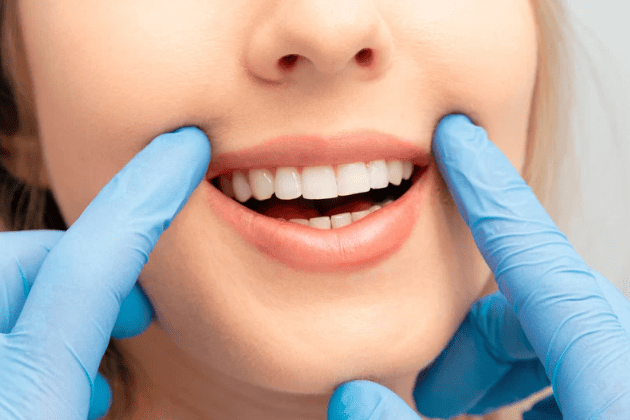
Teeth cleaning, known clinically as scaling, is a preventive treatment in which a registered dentist or dental hygienist uses medical-grade instruments to thoroughly clean the tooth surface, the spaces between teeth, and the gum line (gingival sulcus).
A question we often hear is: “I brush morning and night, and I even use floss — why do I still need to pay for cleaning?” The answer lies in an ongoing process inside the mouth called biofilm calcification.
The Limits of Home Care
No matter how expensive your electric toothbrush is, or how careful your brushing technique, home care has the following limitations:
| Limitation | Why It Matters |
|---|---|
| Cannot remove calcified tartar | Plaque hardens into tartar within 48–72 hours — tougher than cement |
| Coverage of around 60–70% | Between teeth, along the gum line, and behind the back teeth remain blind spots |
| Cannot assess gum health | Periodontal pocket depth and bleeding indices need professional instruments |
| Cannot detect hidden problems | Interproximal cavities and cracks in fillings require a dentist’s diagnosis |
For these reasons, teeth cleaning is more than just cleaning — it is a precision oral health assessment and maintenance procedure.
👉 Learn more about our teeth cleaning service

How Plaque and Tartar Form
To understand why teeth cleaning matters, it helps to recognise the bacterial ecosystem that develops in the mouth every day.
Stage 1: Dental Plaque
Plaque is a sticky, colourless film of bacteria that begins forming on the tooth surface within minutes of eating.
- Composition: bacteria + salivary proteins + food debris
- Speed of formation: begins immediately after eating, reaches a phase of high bacterial activity within 4–8 hours
- The risk: bacteria break down sugars and release acids that erode enamel, leading to cavities
- At home: consistent brushing removes most plaque
Stage 2: Tartar (Calculus)
If plaque isn’t removed within 48 to 72 hours, calcium salts in saliva precipitate onto it, gradually calcifying it into tartar.
- Texture: hard as cement, tightly adhered to the tooth surface
- Colour: initially yellowish-white; over time, food pigments turn it brown or black
- The key point: once formed, no home-care tool can remove it
- Where it accumulates: along the gum line, between teeth, and behind the back teeth
Stage 3: The Cycle Becomes Self-Reinforcing
Once tartar has formed, the following chain reaction begins:
Rough tartar surface → attracts more bacteria
↓
Bacteria continuously release toxins → irritate gum tissue
↓
Gum inflammation (gingivitis) → redness, swelling, bleeding
↓
If untreated, inflammation spreads downward → periodontitis
↓
Alveolar bone begins to be lost → irreversible
↓
Tooth mobility, drifting, and eventually tooth loss
⚠️ A note from the clinical team: Early-stage periodontal disease is typically painless. Many patients only seek treatment once their teeth feel loose — by which point significant bone loss has already occurred, often requiring periodontal surgery or dental implant treatment.
👉 Further reading: Causes, symptoms, and treatment of periodontal disease

The Four Major Health Benefits of Regular Cleaning
The value of regular cleaning extends well beyond clean-feeling teeth. From a clinical and preventive-medicine perspective, it is one of the most cost-effective treatments in dentistry.
Benefit 1: Preventing Periodontal Disease and Tooth Loss
Periodontal disease is the leading cause of tooth loss in adults — accounting for more lost teeth than complications from heart disease and diabetes combined.
Regular cleaning helps to:
- Thoroughly remove tartar and the pathogenic bacteria it harbours
- Halt gum recession and alveolar bone loss
- Preserve your natural teeth into later life, maintaining good chewing function
Benefit 2: Links to Whole-Body Health
Research in recent years has shown that oral bacteria are closely linked to several systemic conditions:
| System | What the Research Shows |
|---|---|
| Cardiovascular | Patients with periodontal disease have 2–3× higher cardiovascular risk |
| Diabetes | A two-way relationship: periodontal disease makes blood sugar harder to control; poor blood sugar worsens periodontal disease |
| Pregnancy | Research has associated periodontal disease with preterm birth and low birth weight |
| Respiratory | Oral bacteria can be inhaled into the lungs, contributing to pneumonia — particularly in older adults |
| Alzheimer’s disease | Some studies have detected periodontal pathogens in brain tissue |
Regular cleaning protects more than your mouth — it’s an investment in your whole-body health.
Benefit 3: Resolving Persistent Bad Breath
If bad breath lingers despite daily mouthwash use, the most common cause is bacteria within tartar producing volatile sulphur compounds. If it lingers after a professional clean, read why bad breath won’t go away.
- The porous structure of tartar traps food debris
- Anaerobic bacteria in oxygen-poor environments produce sulphur compounds (similar to the smell of rotten eggs)
- This odour cannot be masked by brushing or mouthwash
- Only professional cleaning can address the source
Benefit 4: Detecting Hidden Oral Problems Early
The cleaning appointment is also a comprehensive oral health check:
- Early cavities: interproximal and root cavities become identifiable only once tartar is cleared away
- Condition of fillings: small cracks or marginal leakage can be detected
- Oral mucosa: white patches, red patches, ulcers — potential early signs of precancerous changes
- Bite issues: grinding marks and abnormal wear
Early diagnosis = early treatment = lower cost + better outcomes.
A Cost Comparison Worth Considering
| Treatment | Cost Range (HKD, indicative) | Number of Visits |
|---|---|---|
| Regular cleaning | Several hundred to over a thousand | 1 visit (45 minutes) |
| Root canal + crown | Several thousand to over ten thousand | 3–5 visits |
| Periodontal surgery | High | Multiple visits |
| Dental implant | Significant | 6–12 month treatment course |
The cost of regular cleaning is typically less than 5–10% of the cost of the treatments that may follow if it is neglected.

The Standard Cleaning Procedure: Four Key Steps
At a professional dental clinic, cleaning is not simply a rinse — it is a standardised and precise medical procedure.
Step 1: Comprehensive Oral Assessment (10–15 minutes)
- Periodontal pocket measurement: using a periodontal probe to check pocket depth at six points around each tooth
- Bleeding index: assessing the degree of gum inflammation
- Tooth examination: identifying early cavities and damaged fillings
- Mucosal examination: screening for potential lesions
- X-rays where needed: to assess bone loss or hidden cavities
- A personalised plan: the cleaning approach is tailored to the findings
Step 2: Ultrasonic Scaling (20–30 minutes)
This is the main phase of the cleaning:
- The tip of the ultrasonic scaler vibrates at 25,000–40,000 times per second
- The physical energy easily breaks up and dislodges large pieces of tartar
- A continuous water spray cools the instrument and uses cavitation to wash away deep-lying bacteria
- The patient typically feels only mild vibration, and the process is generally painless
Step 3: Precision Hand Scaling (10–15 minutes)
Ultrasonic instruments are powerful, but certain blind spots still call for the dentist’s tactile precision:
- Interproximal surfaces (between two teeth)
- Small calculus deposits below the gum line
- The last remaining residue on the root surface
Using a set of finely angled hand scalers, the dentist removes residual deposits piece by piece, polishing the root surface until smooth — the smoother the root, the harder it is for bacteria to attach again.
Step 4: Polishing (5–10 minutes)
The final step is to polish the tooth surface:
- A small rotating rubber cup carries a specialised polishing paste
- Surface stains (coffee, tea, red wine, tobacco) are gently removed
- The tooth’s original cleanness and shine are restored
- The polished surface slows the rate at which plaque and tartar will form in the future
The entire procedure typically takes 45 to 60 minutes.
Considering a Professional Cleaning?
Regular cleaning is one of the most cost-effective investments you can make in protecting your smile. Whatever time has passed since your last cleaning, now is a good moment to book a check-up.
👉 Book your professional oral examination and cleaning today

Does Teeth Cleaning Hurt? A Detailed Look at What You’ll Feel
This is one of the most common questions we hear. The answer depends on the state of your gums:
| Patient Profile | What the Process Feels Like |
|---|---|
| Healthy gums, regular cleanings | Generally painless, only a vibrating sensation |
| Mild gingivitis | Slight tenderness, some bleeding |
| Moderate gingivitis | Tenderness in certain areas, noticeable bleeding |
| Severe periodontitis | More pronounced tenderness — local anaesthesia is an option |
| Sensitive tooth roots | Slight sensitivity when rinsed with cold water |
Why does it feel less comfortable the longer you wait between cleanings?
Thicker tartar = longer-irritated gums = more inflammation = greater sensitivity during cleaning.
This becomes a self-reinforcing cycle. For patients who attend regularly, each cleaning tends to feel more comfortable than the last — because the gums remain in a healthier state.
Ways to Make the Cleaning More Comfortable
- Communicate with your dentist: simply raise your hand if you feel discomfort
- Local anaesthesia: topical gel or local injection can be used in more involved cases
- Adjusting ultrasonic frequency: the device can be set to a gentler frequency
- Desensitising mouthwash: before and after cleaning
- Splitting the appointment: heavy tartar build-up may be addressed across two visits
For patients who experience significant dental anxiety, Smith & Jain Dentists offers options such as nitrous oxide sedation.
👉 Learn more: Sedation dentistry
Aftercare: Keeping the Effect of Cleaning for Longer
In the 24 to 48 hours after cleaning, the gums are in a recovery phase, and teeth may be slightly more sensitive to hot and cold. Good home care during this window helps the results last longer.
Day of Treatment (0–24 hours)
- ✅ Avoid extremely hot or cold foods
- ✅ Avoid spicy or highly acidic foods (which may irritate sensitive areas)
- ✅ Avoid coffee, strong tea, and red wine within 24 hours (polished teeth absorb pigments more readily)
- ✅ Avoid smoking (it impairs gum healing)
- ✅ Warm salt water rinses can soothe gum discomfort
Days 1–3 After Treatment
- ✅ Use a desensitising toothpaste to ease any short-term tenderness if needed
- ✅ Continue brushing twice daily, including areas with mild bleeding
- ✅ Floss daily: with the spaces between teeth now clear, this is the ideal moment to build the habit
- ⚠️ If sensitivity persists beyond three days or worsens, contact your dentist
Ongoing Maintenance
- ✅ Brush twice daily, for at least two minutes each time
- ✅ Floss once daily
- ✅ Use interdental brushes for wider gaps where appropriate
- ✅ A water flosser is a useful adjunct
- ✅ Schedule your next cleaning — usually around six months later
Monitoring Your Gums
| Symptom | What to Do |
|---|---|
| Mild bleeding (1–2 days) | Normal — continue gentle cleaning |
| Bleeding lasting more than 3 days | Contact your dentist |
| Mild tooth sensitivity | Desensitising toothpaste + observation |
| Severe pain | Contact the clinic immediately |
| Worsening gum swelling | Contact the clinic immediately |
Cleaning Frequency: Which Category Do You Fall Into?
Recommended cleaning frequency varies significantly depending on individual circumstances.
General Guideline: Every 6 Months
Suitable for those with:
- Healthy, non-inflamed gums
- No history of periodontal disease
- Good daily oral hygiene habits
- No chronic medical conditions
Higher-Frequency Guideline: Every 3–4 Months
Suitable for any of the following groups:
A. Smokers
- Chemicals in tobacco accelerate the calcification of plaque
- Reduced gum blood flow increases periodontal risk by 3–7×
- Tartar and pigment accumulation is faster
B. People with Diabetes
- Poorly controlled blood sugar directly affects periodontal health (two-way relationship)
- Weakened immune response increases infection risk
- International periodontal guidelines recommend professional maintenance every three months
C. Pregnant Women
- Hormonal changes during pregnancy cause pregnancy gingivitis
- Periodontal disease has been associated in research with preterm birth and low birth weight
- The second trimester is the most suitable window for treatment
D. Those Undergoing Orthodontic Treatment
- Orthodontic appliances make cleaning more difficult
- Plaque accumulates more easily
- More frequent professional cleaning is needed during treatment
E. Patients with a History of Periodontal Disease
- Close maintenance is needed after periodontal treatment
- A periodontal maintenance programme every 3–4 months
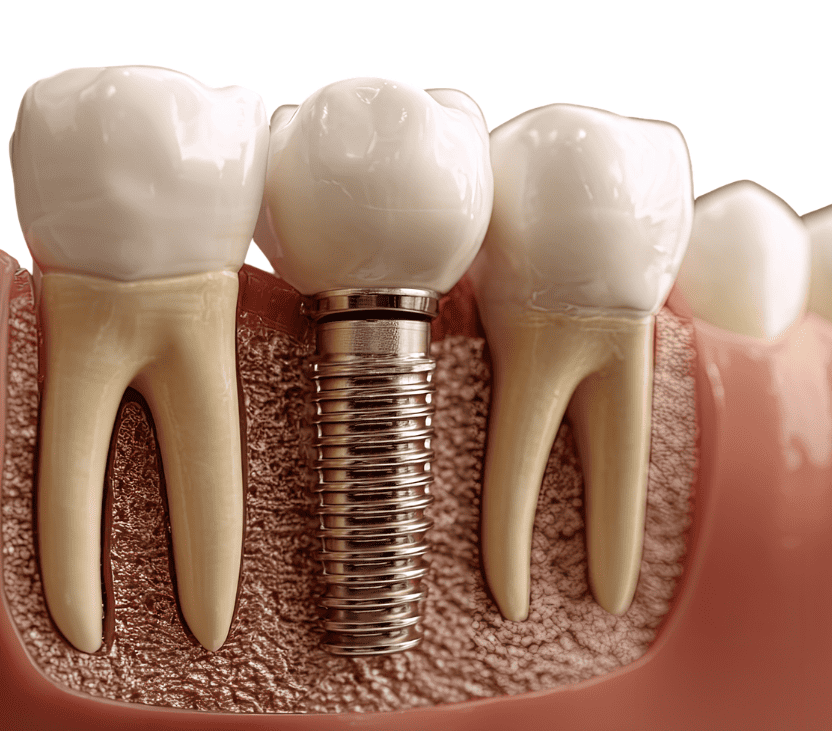
F. Patients with Dentures, Implants, or Bridges
- Specialised cleaning is required around prosthetic work
- Helps prevent peri-implantitis
G. Immunocompromised Patients
- Chronic illness, chemotherapy, organ transplantation, etc.
- Higher risk of oral infection
👉 Learn more: Gum disease treatment
Factors Affecting the Cost of Teeth Cleaning
We will provide a transparent treatment plan and quotation during your consultation. The main factors that affect cleaning costs include:
1. Amount of tartar accumulation
- Regular cleaning patients: standard cleaning
- Patients who haven’t had a cleaning in many years: may require multiple visits or deep cleaning
2. Whether deep periodontal cleaning is needed
- Standard cleaning (supragingival): cleans above the gum line
- Deep periodontal cleaning (subgingival): cleans tartar within periodontal pockets
- The latter takes more time and incurs a higher fee
3. Whether local anaesthesia is required
- May be needed for sensitive patients or deep cleaning
4. Whether X-rays are needed
- Panoramic radiograph vs individual periapical X-rays
5. Additional services
- Fluoride application
- Interdental brush instruction
- Personalised oral care guidance
Hong Kong Dental Treatment Fee Reference
We maintain a transparent Hong Kong Dental Treatment Fee Reference page that lists market reference ranges based on the Prince Philip Dental Hospital (PPDH) fee schedule.
⚠️ Important: Actual fees depend on clinical assessment. We encourage patients to attend an initial examination and consultation so that an accurate, individualised quotation can be provided.
👉 Book a consultation and quotation
How to Choose a Reliable Dental Clinic for Cleaning
When choosing a dental clinic for teeth cleaning, five professional indicators are worth considering:
1. Credentials of the dentist and hygienist
- Performed by a registered dentist or registered dental hygienist with the Dental Council of Hong Kong (DCHK)
- Confirm their qualifications and professional background
2. Infection control and hygiene standards
- Strict instrument sterilisation protocols
- Autoclave sterilisation or single-use consumables
- Regular treatment-room disinfection
- Transparent hygiene practices
3. Equipment standards
- Modern ultrasonic scalers (lower noise, less discomfort)
- Digital X-ray (radiation dose around 90% lower than traditional X-ray)
- Periodontal probes available where needed
4. Patient feedback and reputation
- Google reviews, genuine patient testimonials
- Long-running, stable practices tend to be more dependable
- The presence of an international team of clinicians
5. Ongoing care planning
- Individualised cleaning-frequency recommendations
- A recall system (regular reminders for follow-up visits)
- Comprehensive oral health management, rather than one-off treatment
Frequently Asked Questions
Does teeth cleaning make the spaces between teeth bigger?
No. This is the most common misconception. Patients perceive that the spaces have grown for two reasons:
1. The tartar that was filling the spaces between teeth has been removed, revealing the actual tooth structure beneath.
2. Inflamed, swollen gums have returned to their normal, healthier position.
This is what your teeth were supposed to look like all along. Not cleaning is what causes real damage — persistent tartar pressure on the gums leads to recession, which eventually widens the spaces in a way that cannot be reversed.
Does cleaning hurt? Will my gums bleed?
It depends on the state of your gums:
Healthy gums: generally painless, only a vibrating sensation
Inflamed gums: may experience mild tenderness and slight bleeding
These are normal responses and typically resolve within a few days
For more involved cases, local anaesthesia is an option
How often should I have my teeth cleaned?
General population: every 6 months
Smokers, people with diabetes, pregnant women, those undergoing orthodontic treatment: every 3–4 months
History of periodontal disease: every 3 months
For more detail, see the cleaning frequency section above.
Does cleaning whiten my teeth?
It offers limited whitening:
✅ Removes surface stains (coffee, tea, tobacco)
✅ Restores the tooth’s natural shade
❌ Does not change the inherent shade of the tooth (it will not make your teeth whiter than their natural colour)
For meaningful whitening, a professional whitening treatment is needed.
Can I have my teeth cleaned while pregnant?
Yes — and it is strongly recommended.
-Pregnancy gingivitis is common (60–70% of pregnant women experience it to some degree)
-The second trimester (weeks 13–27) is the most suitable treatment window
-X-rays may be performed when necessary, with lead-apron protection
-Lidocaine local anaesthetic is FDA Category B (considered safe in pregnancy)
Periodontal disease in pregnancy has been associated in research with preterm birth and low birth weight, so please do not delay treatment due to uncertainty.
Do children need teeth cleaning?
Yes. Our general guidance:
-First dental check-up from age 3
-Professional cleaning at least once a year from ages 5–6
-Particular attention during the mixing-dentition years (6–12)
-Ideally performed by a paediatric dentist
👉 Learn more: Children’s dentistry
Can I eat immediately after cleaning?
Yes, but we suggest:
-Waiting at least 30 minutes to allow the gums to begin recovering
-Avoiding extremely hot, cold, or spicy foods
-Avoiding coffee, strong tea, and red wine within 24 hours
-Choosing softer, gentler foods initially
My teeth feel looser after cleaning — is this normal?
If you had significant tartar build-up beforehand:
The tartar had been holding together already-loose teeth
After cleaning, the actual condition of the teeth becomes apparent
This indicates that periodontal disease and bone loss were already present
Further periodontal treatment is needed — the cleaning has not caused the problem, it has uncovered it
Please discuss the next steps with your dentist promptly.
Can a home ultrasonic cleaner replace professional cleaning?
No. Reasons include:
Home use lacks professional assessment (periodontal pocket depth, hidden lesions)
Incorrect angle of use can injure gums or enamel
Home tools cannot reach the inner surfaces of back teeth or deep periodontal pockets
Home device frequency and power differ from professional equipment
Improper use may damage root surfaces
A home device can be used as a supplementary tool, but it cannot replace professional cleaning.
Reference
- 美國牙周病學會(American Academy of Periodontology, AAP)— Periodontal Maintenance Guidelines https://www.perio.org/
- American Dental Association (ADA) — Dental Cleaning & Scaling https://www.ada.org/resources/ada-library/oral-health-topics/scaling-and-root-planing
- 衞生署口腔健康教育事務科 https://www.toothclub.gov.hk/
- World Workshop on the Classification of Periodontal and Peri-Implant Diseases (2017) https://www.perio.org/research-science/2017-classification-of-periodontal-and-peri-implant-diseases-and-conditions/