What Is Gum Swelling?
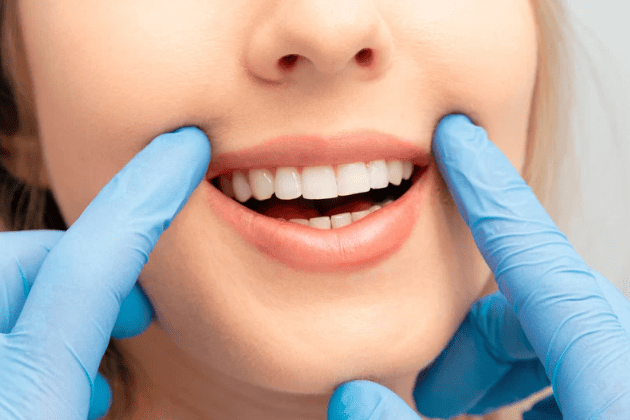
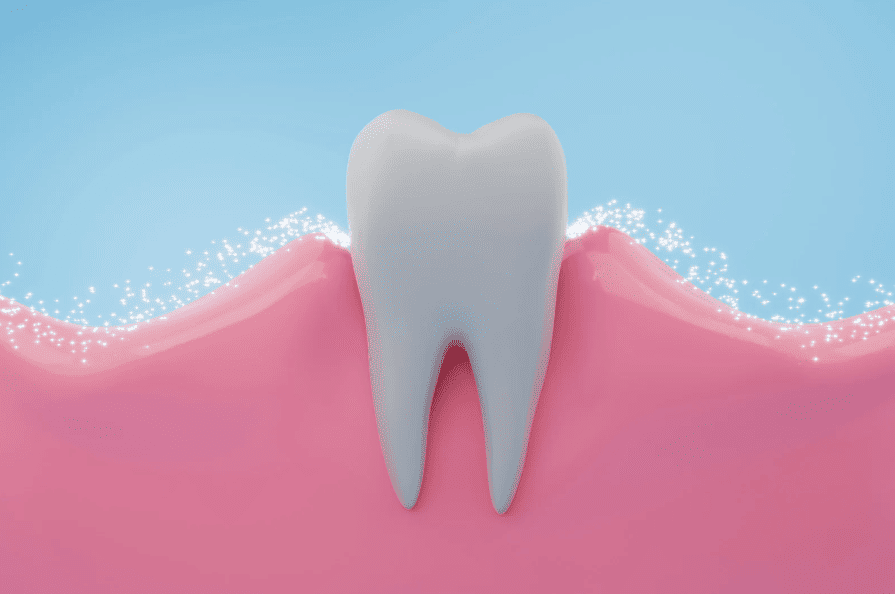
Swollen gums (gingival swelling) refer to gum tissue that has become red, inflamed, tender, and prone to bleeding due to inflammation, infection, or trauma. They are one of the most common oral health problems in Hong Kong — according to Department of Health data, over 70% of adults experience some degree of gum inflammation in their lifetime.
Swollen gums don’t just affect daily eating and oral hygiene — they can also be an early warning sign of gum disease, root infection, or systemic conditions such as diabetes. Identifying the cause early and managing it appropriately can prevent progression to loose teeth, tooth loss, and even systemic infection.
Swollen Gums vs Gum Inflammation: A Quick Comparison
Many people conflate the two, but while related, they are not identical:
| Comparison | Gingivitis (Gum Inflammation) | Gum Swelling |
|---|---|---|
| Definition | Inflammation of the surface gum tissue | Visible swelling and pain of the gums |
| Common symptoms | Redness, bleeding when brushing | Redness, swelling, pain, sometimes pus |
| Severity | Early stage, reversible | Mild to severe; may involve deep infection |
| Common causes | Plaque buildup | Periodontitis, decay infection, wisdom teeth |
| When to see a dentist | Within 3–6 months for a check | Within 24 hours if persisting over 3 days |
In short: gingivitis is the early stage of swollen gums. Left untreated, it can progress to periodontitis and eventually loose teeth.
The 5 Most Common Causes of Swollen Gums
Cause 1: Periodontal Disease (Periodontitis)
Periodontitis is the most common cause of swollen gums. When dental plaque accumulates along the gumline, it hardens into tartar (calculus), which irritates the gums and triggers inflammation.
Typical symptoms:
- Red, swollen gums that bleed when brushing
- Persistent bad breath
- Receding gums; teeth appearing longer
- In later stages: loose teeth and changes in bite
Treatment: Requires deep cleaning (scaling and root planing) and periodontal therapy by a dentist. Mild cases can usually be controlled with professional cleaning every 6 months; moderate to severe cases require care from a periodontist.
👉 [Learn More: Gum Disease Treatment Services]
👉 [Deep Dive: Gum Disease Symptoms, Causes and Treatment Costs]
Cause 2: Root Infection from Tooth Decay
When tooth decay reaches the dental pulp, bacteria can spread through the root and infect surrounding tissues, forming an apical abscess. The accumulating pus causes obvious swelling and sharp pain in the adjacent gum.
Typical symptoms:
- Swelling on the gum near the affected tooth, sometimes with a visible drainage point (fistula)
- Sharp pain when eating hot foods or biting
- In severe cases, facial swelling
- Possibly accompanied by low-grade fever and lymph node swelling
Treatment: Usually requires root canal treatment to remove the infection, followed by a crown for protection. If the tooth cannot be saved, extraction may be necessary.
👉 [Learn More: Root Canal Treatment Services]
👉 [Ultimate Guide: Root Canal Process, Pain Management, and Aftercare]
Cause 3: Wisdom Tooth Pericoronitis
Wisdom teeth typically erupt between ages 18 and 25. Because Hong Kong people tend to have smaller jaws, around 60% of wisdom teeth become impacted, partially covered by gum tissue — creating a perfect environment for bacteria to thrive.
Typical symptoms:
- Pain and swelling at the very back of the jaw
- Difficulty opening the mouth (trismus / lockjaw)
- Pain when swallowing
- Bitter taste and severe bad breath
- Sometimes swollen lymph nodes in the neck
Treatment: During acute flare-ups, antibiotics and anti-inflammatory medication are used first. Once inflammation subsides, your dentist will evaluate whether wisdom tooth extraction is needed. Recurrent flare-ups are best treated by removing the tooth early.
👉 [Learn More: Wisdom Tooth Extraction Services]
👉 [Before Surgery: Recovery Time and Potential Risks Explained]
👉 [Pain Management: How Long Does Wisdom Tooth Pain Last?]
Cause 4: Food Impaction and Gum Trauma
Food debris (especially fibrous foods like meat strands and vegetable stems) lodged in tooth gaps for over 24 hours irritates the gums and causes localised inflammation. Other mechanical causes include:
- Brushing too hard or with overly stiff bristles
- Improper use of toothpicks
- Chewing hard objects (crab shells, bones, nuts)
- Ill-fitting dentures or crown margins
Treatment: Proper use of dental floss and interdental brushes usually resolves mild cases within 1–2 days. If swelling persists, infection may have set in.
👉 [Extended Reading: How to Properly Use Interdental Brushes]
Cause 5: Weakened Immunity and Systemic Factors
When the body’s immune system is compromised, oral bacteria balance shifts and gum inflammation can flare. Common triggers include:
- Diabetes: Poor blood sugar control directly affects gum health (a bidirectional relationship)
- Pregnancy: Hormonal changes can trigger “pregnancy gingivitis”
- Chronic stress or sleep deprivation
- Smoking (increases periodontal disease risk 3–7 times)
- Certain medications: blood pressure drugs, immunosuppressants, chemotherapy
- Severe vitamin C or B deficiency
Treatment: In addition to oral care, the underlying health condition must be managed. Diabetic patients are advised to undergo periodontal maintenance every 3 months.
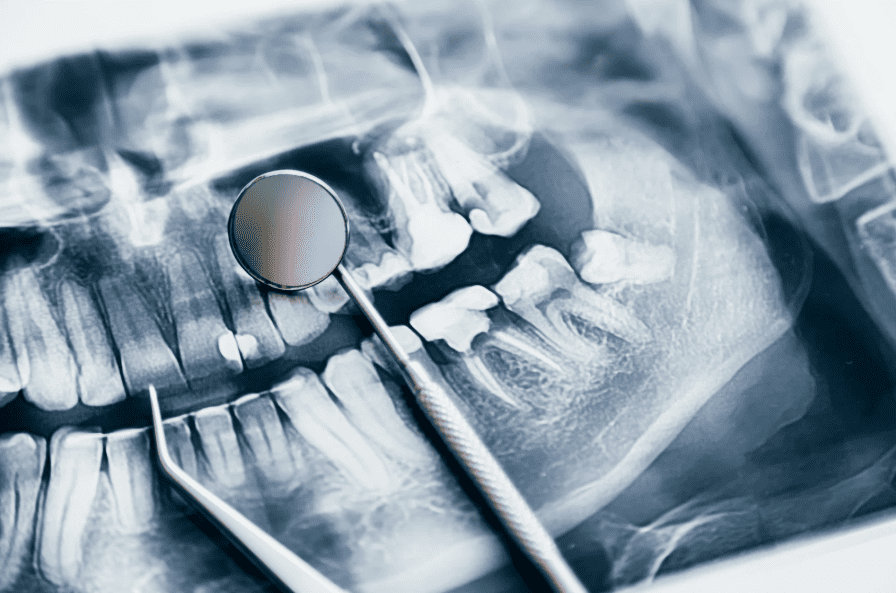
How to Treat Swollen Gums at Home: 6 Immediate Relief Methods
⚠️ Note: The following are only suitable for mild, short-term swollen gums. If you experience any red flag warning sign, see a dentist immediately — do not attempt self-treatment.
Method 1: Warm Saltwater Rinse (the most effective home remedy)
- Half a teaspoon of salt dissolved in 250 ml of warm water (around 40°C — never hot)
- Swish for 30 seconds, then spit out
- 2–3 times daily, especially after meals and before bed
- Usually shows results within 3–5 days
How it works: The osmotic pressure of salt water helps reduce tissue swelling and has a mild antibacterial effect. This method is supported by multiple clinical studies.
Method 2: Cold Compress on the Outside of the Face
- Wrap an ice pack in a cloth
- Apply to the corresponding swollen area for 15 minutes
- Can be repeated hourly
Important: Never apply ice directly inside the mouth — this causes rebound blood vessel constriction and can worsen inflammation.
Method 3: Brush Gently but Thoroughly
- Use a soft-bristled toothbrush; avoid high-intensity electric brush modes
- Brush for at least 2 minutes, covering all tooth surfaces
- Clean the swollen area gently as well — stopping cleaning will allow bacteria to multiply
Method 4: Use Floss and Interdental Brushes
- Floss daily to clear food debris between teeth
- Choose an interdental brush size that fits comfortably
- Use gentle motions — avoid aggressive “sawing”
Method 5: Avoid Irritating Foods
Short-term avoidance of:
- Very hot or very cold foods
- Spicy or acidic foods
- Hard or coarse-fibre foods (chewing gum, nuts, vegetable stems)
- Alcohol and tobacco
Method 6: Get Enough Rest and Stay Hydrated
- Aim for 7–8 hours of sleep nightly to support immune recovery
- Drink 1.5–2 litres of water daily
- Add foods rich in vitamin C (oranges, kiwi, bell peppers)
What Medication Should I Take for Swollen Gums?
⚠️ Important: The information below is for general guidance only. Always consult a pharmacist or doctor before taking medication, especially if you are pregnant, breastfeeding, elderly, have chronic conditions, or are taking other medications.
Paracetamol (Panadol / Acetaminophen)
- Action: Pain relief and fever reduction
- Typical dose: 500–1000 mg every 4–6 hours, maximum 4000 mg per day for adults
- Best for: Mild to moderate pain; those with sensitive stomachs
- Limitation: No anti-inflammatory effect; use cautiously if you have liver problems
NSAIDs (Non-Steroidal Anti-Inflammatory Drugs)
Most common: Ibuprofen 200–400 mg every 6–8 hours
- Action: Reduces both pain and inflammation
- Best for: Cases with visible swelling
- Cautions:
- Take with food to reduce stomach irritation
- Avoid if you have stomach ulcers, kidney disease, or are pregnant (especially in the third trimester)
- Some asthma patients may experience flare-ups
- Consult your doctor if you take blood thinners (warfarin, aspirin, etc.)
Antibiotics (Prescription Only)
Your dentist may prescribe antibiotics (such as amoxicillin or metronidazole) if you have:
- Visible pus
- Fever
- Significant facial swelling
- A weakened immune system
⚠️ Never self-prescribe antibiotics or use leftover medication from a previous course. Antibiotic misuse leads to resistance and may delay proper treatment.
📖 Further Reading: Department of Health HK — Safe use of NSAIDs and Paracetamol
Professional Treatment Options
When home care isn’t enough or the infection has worsened, your dentist may recommend one of the following treatments based on the cause:
Scaling (Deep Cleaning)
- For: Gum inflammation caused by plaque and tartar buildup
- Procedure: Ultrasonic instruments combined with hand tools remove tartar
- Duration: 30–60 minutes
- Discomfort: Mild; local anaesthesia available for sensitive patients
- Recommended frequency: Every 6 months for healthy individuals, every 3–4 months for periodontal patients
👉 [Teeth Cleaning: Process, Benefits, and Myths]
Root Planing
- For: Moderate to severe periodontitis with established gum pockets
- Procedure: Removes deep tartar and necrotic tissue from root surfaces
- Usually performed in quadrants under local anaesthesia
- Often paired with home periodontal care products
Root Canal Treatment
- For: Gum abscess caused by root tip infection
- Procedure: Remove infected pulp → clean and disinfect the canals → seal
- Typically 2–3 visits
- A crown is recommended afterwards for protection
👉 [Learn More: Root Canal Treatment Services]
Tooth Extraction
The last resort when a tooth cannot be saved:
- Severe periodontitis with loose teeth
- Recurrent wisdom tooth flare-ups
- Decay too deep to restore
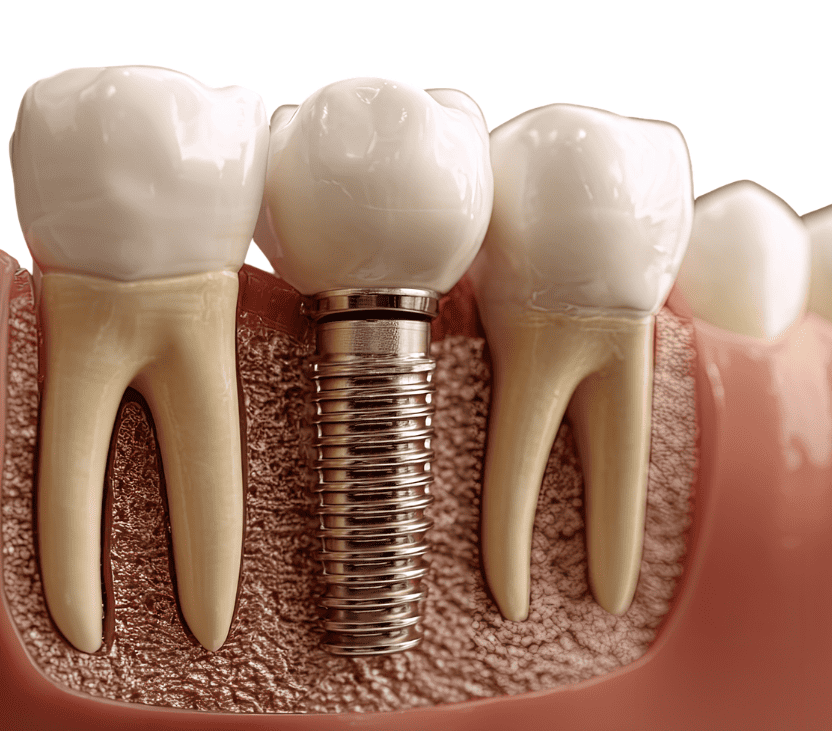
After extraction, dental implants, bridges, or dentures can restore function.
👉 [Dental Implants] | [Bridges] | [Dentures]
Periodontal Surgery
For advanced periodontitis, performed by a periodontist:
- Flap surgery
- Bone grafting
- Soft tissue grafting

When You Must See a Dentist: 8 Red Flag Warning Signs
Book a dentist within 24–48 hours if any of the following occur — do not continue self-treatment:
- ✅ Swollen gums persisting for 3–5 days or more with no improvement
- ✅ Swelling spreading to your face, neck, or jaw
- ✅ Fever (body temperature above 38°C)
- ✅ Visible pus discharge or abscess
- ✅ Difficulty swallowing or opening your mouth
- ✅ Persistent bleeding that doesn’t stop with pressure
- ✅ Visibly loose teeth or shifting bite
- ✅ Accompanying headache, neck stiffness, or breathing difficulty (possible spreading infection)
🚨 Emergency: If swelling affects your breathing, swallowing, or vision, go to the A&E immediately. Smith & Jain Dentists offers same-day emergency dental care for swollen gums and acute dental pain.
[Emergency Call: (852) 2526 2383]
Special Situations
Swollen Gums from Wisdom Teeth
Wisdom tooth pericoronitis is extremely common in Hong Kong, with peak occurrence between ages 18 and 30.
Home care:
- Warm saltwater rinses every 2–3 hours
- Gently clean around the wisdom tooth with an interdental brush
- Avoid chewing on the affected side
When to see a dentist:
- After the acute episode resolves, have the tooth evaluated for extraction to prevent recurrence
- If you experience difficulty opening, painful swallowing, or pus — get treatment promptly
👉 [Learn More: Wisdom Tooth Extraction Services]
Swollen Gums During Pregnancy
“Pregnancy gingivitis” is extremely common, affecting 60–70% of pregnant women, especially in the second and third trimesters.
Special precautions:
- ❌ Avoid NSAIDs like ibuprofen, especially in the third trimester
- ✅ Paracetamol is the safer choice
- ✅ Prioritise local care (saltwater rinses, gentle cleaning)
- ✅ Routine dental checks can be done during pregnancy — the second trimester is ideal
- ⚠️ Inform your dentist of your pregnancy if X-rays are needed; a lead apron will be used
Important: Pregnancy gum disease has been linked in research to preterm birth and low birth weight — don’t delay treatment out of fear.
Swollen Gums in Children
Common causes in children:
- Loose primary teeth during the shedding phase
- Food impaction
- Tooth decay infection
- Oral thrush (candida infection)
Parents should note:
- Never give children adult doses of pain medication
- NSAIDs in children must be dosed by body weight
- Take your child to a dentist immediately if there is an abscess or fever
- Children under 5 are best treated by a paediatric dentist (pedodontist)
👉 [Explore Our Children’s Dental Service]
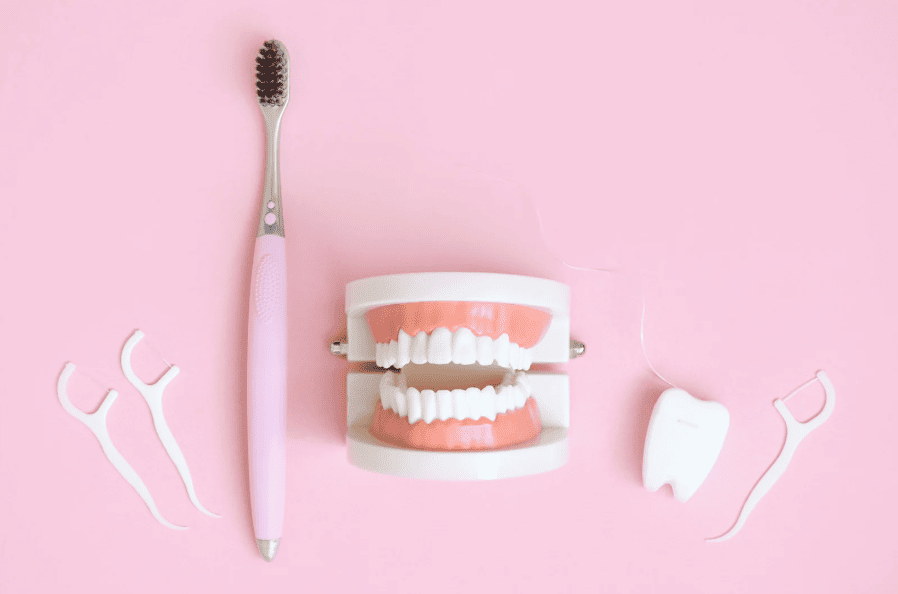
How to Prevent Swollen Gums: 9 Practical Tips
- Brush twice daily, at least 2 minutes each time, with a soft-bristled brush
- Floss once daily to remove debris between teeth
- Have a professional cleaning every 6 months to remove tartar you can’t brush off
- Eat a balanced diet with adequate vitamins C, D, and calcium
- Cut back on sugar, especially sticky sweets
- Quit smoking — the single most effective measure for preventing gum disease
- Manage stress and get 7–8 hours of sleep nightly
- Control chronic illness, particularly diabetes
- Use the right cleaning tools — interdental brushes, water flossers
Frequently Asked Questions
How long does it take for swollen gums to heal on their own?
Mild swelling caused by food impaction or mechanical irritation usually resolves within 1–3 days. However, swelling caused by periodontitis, decay infection, or wisdom teeth will not heal on its own and requires dental treatment. If swelling persists over 5 days, see a dentist.
Can I eat spicy food when my gums are swollen?
Not recommended. Spicy foods irritate already-inflamed gum tissue and worsen the pain. Stick to mild, easy-to-chew, nutritionally balanced foods during this time.
My gums are swollen but not painful — do I still need to see a dentist?
Yes. No pain doesn’t mean no problem — early-stage chronic periodontitis can be completely painless while the underlying damage continues. A check-up is essential to identify the cause.
Will mouthwash cure swollen gums?
Medicated mouthwash containing chlorhexidine (0.12%) can help control infection short-term (don’t use longer than 2 weeks — it can stain teeth). However, mouthwash cannot remove established tartar and is not a replacement for brushing and flossing.
Should I keep brushing if my gums are swollen?
Yes — absolutely. Stopping brushing allows bacteria to multiply, worsening the inflammation. Use a soft brush and gentle technique; even if there’s slight bleeding, keep brushing.
Can I pop a gum abscess myself?
⚠️ Absolutely not. Lancing an abscess yourself risks spreading the infection into the bloodstream (cellulitis or sepsis) and can cause severe bleeding. It must be done by a dentist.
Do swollen gums require an X-ray?
Your dentist will decide based on clinical findings. If a root abscess, impacted wisdom tooth, bone loss, or hidden decay is suspected, X-rays are essential for diagnosis. Modern digital X-rays use extremely low radiation doses — about the same as one hour of natural background radiation from a flight.
Can dental cleaning cause swollen gums?
Mild sensitivity and gum tenderness for 1–2 days after cleaning is normal. If swelling persists for more than 3 days or worsens, contact your dentist.
References
- American Dental Association (ADA) — Topic: Nonsurgical Treatment of Chronic Periodontitis Clinical Practice Guideline (2015) — URL: https://www.ada.org/resources/research/science/evidence-based-dental-research/nonsurgical-treatment-of-periodontitis-guideline
- American Dental Association (ADA) — Topic: eriodontitis — URL: https://www.ada.org/resources/ada-library/oral-health-topics/periodontitis
- Drug Office, Department of Health (Hong Kong) — Topic: Tips for Using Medicines Containing Paracetamol — URL: https://www.drugoffice.gov.hk/eps/do/en/consumer/news_informations/knowledge_on_medicines/paracetamol.html
- Drug Office, Department of Health (Hong Kong) — Topic: General Knowledge on Anti-inflammatory and Painkilling Drugs — URL: https://www.drugoffice.gov.hk/eps/do/en/consumer/news_informations/knowledge_on_medicines/anti_inflammation_and_painkilling_drugs.html