
Dental implant aftercare starts with knowing how your symptoms are changing. Some discomfort and swelling can occur in the first few days, but they should gradually settle. Contact your dentist about worsening pain, new swelling, persistent altered sensation or a loose component. Comfortable gums do not mean the implant is ready for normal chewing.
How long can pain last after dental implant surgery?
Soreness can begin as the local anaesthetic wears off. Swelling may be more noticeable over the first two or three days before settling, and bruising can occur. The number of implants, an extraction at the same appointment, bone grafting or a sinus lift can change your recovery.
Use the following as an observation guide, not a deadline for healing. Your own surgical team’s instructions take priority.
| Stage | What you may notice | What matters |
|---|---|---|
| Day of surgery | Numbness, some oozing and soreness | Protect the numb lip and tongue; follow the wound-care instructions |
| First two or three days | Swelling or bruising may become more noticeable | Pain should be manageable with the recommended care; do not wait for a particular day if symptoms are severe |
| Following days to around a week | Discomfort should generally become easier, although tenderness can remain | Contact your dentist if pain worsens, returns after improving or interferes with eating |
| Around one to two weeks and beyond | The gum is healing; stitches and the wound may need review | Gum healing is different from bonding of the implant to bone; ask before increasing chewing pressure |
The useful question is not whether another person recovered sooner. It is whether your symptoms are improving and whether anything new has developed. Note what triggers the pain and whether the recommended pain relief is helping.
When should you contact your dentist the same day?
Contact the treating clinic promptly for advice or assessment if you notice:
- Pain that is worsening, returns after improvement or is not controlled by the recommended medication.
- Increasing swelling, especially with fever, pus or a foul taste, or swelling spreading into the face or neck.
- Persistent significant bleeding despite applying pressure as instructed.
- Numbness of the lip, chin or tongue beyond the period your dentist said to expect, or new altered sensation.
- A loose implant, healing cap or temporary tooth, or a sudden change in the bite.
Difficulty breathing or swallowing, rapidly spreading severe swelling, or heavy bleeding that cannot be controlled requires immediate emergency care. Go to an emergency department or call 999 when needed.
Persistent numbness does not automatically mean permanent damage, but it should not be left for weeks without contacting the team. A loose part may have several explanations. Do not wobble it to test it, tighten it yourself or glue it back into place.
How should you care for the area during the first few days?
Cleaning: protect the wound without neglecting the rest of your mouth
Keep your other teeth clean. Ask your dentist how to clean the surgical area, whether direct brushing should be avoided initially, and when to resume gentle brushing there. The answer depends on the procedure and stitches. Do not stop cleaning your entire mouth for weeks or direct a water flosser at a fresh wound.
Avoid vigorous rinsing, repeated spitting or sucking at the wound on the day of surgery, unless your team gives different instructions. Follow their directions about gentle rinsing from the following day and any recommended mouthwash. Mouthwash does not replace brushing the other teeth.
Food: choose soft meals and respect chewing restrictions
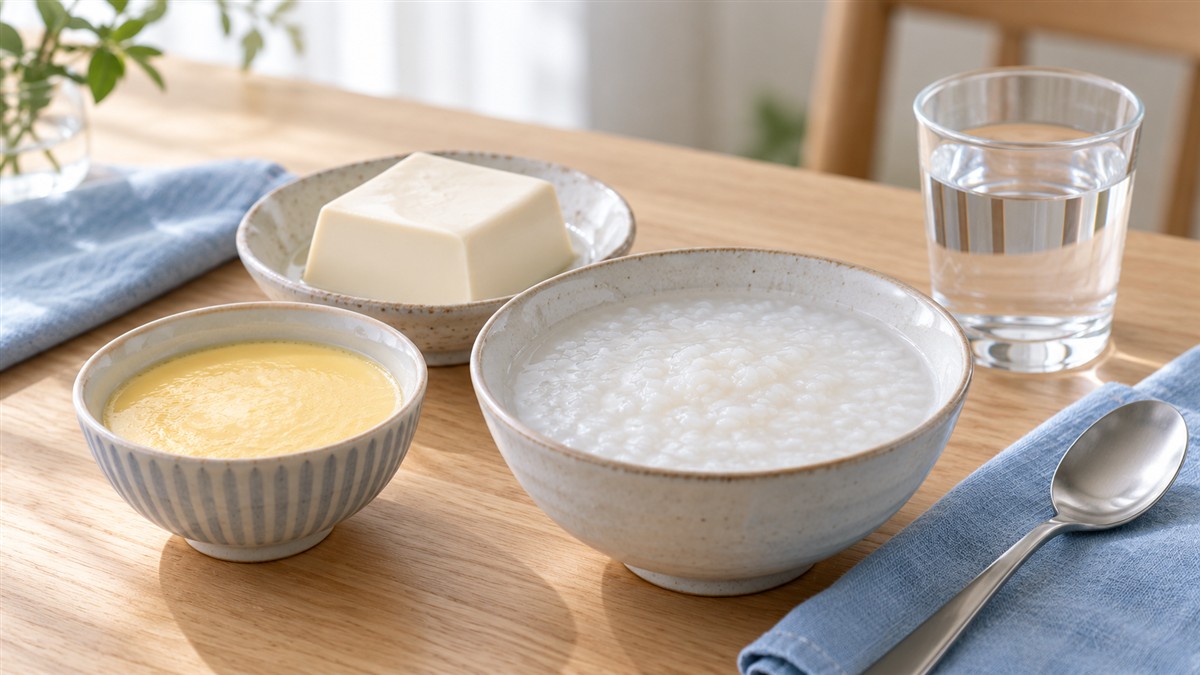
While numb, take care not to bite or burn your lip or tongue. Once you have been told it is safe to eat, choose soft food that is not hot, such as yoghurt, tofu, steamed egg or cooled congee. Avoid pressure on the surgical site as instructed, and avoid hard, crunchy or sticky foods.
A temporary tooth is not an invitation to test how firmly you can bite. Grafts and temporary restorations may need particular restrictions. Your dentist should tell you when to return to firmer food; feeling comfortable is not enough to make that decision. Contact the clinic if you are struggling to drink or eat.
Medication, cold packs and activity
Use medication as directed by your dentist or pharmacist. Do not increase doses, take overlapping products with the same ingredient, or stop your usual prescribed medicines on your own. Antibiotics are not needed for every implant procedure; take them only when prescribed and follow the instructions.
If cold packs are recommended, wrap the pack in a cloth and apply it intermittently to the outside of the cheek as instructed. Do not put ice directly on the skin. Rest initially and ask when to return to strenuous exercise or physical work. Avoid smoking and vaping. Sedation or medicines that make you drowsy have separate driving and work restrictions.
Does the absence of pain mean the implant has healed?
No. Gum healing and the implant bonding to the bone, called osseointegration, are different stages. The gum may settle sooner, while integration usually takes months. Your dentist uses examination and the treatment plan to decide when the implant can be loaded and when a final restoration is appropriate.
Even if a temporary tooth is present, chewing restrictions may still apply. Keep review appointments so that the wound, stitches, cleaning and restoration can be checked. Do not cancel because the area feels comfortable.
For the wider treatment process, see our dental implant guide. Information about assessment is available on the dental implant service page.
What if pain starts months or years later?
New pain after an implant has been settled for some time is different from early surgical recovery. Bleeding gums, swelling, a bad taste or looseness can involve the surrounding tissues, the bite or the restoration; a nearby tooth may also be responsible. An examination is needed, and pain alone cannot diagnose implant failure.
Arrange an assessment rather than treating late symptoms as routine healing. Use the urgent guidance above when warning signs are present. Do not remove or adjust a crown yourself.
What information should you give the clinic?
- The date and location of surgery, and whether you also had an extraction, graft or sinus lift.
- When pain started and whether it is improving, worsening or returning after a better period.
- Any fever, bleeding, numbness, discharge or looseness.
- The medicines you have taken as directed, their effect and any adverse symptoms.
- Whether you can drink, eat, open your mouth and swallow comfortably.
Smith & Jain Dentists in Central has 3D CBCT facilities; imaging is used when clinically indicated rather than automatically for every symptom. Call 2526 2383 or see our contact and appointment information. If another clinic carried out the surgery, contact that treating team first. Previous surgical and implant records can help if you need an assessment elsewhere.
Frequently asked questions
Is pain on the third day after an implant normal?
Some discomfort and swelling can still be present, but the day number cannot establish whether recovery is normal. Severe or worsening pain, pain not controlled by the recommended medication, or symptoms with fever or pus need same-day advice from your dentist.
Should an implant still hurt after a week?
Mild tenderness that is steadily improving may be reviewed at the planned appointment; confirm with your clinic if unsure. Pain that is not improving, is getting worse or interferes with eating should be discussed with the treating team rather than left until a later visit.
When can I brush after dental implant surgery?
Keep the other teeth clean and follow the specific instructions for the surgical area. Protecting a wound does not mean abandoning brushing throughout the mouth. Ask when to resume direct gentle cleaning, and do not use a strong water jet on the wound.
When can I eat normally after an implant?
Start with soft food that is not hot and follow the restrictions on chewing near the implant. Returning to firmer food depends on grafts, temporary teeth and the stage of healing. Do not use the absence of pain as permission to chew normally.
How long should I wait if my lip remains numb?
Local anaesthetic temporarily affects sensation. If numbness lasts beyond the period your dentist told you to expect, or you develop new altered sensation, contact the treating team promptly. Do not wait weeks for it to settle without advice; the cause and follow-up need assessment.
Do I need follow-up if the implant does not hurt?
Yes. Comfort does not establish that the wound, integration or restoration has been assessed. Attend the planned reviews and confirm the cleaning, diet and next treatment stage with your dentist.
This article provides dental health information and does not replace an individual examination, diagnosis or your treating dentist’s postoperative instructions.