
Wisdom teeth are located at the back of the mouth with limited space to grow, and often lead to problems like impaction and gum inflammation. These issues not only cause discomfort but can also threaten overall oral health. To help patients recognize and address wisdom teeth-related concerns early, this article explores the causes, symptoms, and treatment options for impacted and inflamed wisdom teeth, supporting informed decision-making.
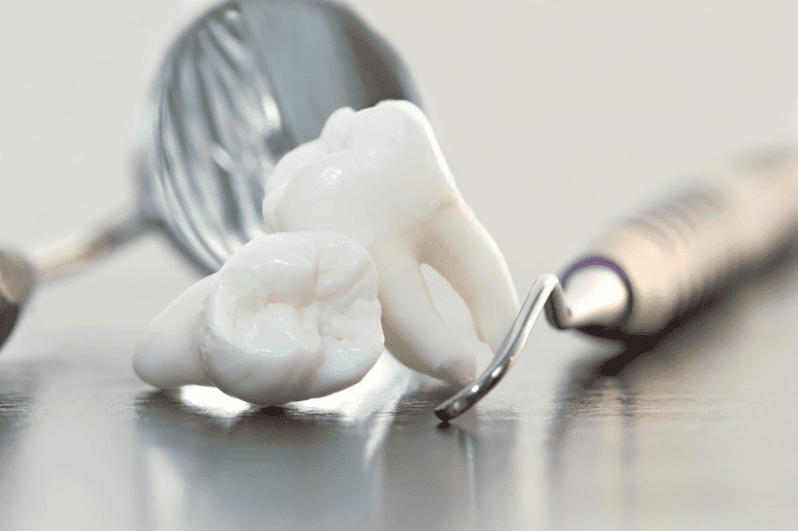
Why Do Wisdom Teeth Become Impacted?
Insufficient Jawbone Space
The primary cause of wisdom teeth impaction is a lack of space in the jawbone. Modern dietary habits and lifestyles have resulted in smaller jaw development compared to our ancestors. When wisdom teeth attempt to erupt, they may shift direction due to insufficient room, leading to horizontal or angled growth—commonly known as “impaction.”
Abnormal Tooth Growth Direction
Beyond spatial limitations, genetic factors can influence wisdom teeth alignment. Some individuals are predisposed to abnormal growth angles, resulting in impaction even when jaw space is adequate.
Impaction Phenomenon
Impacted wisdom teeth are those that fail to fully erupt, remaining partially or fully covered by gum or bone tissue. This can create pressure on surrounding tissues and increase the risk of infection, worsening the issue.
If you would first like to understand the pain and early symptoms of an erupting wisdom tooth, see: How Long Does Wisdom Tooth Pain Last? Early Symptoms & Relief Methods →

Say Goodbye to Wisdom Teeth Troubles Today – We’re Here to Help!
At Smith & Jain Dentists, we’re experts in tackling wisdom teeth inflammation and impaction, offering personalized care from diagnosis to extraction. Our dedicated team in Central, Hong Kong, is here for you.
Why Choose Us?
- ✅ Personalized Solutions – Customized treatment for your wisdom teeth.
- ✅ Advanced Technology – Precise, comfortable procedures.
- ✅ Experienced Professionals – Trust us to ease your pain.
💡 Take the first step to a pain-free smile now!

Symptoms of Impacted Wisdom Teeth
Symptoms of impacted wisdom teeth may include:
- Tooth displacement: Impacted wisdom teeth can push against neighbouring teeth, disrupting their alignment.
- Gum bleeding: The gums around the impacted area are prone to injury and may bleed during brushing.
- Chronic pain: Persistent pressure can cause ongoing discomfort.
If you suspect you have an impacted wisdom tooth, consult a dentist promptly to prevent symptoms from worsening.

How Does Impaction Lead to Gum Inflammation?
Bacterial Infection
Positioned deep in the mouth, wisdom teeth are hard to clean thoroughly with a toothbrush or floss, allowing food debris and bacteria to accumulate around the gums. Partially erupted wisdom teeth often form a “pocket” under the gum flap, creating an ideal breeding ground for bacteria and leading to inflammation (pericoronitis).
Food Debris Accumulation
The deep gum pockets near wisdom teeth trap food particles easily. If not removed promptly, these particles decompose, irritating the gums and causing inflammation or odor.
Impact on Adjacent Teeth
Impacted or partially erupted wisdom teeth may exert pressure on nearby teeth, leading to displacement or damage to periodontal tissues. This pressure causes pain and heightens infection risk, aggravating gum inflammation.

What Are the Symptoms of Wisdom Teeth Gum Inflammation?
If you suspect wisdom teeth-related gum inflammation, look out for these signs:
Red, Swollen, and Painful Gums
Due to bacterial infection, the gums around wisdom teeth may become red and swollen, appearing shiny or puffy. Touching them can trigger sharp pain, and a dull ache may persist even without stimulation. For other causes of swollen, painful gums and how to ease them, see: Gum Swelling Solutions: 5 Common Causes + Relief Methods →
Difficulty Chewing or Swallowing
Inflammation and swelling can make chewing or swallowing uncomfortable or painful. Some patients experience restricted mouth opening, affecting daily eating.
Localized Swelling
If inflammation worsens, infection may spread to surrounding soft tissues, causing visible swelling in the cheeks, neck, or jaw. The area may feel warm or tender, and severe cases can alter facial appearance.
Bad Breath or Odor
Bacteria under the gum flap decompose trapped food debris, releasing sulfides that cause noticeable bad breath. This can persist even after brushing, impacting social confidence.
Systemic Symptoms
Untreated infections may spread systemically, leading to low-grade fever, fatigue, or malaise. In extreme cases, high fever or chills signal a severe infection requiring urgent care.
If untreated, wisdom teeth inflammation can spread to the jawbone or surrounding tissues, potentially causing cellulitis — a serious health risk. Consult a dentist promptly if symptoms arise.

How to Manage Wisdom Teeth Inflammation?
Non-Surgical Treatment
For mild inflammation, dentists may recommend conservative approaches:
- Mouth rinsing: Warm salt water or antibacterial mouthwash can reduce inflammation and eliminate bacteria.
- Antibiotics: For more severe infections, antibiotics may be prescribed to control the spread.
- Pain relievers: Over-the-counter drugs like ibuprofen can ease pain and swelling. More relief tips: Quick Toothache Relief Guide →
However, these methods typically offer only temporary relief. If the problem persists or recurs, surgery may be needed.
Surgical Treatment: Wisdom Teeth Extraction
Wisdom teeth extraction is a common, effective solution that removes the problematic tooth to resolve inflammation and impaction. Performed under local anaesthesia by a skilled dentist, the procedure is safe with a short recovery time.
Benefits of extraction:
- Complete resolution: Eliminates the root cause of inflammation and pain.
- Prevention of complications: Avoids long-term issues like tooth displacement or gum disease.
- Improved oral health: Simplifies hygiene maintenance once the hard-to-clean tooth is gone.
For the full picture of the procedure, Hong Kong cost reference, side effects, and how long the pain lasts afterward, see: The Complete Guide to Wisdom Tooth Removal: Procedure, Cost, Side Effects & Post-op Pain → You can also learn about our Wisdom Teeth Removal Service →

Daily Tips to Prevent Wisdom Teeth Inflammation
Regular Dental Check-ups
Routine dental visits are the best way to prevent wisdom teeth problems. Dentists can monitor growth via X-rays, identify risks early, and plan treatment.
Maintaining Oral Hygiene
Good habits reduce the risk of inflammation:
- Brushing: Use a soft-bristle toothbrush twice daily.
- Flossing or interdental brushes: Clear debris around the wisdom teeth. For correct technique, see: Interdental Brush Guide →
- Scaling: Professional cleanings every 6–12 months remove plaque and tartar.
Addressing Early Symptoms Promptly
If you experience wisdom tooth pain or discomfort, see a dentist immediately. Early action reduces the chance of worsening and avoids complex treatment.
Say Goodbye to Wisdom Teeth Troubles Today – We’re Here to Help!
From check-ups and easing inflammation through to extraction, the experienced team at Smith & Jain Dentists provides comprehensive, personalized wisdom teeth care. If you are troubled by impaction or inflammation, contact us to arrange an examination.
💡 Take the first step to a pain-free smile now!
Further Reading
- The pain and early symptoms of an erupting wisdom tooth: How Long Does Wisdom Tooth Pain Last? →
- Decided on extraction? Procedure, cost and side effects explained: The Complete Guide to Wisdom Tooth Removal →
- Smith & Jain Wisdom Teeth Removal Service →
Frequently Asked Questions
Do impacted wisdom teeth always need to be removed?
Not necessarily. If impacted wisdom teeth cause no pain, inflammation, or damage to adjacent teeth, your dentist may recommend monitoring them. However, extraction is often advised if discomfort or infection risk arises. Consult your dentist for a personalized assessment.
How long should wisdom teeth inflammation last before seeing a dentist?
If symptoms like swelling or pain persist beyond 2–3 days, or if you experience fever or difficulty swallowing, see a dentist immediately. Early treatment prevents the infection from spreading to the jawbone or surrounding tissues.
Can wisdom teeth inflammation heal on its own?
Mild inflammation may ease temporarily once oral hygiene improves, but as long as the underlying impaction or blockage remains, it tends to recur. A lasting resolution usually requires a dentist to assess whether extraction is needed.
How can I prevent wisdom teeth inflammation?
Good oral hygiene is essential: brush daily, use floss or interdental brushes around the wisdom teeth, and get regular cleanings. Routine dental check-ups also help detect problems early and prevent inflammation.