Bruxism (Teeth Grinding) : Causes, Symptoms, Treatment, and Prevention
Are you frequently troubled by teeth grinding at night? Sleep bruxism is a common yet often overlooked condition. It can lead to worn teeth, cracks, jaw pain, headaches, neck stiffness, and reduced sleep quality. If left untreated over the long term, severe cases may even require root canal treatment or dental crown restoration.
This article explores the causes, symptoms, diagnosis, treatment options, and prevention strategies for bruxism, helping you understand this important oral health issue.

Table of Contents
What Is Sleep Bruxism?
Sleep bruxism refers to the unconscious clenching or grinding of teeth during sleep. These movements can occur multiple times throughout the night, lasting from a few seconds to several minutes per episode.
Since most patients are unaware of their nighttime grinding, the condition is often first noticed by a partner hearing the grinding sounds, or discovered by a dentist during a routine examination due to abnormal tooth wear or cracks.
Difference Between Sleep Bruxism and Awake Bruxism
Teeth grinding can be broadly classified into two types:
1️⃣ Sleep Bruxism
This occurs during deep or light sleep stages and is commonly associated with:
- Emotional stress, anxiety, or unrelieved daytime tension
- Sleep disorders, such as sleep apnoea (learn more about our sleep apnoea services)
- Consumption of alcohol, caffeine, or tobacco
- Side effects of certain medications, such as antidepressants
2️⃣ Awake Bruxism
This occurs during daytime while the person is awake and is usually linked to:
- Concentration or focus (e.g., long hours on the computer, intense work tasks)
- Emotional tension, stress, or anxiety
- Habits such as lip biting or jaw clenching
Awake bruxism tends to be more conscious, whereas sleep bruxism is completely involuntary, often making it harder to detect without professional evaluation.
Don’t Wait Until Your Teeth Are Damaged!
Teeth grinding affects both your teeth and your sleep quality. Schedule a consultation at Smith & Jain Dentists for a personalised bruxism assessment and treatment plan.
We can help you:
- Assess the severity of nighttime grinding
- Create a customised treatment plan
- Address stress, sleep issues, or bite alignment
- Restore teeth damaged by bruxism
Contact Us:
Causes of Bruxism
Teeth grinding, especially sleep bruxism, is a multifactorial condition. It rarely has a single cause, and several factors often contribute to the problem. The most common causes include:
🧠 1. Stress and Anxiety
Stress is one of the leading triggers of sleep bruxism. When the body is under chronic tension, anxiety, or mental pressure, the brain keeps the muscles in a heightened state of alert—even during sleep. This can result in unconscious clenching or grinding of teeth at night.
Common examples of stress-related triggers:
- High work or academic pressure
- Emotional tension (relationship, family issues)
- Chronic anxiety or depression
Long-term stress not only increases the risk of bruxism but can also lead to TMJ pain, headaches, and poor sleep quality.
Tip: Stress reduction techniques such as meditation, deep breathing exercises, physical activity, or psychological counselling may help. If grinding persists, discuss with your dentist the possibility of using a custom night guard to protect your teeth.
😴 2. Sleep Disorders (e.g., Sleep Apnoea)
Besides stress, sleep disorders are another major contributor to teeth grinding. Patients with sleep apnoea are more prone to night-time bruxism.
During sleep, brief obstructions of the airway can trigger reflexive jaw or teeth clenching to restore airflow. While this unconscious muscle activity helps temporarily maintain breathing, chronic occurrences can cause severe tooth wear, TMJ pain, and reduced sleep quality.
Common warning signs:
- Loud snoring or pauses in breathing during sleep
- Sudden awakenings at night with gasping
- Morning headaches or dry throat
- Daytime sleepiness or difficulty concentrating
If you experience teeth grinding along with these symptoms, consider a professional sleep assessment or treatment.
For More Information: Sleep Apnoea Treatment ->
💊 3. Medication Effects
Certain medications can interfere with neurotransmitters such as dopamine and serotonin, indirectly triggering or worsening bruxism.
Common related medications:
- Antidepressants (e.g., SSRIs)
- Psychiatric medications
- Stimulants, including some ADHD treatments
If you suspect your medication may be causing teeth grinding, consult your doctor. Do not stop medication on your own.
☕ 4. Lifestyle Factors
Excessive caffeine, alcohol, nicotine, or energy drinks can overstimulate the central nervous system, increasing nighttime muscle activity and bruxism risk. Consuming these substances before bedtime—such as coffee, strong tea, or energy drinks—can interfere with deep sleep and worsen grinding.
Tip: Reduce intake of stimulants in the evening and maintain good sleep hygiene, such as having a consistent sleep schedule and limiting screen time before bed.
😬 5. Bite or Teeth Alignment Issues
While misaligned teeth alone do not necessarily cause bruxism, irregular tooth positioning, missing teeth, or uneven dental restorations (crowns, bridges) can cause uneven pressure on the jaw during closure. This can overstrain the masticatory muscles, leading to grinding.
Potential long-term consequences of untreated alignment issues:
- Tooth wear or cracks
- Loosening of dental restorations
- Jaw joint abnormalities
- Facial asymmetry
Tip: If you have noticeable misalignment, orthodontic treatments such as Invisalign may help adjust your bite, relax jaw muscles, and reduce bruxism.
How to Know if You Grind Your Teeth? (Symptoms of Bruxism)
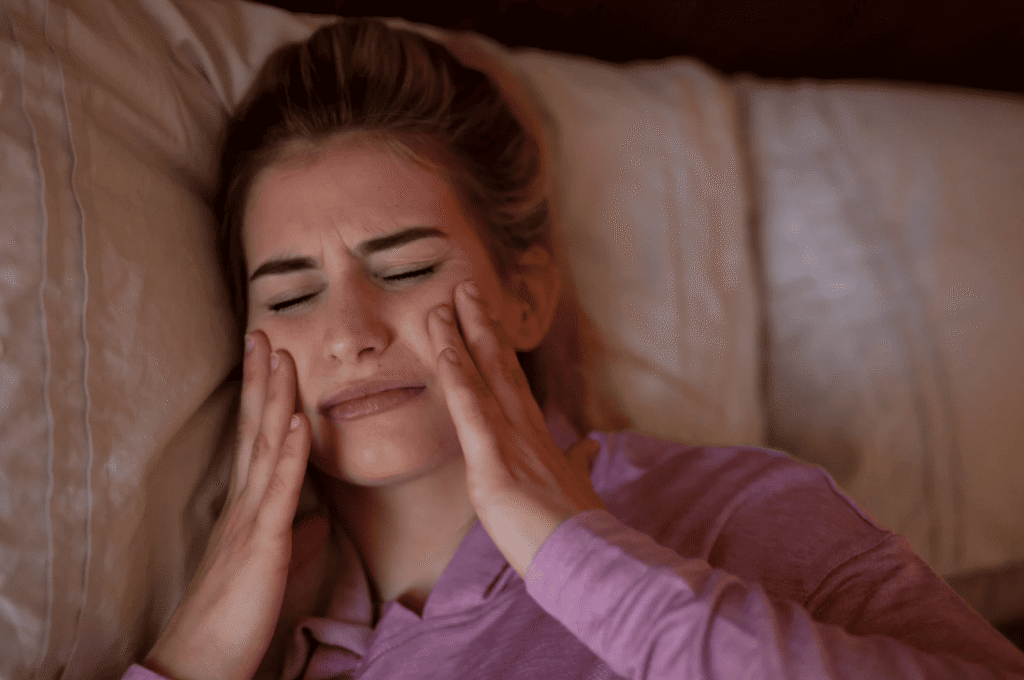
Many people are unaware that they grind their teeth during sleep. Often, it is a partner, family member, or dentist who first notices unusual signs. Common warning signals include:
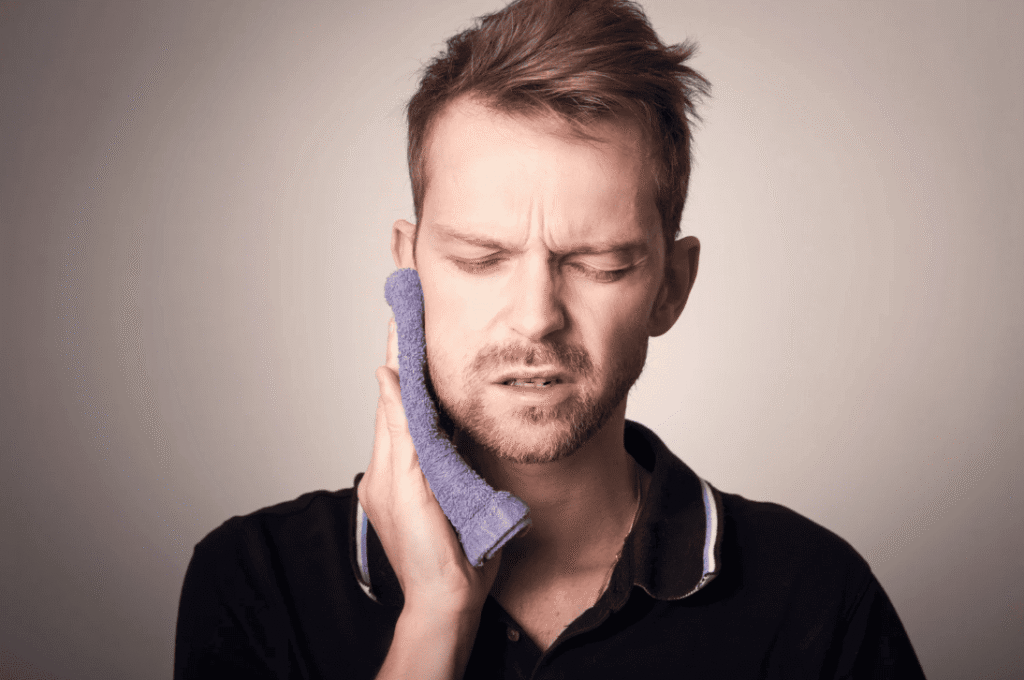
- Jaw or cheek muscle soreness upon waking
- Morning headaches, especially around the temples
- Shortened, flattened, or cracked teeth
- Frequent loosening of fillings, crowns, or ceramic veneers
- Tooth sensitivity or bite pain
- Noisy grinding at night (clicking or “grinding” sounds heard by a partner)
- Jaw joint sounds (“clicking”) or tightness when opening the mouth or chewing
👉 Action: If you notice any of these symptoms, it is important to book a dental check-up promptly. A dentist can examine the extent of tooth wear, muscle tension, and TMJ (temporomandibular joint) function to assess whether you have sleep bruxism and recommend a personalized treatment plan.
The Risks of Bruxism: What Happens if Left Untreated?
If bruxism is not properly managed over the long term, it can have significant effects on teeth, jaw joints, and overall health. Common risks include:
🦷 1. Tooth Wear
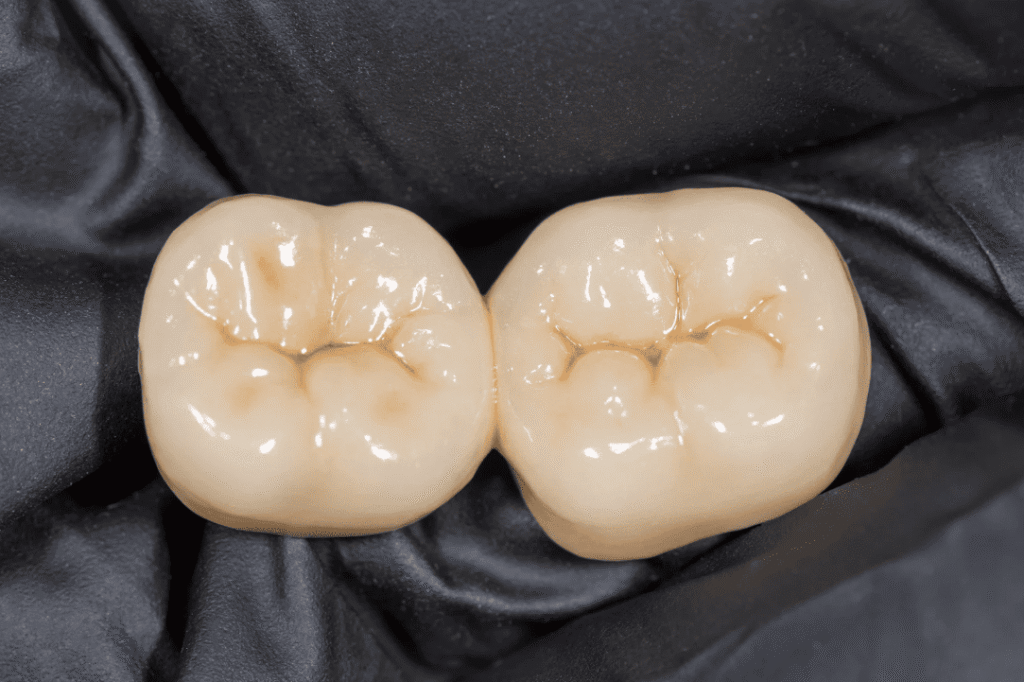
Chronic teeth grinding can flatten the tooth cusps and wear down enamel, making teeth more sensitive and less efficient for chewing.
- Severe tooth wear may require ceramic veneers or dental crowns to restore function and appearance. Learn more about our Ceramic Veneers service.
🦷 2. Tooth Fractures or Chipping
Excessive grinding can cause cracks, chips, or broken teeth, shortening the lifespan of existing fillings, crowns, or veneers and increasing repair costs.
🦷 3. Temporomandibular Joint (TMJ) Disorders
Persistent clenching and grinding can overwork the jaw muscles, leading to:
- Jaw pain or stiffness
- Difficulty opening the mouth fully
- Clicking or popping sounds during chewing
🦷 4. Gum Recession and Loose Teeth
Constant pressure from bruxism can damage gums and supporting tissues, increasing the risk of gum recession and tooth mobility.
🦷 5. Chronic Headaches and Poor Sleep Quality
Overactive jaw and TMJ muscles during grinding often cause morning headaches, temple pain, and can negatively impact overall sleep quality, potentially leading to daytime fatigue and reduced concentration.
Don’t Wait Until Your Teeth Are Damaged!
Teeth grinding affects both your teeth and your sleep quality. Schedule a consultation at Smith & Jain Dentists for a personalised bruxism assessment and treatment plan.
We can help you:
- Assess the severity of nighttime grinding
- Create a customised treatment plan
- Address stress, sleep issues, or bite alignment
- Restore teeth damaged by bruxism
Contact Us:
How to Treat Teeth Grinding? (Comprehensive Treatment Options)
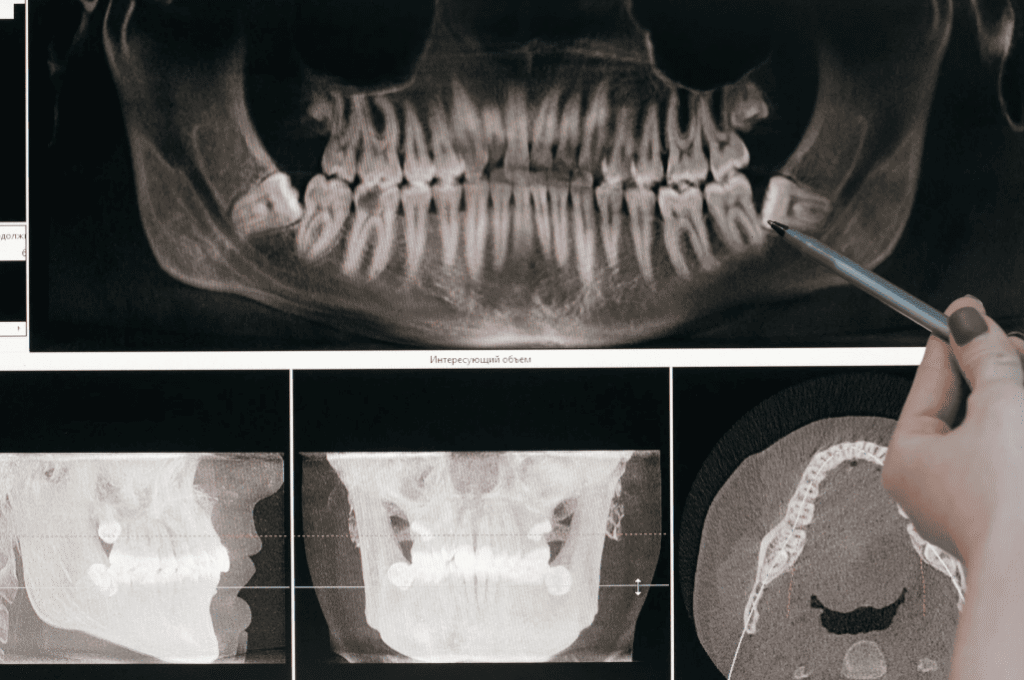
The core approach to managing bruxism is: “Protect the teeth + Identify the cause + Improve behaviour.” Here are the main treatment options:
🦷 1. Night Guard
A night guard is custom-made by your dentist based on your dental impressions. Its functions include:
- Separating the upper and lower teeth to reduce direct wear
- Cushioning bite pressure to relieve TMJ and jaw muscle fatigue
- Protecting teeth from cracks or damage to fillings and restorations
💡 Tip: Over-the-counter night guards often provide limited protection and comfort. For the best results, choose a custom night guard designed by your dentist.
🧘 2. Behavioural and Stress Management
If your teeth grinding is related to stress or anxiety, consider the following:
- Relaxation techniques: Meditation, deep breathing, or yoga
- Improve sleep routine and environment for better rest
- Avoid stimulants before bed: Caffeine, energy drinks, and excessive screen time
- For awake bruxism, Cognitive Behavioral Therapy (CBT) can help train the jaw to relax
😮💨 3. Treat Underlying Medical Conditions
If bruxism is associated with sleep apnea, addressing the underlying condition is essential. Treatment may include CPAP therapy or oral appliance therapy.
Learn More About Sleep Apnoea Treatment ->
If bruxism is suspected to be caused by medication side effects, consult your physician to discuss dosage adjustments or alternative medications.
💉 4. Botox Injection for Masseter Muscles (Severe Bruxism)
For patients with long-term severe bruxism and overdeveloped jaw muscles, Botox injections can temporarily reduce muscle strength to:
- Relieve tooth wear and jaw pain
- Effects last approximately 3–6 months
- Must be performed by an experienced dentist or physician
🦷 5. Dental Restoration
If bruxism has already caused tooth damage, restorative options include:
- Composite fillings
- Ceramic veneers
- Dental crowns
These treatments restore tooth shape, bite function, and aesthetics, ensuring both dental health and a confident smile.
How to Prevent Sleep Bruxism?
While sleep bruxism cannot always be completely prevented, adopting healthy habits and protecting your teeth can significantly reduce its frequency and minimize the risk of tooth wear. Key prevention strategies include:
✅ 1. Maintain Relaxation and Reduce Stress
Stress and anxiety are major triggers for teeth grinding. Daily stress-relief activities can help:
- Exercise: Jogging, yoga, or stretching relaxes muscles and reduces tension.
- Deep breathing or meditation: Helps calm the mind and relieve anxiety.
- Music or warm baths: Relaxation activities that prepare the body for restful sleep.
✅ 2. Improve Sleep Quality and Bedtime Environment
A good sleep environment can reduce nighttime grinding:
- Maintain a consistent sleep schedule, ensuring 7–8 hours of rest per night.
- Minimise light, noise, and electronic distractions before bed.
- Consider sleep aids such as aromatherapy or white noise machines to create a calming atmosphere.
✅ 3. Reduce Stimulant Intake
Excess caffeine, alcohol, nicotine, and energy drinks increase nervous system activity, which can trigger bruxism. Recommendations include:
- Limit coffee, strong tea, and energy drinks in the afternoon or evening.
- Avoid alcohol or smoking close to bedtime.
✅ 4. Avoid Chewing Hard Objects
Do not use your teeth to open bottles, chew pens, ice, or other hard objects. This reduces the risk of tooth damage and prevents restorations, crowns, veneers, or dentures from loosening.
If you already have signs of tooth wear, a custom night guard designed by your dentist can provide extra protection.
✅ 5. Regular Dental Check-Ups
Even without obvious symptoms, it’s recommended to have a dental check-up every 6–12 months to:
- Monitor tooth wear
- Detect early cracks, loose restorations, or TMJ problems
- Allow your dentist to assess if a night guard or other treatment is needed
When Should You See a Dentist?
You should make an appointment if you experience:
- Morning jaw soreness or headaches: May indicate nighttime grinding or TMJ muscle fatigue. Read more about jaw pain and TMJ.
- Shortened, flat, or fractured teeth: Signs of ongoing tooth wear.
- Frequent loosening of fillings, crowns, or dentures
- Reports from your partner that you grind your teeth at night
- Lifestyle adjustments and stress reduction haven’t improved the condition
Early consultation not only protects your teeth and dental restorations but also prevents TMJ disorders and chronic headaches from worsening.
Frequently Asked Questions About Teeth Grinding
How can I stop grinding my teeth?
The key to addressing teeth grinding is identifying the underlying cause and taking appropriate action. Common solutions include:
- Wearing a night guard: Custom-made by your dentist to reduce tooth wear.
- Stress management and relaxation techniques: Meditation, deep breathing, and other exercises help relieve tension and reduce bruxism.
- Improving sleep quality: Maintain a regular sleep schedule and create a comfortable sleep environment.
- Treating underlying conditions: Conditions such as sleep apnea should be addressed with professional care.
- Medication adjustments: If medications contribute to teeth grinding, consult your doctor before making any changes.
How do I know if I grind my teeth?
Many people are unaware of nighttime grinding. Common signs include:
- Jaw or cheek muscle soreness upon waking
- Shortened, flattened, or cracked teeth
- Frequent loosening of fillings, crowns, or veneers
- Tooth sensitivity or pain when biting
- Partner reports hearing grinding sounds during sleep
- Clicking sounds or tightness in the jaw when opening or chewing
If you notice these signs, schedule a dental check-up. Dentists can examine tooth wear, muscle tension, and jaw joint activity to confirm bruxism and provide a personalised treatment plan.
Is teeth grinding caused by stress?
Yes. Stress is a major trigger for bruxism. Chronic tension causes the jaw muscles to contract unconsciously, leading to nighttime clenching or grinding. Anxiety, depression, and other emotional factors may also increase the risk.
Why do I suddenly start grinding my teeth?
Sudden onset of bruxism may be related to:
- Emotional changes: Stress, anxiety, or depression
- Sleep disorders: Sleep apnea, insomnia, or poor sleep quality
- Medication side effects: Certain medications can trigger or worsen grinding
- Lifestyle changes: Changes in diet, routine, or habits
If you experience sudden teeth grinding, see a dentist promptly to determine the cause and start appropriate treatment.
Can teeth grinding damage my teeth?
Yes. Long-term bruxism can cause tooth wear, fractures, and cracks, and may shorten the lifespan of dental restorations.
Does nighttime grinding affect sleep quality?
Yes. Grinding can disrupt sleep and lead to headaches, jaw pain (TMJ disorders), and overall poor sleep quality.
Is wearing a night guard uncomfortable?
Initially, some discomfort is normal, but most people adjust over time. Custom-made night guards designed by your dentist provide better fit, comfort, and protection than over-the-counter options.
How can I prevent teeth grinding?
Preventive measures include:
- Stress reduction and relaxation
- Improving sleep quality and bedtime habits
- Limiting caffeine and alcohol intake
- Avoiding chewing hard objects
- Regular dental check-ups to monitor tooth wear
Do children grind their teeth?
Yes. Bruxism is not only an adult issue—children may also grind their teeth during sleep. Common factors include:
- Tooth development: Transition from baby teeth to permanent teeth may trigger grinding.
- Stress or emotional factors: School pressures, anxiety, or tension.
- Sleep issues: Snoring or mild sleep-related breathing problems.
- Genetics: Bruxism may run in families.
Most childhood bruxism is temporary and resolves naturally. However, if severe, causing tooth wear, jaw discomfort, or sleep disruption, consult a dentist. Children’s night guards may be recommended.
Tip: Parents can observe for nighttime grinding sounds or morning jaw soreness and tooth sensitivity. Early consultation can prevent long-term damage.
Disclaimer
All information provided on this website is for informational purposes only and is intended to help readers gain general knowledge about dental health. The content on this website should not be considered a substitute for professional dental diagnosis, advice, or treatment. If you have any dental concerns, please consult a licensed dentist for appropriate medical advice and treatment. Smith & Jain Dentists and its affiliates are not responsible for any direct or indirect damages resulting from the use of this website’s information. This website may include links to external websites for reference purposes only. Smith & Jain Dentists is not responsible for the content or accuracy of third-party websites.
Share This Article
More Articles