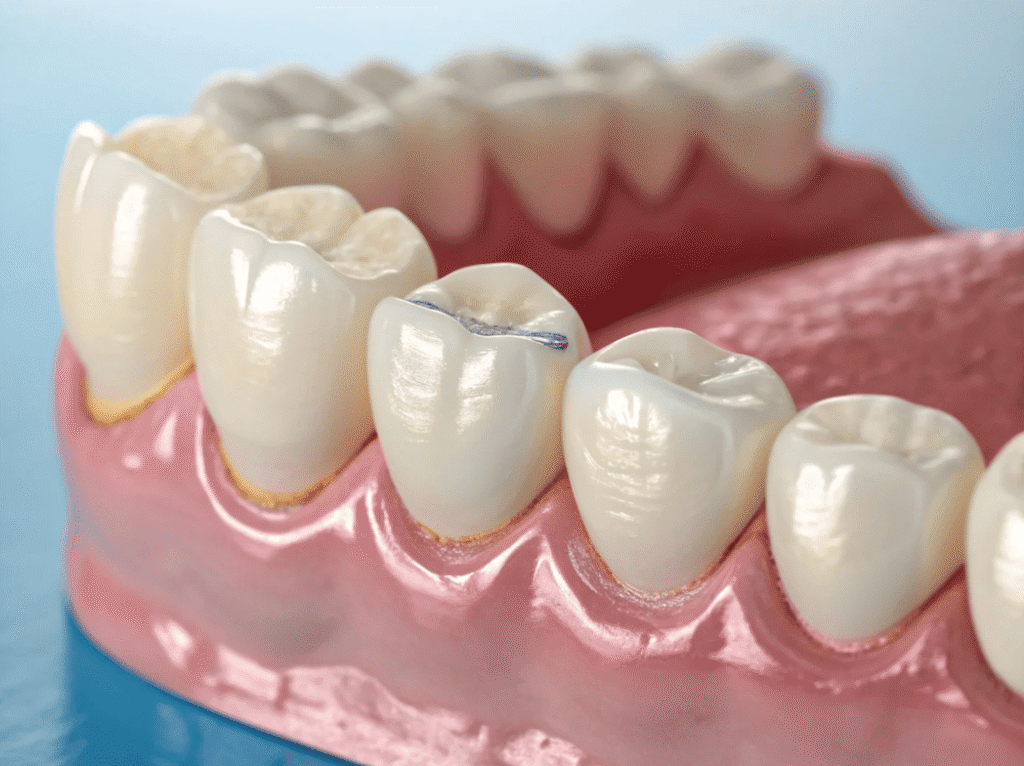

Teeth cleaning is the cornerstone of oral health, yet it remains surrounded by misunderstandings and anxiety. Do you believe that brushing twice a day is enough to keep your teeth perfectly clean? In reality, even the most meticulous brushing habit can struggle to reach 100% of the hidden corners in your mouth. This is why professional teeth cleaning is an indispensable part of modern oral care.
This comprehensive guide will take you through the science behind scaling, the full procedure, and debunk common myths like “scaling damages teeth.” Whether you are looking to prevent gum disease or achieve fresher breath, this guide will show you how regular care maintains long-term oral health and saves you from costly dental treatments in the future.

In clinical terms, teeth cleaning is known as “Scaling and Polishing.” It is a procedure performed by a professional dentist or dental hygienist using medical-grade instruments to thoroughly clean the surfaces of the teeth, deep between the gaps, and along the gumline (the gingival sulcus). The core objective is to remove two primary enemies that home care alone cannot defeat: Dental Plaque and Dental Calculus.
Many people wonder: “I brush every morning and night and even use dental floss; why do I still need to pay for a professional cleaning?” To answer this, one must understand the continuous process of calcification occurring inside the mouth.
Plaque is a sticky, colorless film of bacteria that begins to attach to your teeth within minutes after eating. These bacteria break down sugars from your food and produce acidic substances that erode tooth enamel. While diligent brushing removes a large portion of plaque, residual bacteria hidden deep in the gumline or behind the molars continue to react with minerals in your saliva.
If plaque is not removed within 48 to 72 hours, it begins to mineralize and harden into Dental Calculus, commonly known as Tartar. Once calculus forms, its structure becomes as solid as cement. Regardless of how expensive your electric toothbrush is or how strong your water flosser may be, you cannot remove it at home. It acts like a rough fortress, attracting even more bacteria to “set up camp,” creating a vicious cycle of buildup.
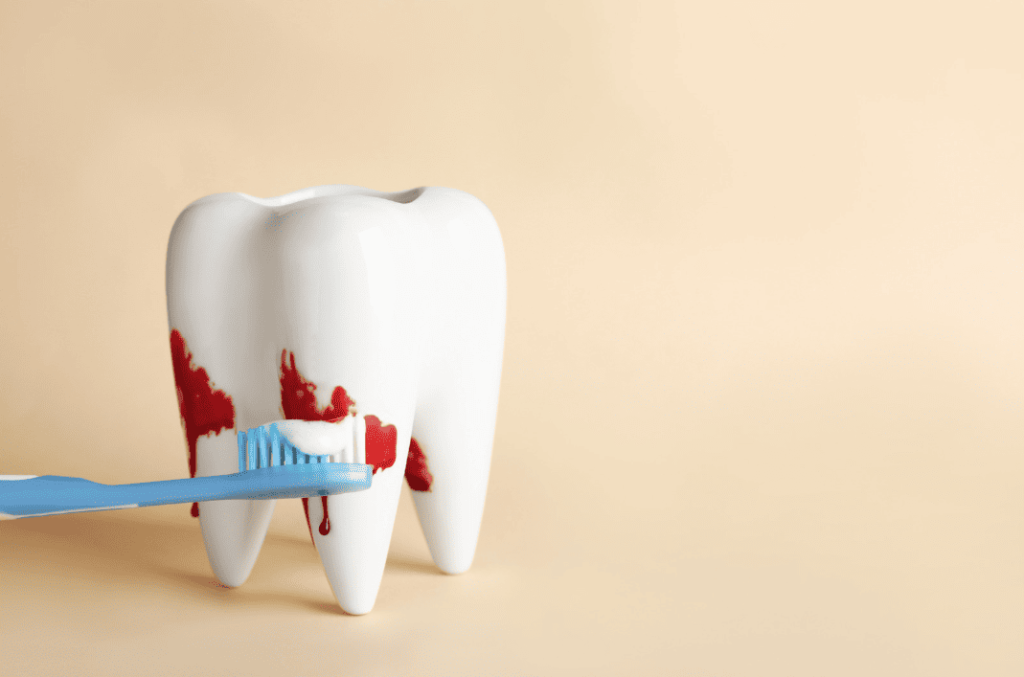
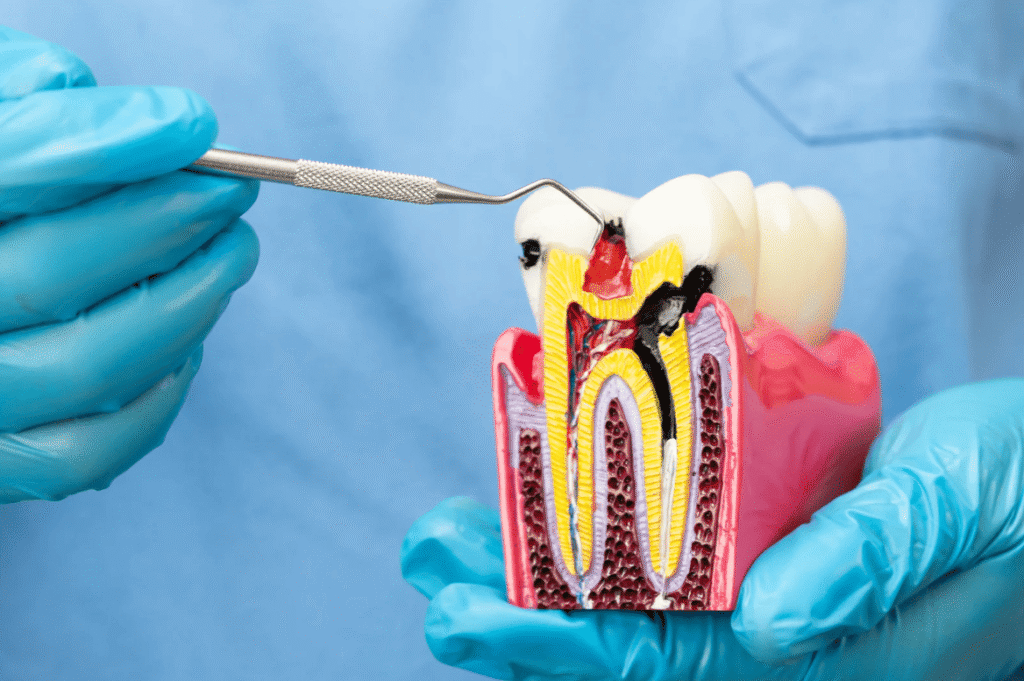
*Expert Tip: Calculus is not just a cosmetic issue that makes teeth look yellow. Because its surface is extremely rough, it constantly releases toxins that irritate the gum tissue, leading to Gingivitis (indicated by bleeding and swelling). If left untreated, this inflammation spreads downward to the bone supporting the teeth, eventually evolving into irreversible Periodontal Disease (Gum Disease), which can lead to tooth mobility and eventual loss.

Many people assume that teeth cleaning is purely for aesthetics—to make teeth look whiter and cleaner. However, from a professional dental perspective, the physiological significance of regular scaling far outweighs the aesthetic benefits. Here are the four reasons why a dental cleaning every six months is considered a “high-return health investment”:
Periodontal disease (gum disease) is often called the “invisible killer” of adult teeth. When calculus accumulates along the gumline over time, bacteria relentlessly attack the tissues supporting your teeth.
Does bad breath persist even with the daily use of mouthwash? This is often due to bacteria multiplying rapidly within the porous structure of dental calculus hidden deep between teeth.
During the cleaning process, your dentist or hygienist is doing more than just mechanical cleaning; they are performing a comprehensive oral health screening.
From an economic standpoint, teeth cleaning is the most cost-effective dental procedure available.
Don’t let dental calculus become an invisible threat to your health. We are dedicated to providing you with a gentle, thorough, and fully compliant professional cleaning experience. Whether it is a routine check-up or addressing long-term dental concerns, our international team is ready to serve you.

At a professional dental clinic, teeth cleaning is far more than a simple “rinse.” It is a standardized, precision medical procedure. Here are the four essential stages you will experience while in the dental chair:
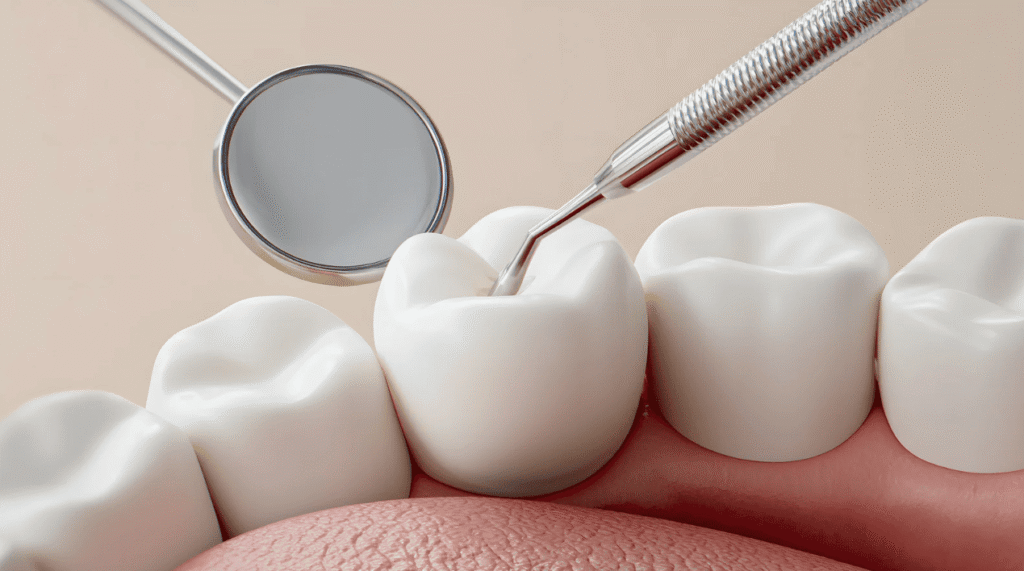
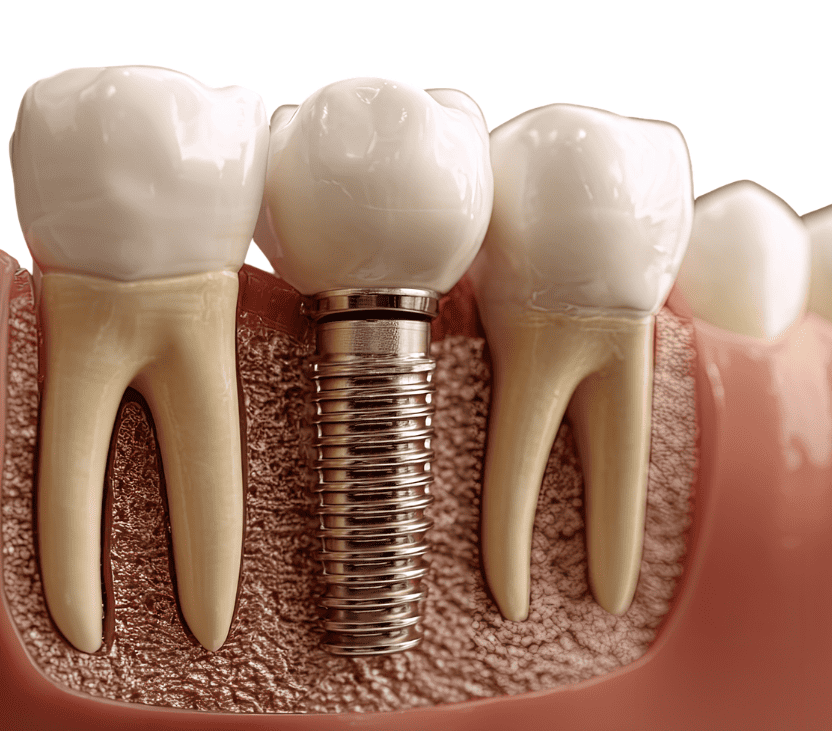
Before the cleaning begins, the dentist performs a full-mouth evaluation. This goes beyond just looking for tartar; it is a vital assessment of your gum health (including periodontal pocket depth probing), a check for hidden cavities, an inspection of existing fillings for damage, and a screening for any oral mucosal abnormalities. This professional evaluation allows for the early detection of issues, helping you avoid the need for expensive root canal treatments or dental implants in the future.
This is the primary phase of the cleaning process. The dentist uses an ultrasonic scaler with a tip that vibrates at high frequencies. This physical energy easily shatters and detaches large, hardened chunks of calculus (tartar) from the tooth surface. Throughout the process, a fine mist of water is continuously sprayed. This not only cools the instrument and reduces the sensitivity caused by frictional heat but also creates microscopic bubbles through “cavitation,” effectively flushing away deep-seated bacteria and debris.
While ultrasonic instruments are highly efficient, certain “blind spots”—such as the tight spaces between teeth or minute deposits tucked deep beneath the gumline—require the dentist’s tactile sensitivity. The dentist will switch to various fine hand instruments (curettes) at different angles. Relying on a precise sense of touch, they manually scrape away any remaining debris and smooth the root surfaces. The smoother the tooth root, the harder it is for bacteria to reattach.
Once the calculus has been removed, the tooth surfaces may still have microscopic roughness or stubborn extrinsic stains (such as those from coffee, tea, or smoking). The dentist uses a small, rotating rubber cup dipped in a specialized prophylaxis paste to polish the entire mouth.
Ready to Experience the Most Meticulous Professional Care? Regular teeth cleaning is the most cost-effective investment you can make to protect your smile. Regardless of when your last cleaning was, now is the perfect time to schedule a check-up.
👉 [Book Your Professional Oral Examination and Cleaning Now]

Within the first 24 to 48 hours after scaling, your gums are in a recovery phase, and your teeth may be more sensitive to temperature. Proper home care can help maintain the cleaning effects and ensure a smooth recovery.
In the early stages after scaling, your enamel can be sensitive. It is recommended to avoid ice-cold, excessively hot, or spicy foods. Additionally, teeth are more porous after polishing; try to minimize consumption of coffee, dark tea, or red wine for at least 24 hours to prevent staining.
If you experience temporary tooth sensitivity or soreness, using a desensitizing toothpaste can help. This sensitivity usually occurs because the tooth roots—previously covered by calculus—are temporarily exposed. This is a normal phenomenon and typically subsides within a few days.
Scaling clears the gaps between your teeth, making this the perfect time to establish a good cleaning routine. Floss at least once a day to prevent dental plaque from accumulating in these newly cleaned spaces.
Minor bleeding is normal during the first day. However, if bleeding persists for more than three days or is accompanied by severe pain, please contact your dentist for a follow-up appointment.

When selecting a dental clinic, beyond location and price, you should consider these four professional benchmarks:
Ensure the clinic is operated by recognized, registered dentists or dental hygienists. Our team features international experts with extensive experience in handling complex oral conditions.
Observe whether the clinic strictly enforces instrument sterilization. A professional clinic should have transparent hygiene protocols, utilizing disposable consumables or instruments processed through high-pressure autoclaves (sterilizers).
Do they use modern ultrasonic instruments with low noise and minimal discomfort? A modernized clinic offers a significantly more comfortable experience, reducing patient anxiety regarding dental cleanings.
Look for authentic reviews or testimonials from long-term clients. A clinic with decades of history and a stable reputation is better equipped to ensure continuity and stability of care.
The saying “Prevention is better than cure” is an absolute truth in dentistry. Regular teeth cleaning can save you from high surgical and restorative costs in the future. Take charge of your oral health today by choosing a professional, transparent, and experienced team.
Oral care should never be compromised. Selecting a trusted clinic is the key to ensuring both safety and effective results.
Smith & Jain Dentists combines decades of clinical experience with modern dental technology. We do more than just clean your teeth; we are the long-term managers of your oral health. Our team communicates fluently in English, Cantonese, and multiple other languages, ensuring you receive care with full understanding and peace of mind. Whether it is a routine check-up or complex periodontal treatment, we prioritize patient comfort and long-term health above all else.
Are you ready to show off a confident smile? Regular teeth cleaning is the simplest, yet most important health decision you can make for yourself.
Don’t let dental calculus become an invisible threat to your health. We are dedicated to providing you with a gentle, thorough, and fully compliant professional cleaning experience. Whether it is a routine check-up or addressing long-term dental concerns, our international team is ready to serve you.
No. This is perhaps the most common misunderstanding. People often feel that the gaps between their teeth have enlarged because the calculus (tartar) that was previously wedged in those spaces has been removed. Additionally, as the inflamed and swollen gums heal and return to their healthy, normal position, the original structure of the teeth is revealed. If you avoid scaling, the persistent pressure from calculus will cause the gums to recede further—that is where the real, permanent damage occurs.
It depends on your gum health. If you have a regular scaling habit and healthy gums, the process usually involve nothing more than a mild vibrating sensation. However, if there is significant gum inflammation or heavy calculus buildup, you may experience slight sensitivity or minor bleeding. These are normal reactions that typically subside within a few days. Our team is committed to using gentle techniques to minimize any discomfort.
As a general rule, we recommend a professional cleaning every 6 months. For individuals with specific needs—such as smokers, patients with diabetes, pregnant women, or those currently undergoing orthodontic treatment (braces)—we may recommend a check-up and cleaning every 3 to 4 months.
It has a limited whitening effect. Scaling is designed to remove extrinsic stains caused by smoking, tea, or coffee, thereby restoring your teeth to their natural shade. However, if you wish to change the actual base color of your teeth to a brighter white, you would require a professional Teeth Whitening treatment.
Disclaimer
All information provided on this website is for informational purposes only and is intended to help readers gain general knowledge about dental health. The content on this website should not be considered a substitute for professional dental diagnosis, advice, or treatment. If you have any dental concerns, please consult a licensed dentist for appropriate medical advice and treatment. Smith & Jain Dentists and its affiliates are not responsible for any direct or indirect damages resulting from the use of this website’s information. This website may include links to external websites for reference purposes only. Smith & Jain Dentists is not responsible for the content or accuracy of third-party websites.