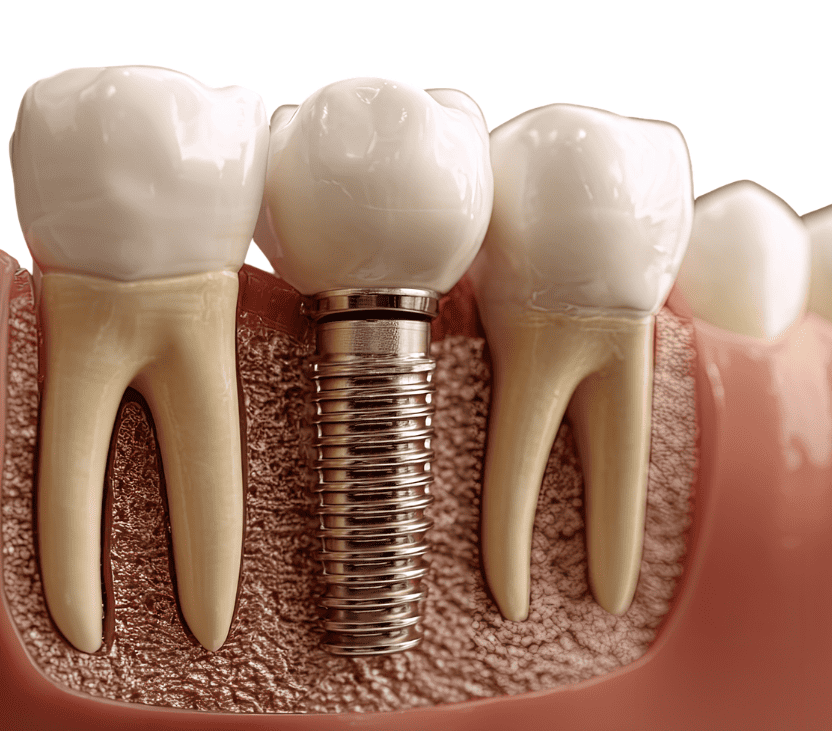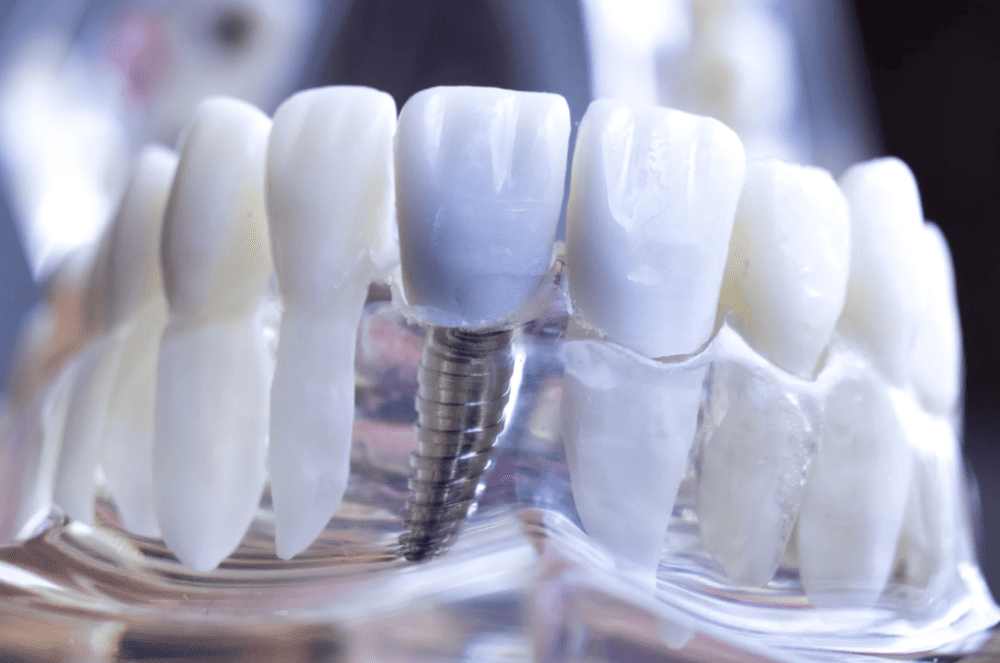

Wisdom teeth are the last teeth to erupt in the mouth, and because space is often limited, their growth can cause pain that affects everyday eating and sleep. For many people, the most pressing question is simply: how long does wisdom tooth pain last? This article breaks down when wisdom teeth grow, the causes of the pain, the early symptoms, and effective short-term relief methods — so you can judge your situation and decide whether to see a dentist.
When Do Wisdom Teeth Grow? Timing and Characteristics
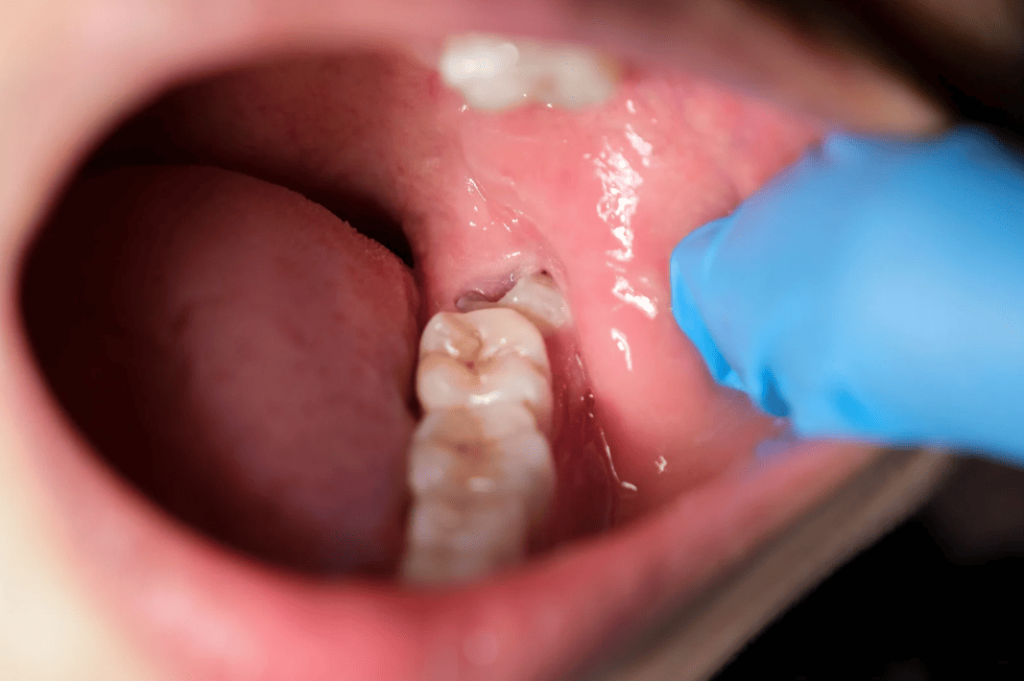
Wisdom teeth (the third molars) are the last permanent teeth to erupt, generally appearing between the ages of 17 and 25 — a stage often called the “wisdom tooth eruption period.” As humans have evolved, the jaw has become smaller, so wisdom teeth frequently lack enough room, leading to impaction or abnormal growth. This is exactly why many people begin to feel wisdom tooth pain during these years.
Eruption timing varies from person to person: some experience their first wisdom tooth in their teens, while others do not until later adulthood. Factors include genetics, jaw structure, and how the other teeth are arranged. If you suspect a wisdom tooth is about to erupt, it is wise to consult a dentist early to monitor its progress and prevent potential problems.

Say Goodbye to Wisdom Tooth Pain – We’re Here to Help!
At Smith & Jain Dentists, our experienced dentists address wisdom tooth pain from diagnosis through to extraction, tailoring the most suitable plan for you. Our Central, Hong Kong team is ready to help you return to comfort.
Why Choose Us?
- ✅ Personalized Treatment – Tailored to your specific wisdom tooth problem.
- ✅ Advanced Technology – A precise and comfortable treatment process.
- ✅ Trusted Care – Your smile is in safe hands.
💡 Take the first step toward a pain-free smile!

Why Does an Erupting Wisdom Tooth Hurt?
Wisdom tooth pain is one of the most common reasons patients seek dental care. The causes are varied, and mainly include:
Pressure from Impaction
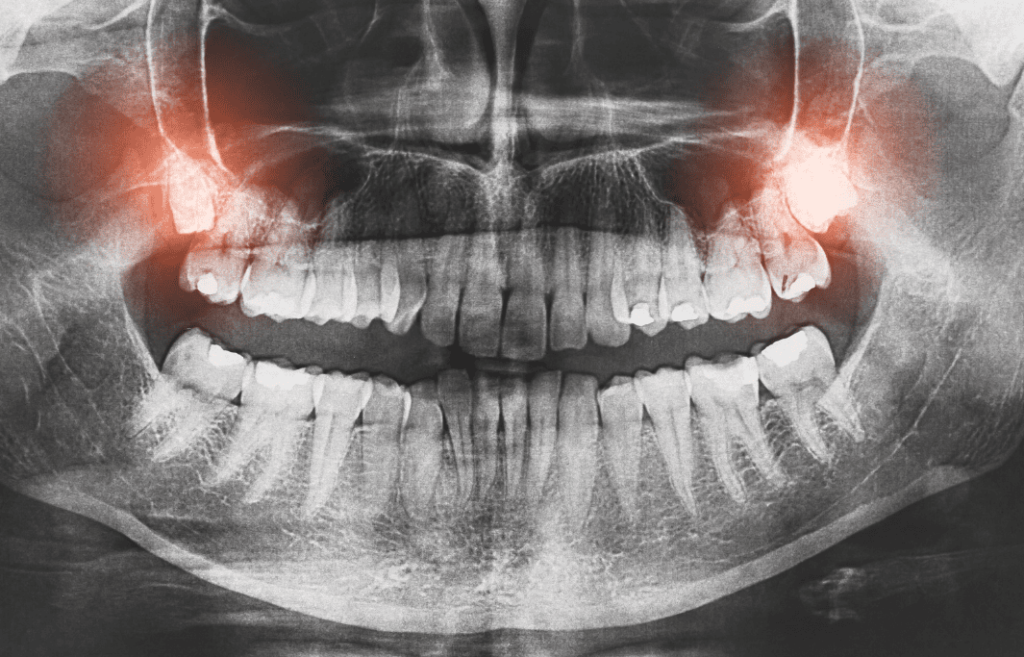
When a wisdom tooth cannot break through the gum or jawbone, it becomes impacted. It then presses on surrounding tissue, causing a dull ache or sharp pain that may be intermittent or constant, and in severe cases disrupts sleep.
Gum Inflammation and Pericoronitis
A partially erupted wisdom tooth is only partly exposed, so food debris and bacteria easily collect under the overlying gum, triggering inflammation — known medically as pericoronitis — often with swelling, heat, and pain. If the tooth is impacted horizontally or repeatedly inflamed, the causes and treatment are more complex; for details, see: Wisdom Teeth Impaction and Inflammation: Symptoms, Causes & Treatment →
Pressure on Neighbouring Teeth
As it grows, a wisdom tooth may push against the adjacent second molar, causing that tooth to shift or become damaged. This not only causes localized pain but can affect the overall alignment of your teeth — a particular concern for anyone who has had orthodontic treatment.
Other Contributing Factors
Wisdom tooth pain can also relate to poor oral hygiene or general health. For example, when immunity is low, the gums are more prone to infection, worsening the pain and affecting daily eating and social life.

Early Wisdom Tooth Symptoms: How to Recognize Them
In the early stages of eruption, patients may experience a range of warning signs; recognizing them early helps prevent the problem from worsening. Common early symptoms include:
- Pain at the back of the mouth: A dull ache or throbbing in the molar area, worsening when chewing or opening the mouth.
- Red or swollen gums: The gum over the wisdom tooth becomes red and swollen, and bleeds or feels sensitive when brushing.
- Discomfort when chewing: Pressure on the area causes discomfort during eating, sometimes affecting normal meals.
- Limited mouth opening: Swelling or pain may make it hard to open fully, with discomfort when swallowing.
These symptoms usually mark the early stage of an erupting wisdom tooth. If they persist or worsen, they may point to an underlying problem such as impaction or infection, and a professional assessment is recommended.
How Long Does Wisdom Tooth Pain Last? Duration and Factors
The answer varies from person to person. In general, early wisdom tooth pain can last from a few days to a few weeks, depending on:
- Eruption progress: If the tooth erupts smoothly, pain usually eases within 1 to 2 weeks once it is fully through; if it is impacted, pain may recur or continue for months.
- Individual constitution: Pain tolerance and immune response affect how long the discomfort feels.
- Complications: If accompanied by gum inflammation or infection, pain may last until treatment is complete.
As a rule of thumb: if the pain lasts more than a week without easing, or keeps recurring, see a dentist to determine whether further treatment is needed.
Note: This article is about pain while a wisdom tooth is erupting. If your concern is how long pain lasts after wisdom tooth extraction, see: The Complete Guide to Wisdom Tooth Removal: Procedure, Cost, Side Effects & Post-op Pain →

Wisdom Tooth Pain Relief: Short-Term Measures
Before a professional assessment or extraction, you can try the following to ease early discomfort:
- Ice packs: Apply an ice pack to the cheek over the sore area for about 15 minutes at a time to reduce swelling and numb the local nerves. Especially helpful when the gum is red and swollen.
- Salt-water rinse: Gently rinse with a mild salt-water solution (half a teaspoon of salt per cup of warm water) to help kill bacteria and ease gum inflammation.
- Over-the-counter painkillers: Ibuprofen or paracetamol can quickly relieve pain — always follow the label and avoid overuse or long-term reliance.
- Diet adjustment: Avoid hard, very hot, or spicy foods, chew less, and give the mouth ample rest.
- Maintain oral hygiene: Brush gently each day and use floss around the area to reduce food debris and the risk of inflammation.
These measures offer only short-term relief and are not a cure. If pain persists or is accompanied by fever or worsening swelling, seek professional dental care immediately.
Wisdom Tooth Pain: When Should You See a Dentist?
See a dentist promptly — rather than relying on painkillers to get by — if any of the following occur:
- Pain lasting more than a week, or recurring.
- Marked gum swelling or pus, or a lump on the cheek or jaw.
- Fever, difficulty swallowing, or severely limited mouth opening.
- A wisdom tooth that is clearly growing sideways or already affecting a neighbouring tooth.
Using a clinical exam and X-rays, your dentist can determine the growth status of the wisdom tooth and whether it needs treatment. Early intervention helps prevent the problem from developing into a complex surgical case.
Say Goodbye to Wisdom Tooth Pain – We’re Here to Help!
From examination and pain relief through to extraction, the experienced team at Smith & Jain Dentists provides comprehensive, personalized wisdom tooth care. Whether you are in the early stages of eruption or already troubled by wisdom tooth pain, we can arrange an examination and a treatment plan for you.
💡 Ready to say goodbye to wisdom tooth pain?
Further Reading
- Wisdom tooth growing sideways or repeatedly inflamed? Understand the causes, symptoms and treatment: Wisdom Teeth Impaction and Inflammation →
- Considering extraction? Learn the procedure, cost and recovery: The Complete Guide to Wisdom Tooth Removal →
- Causes and relief for swollen, painful gums: Gum Swelling Solutions →
- Smith & Jain Wisdom Teeth Removal Service →
Frequently Asked Questions
When do wisdom teeth grow? Why am I only feeling pain now?
Wisdom teeth usually erupt between ages 17 and 25, but the timing varies with genetics and jaw space. If you are only feeling pain now, it may be caused by impaction or inflammation — an early check-up is recommended.
What are the symptoms of an erupting wisdom tooth? How do I know it’s wisdom tooth pain?
Early symptoms include aching at the back of the mouth, red or swollen gums, discomfort when chewing, and limited mouth opening. If you have these signs, it may be wisdom tooth pain — an X-ray can confirm the cause.
How long does wisdom tooth pain last? Do I need to extract it right away?
Erupting wisdom tooth pain generally eases within 1 to 2 weeks, though impaction or inflammation can make it last longer. Extraction is not always immediately necessary, but if the pain persists, consult a dentist for assessment.
What relief methods can I use for wisdom tooth pain?
Short-term relief includes ice packs to reduce swelling, salt-water rinses, and painkillers such as ibuprofen. These can ease the pain, but professional treatment is recommended to resolve the underlying problem.
How should an early-stage wisdom tooth be managed? Will it heal on its own?
Early-stage discomfort can be eased with the relief methods above, but it will not fully resolve on its own. If symptoms worsen — such as increased swelling — contact Smith & Jain Dentists for an examination and treatment.