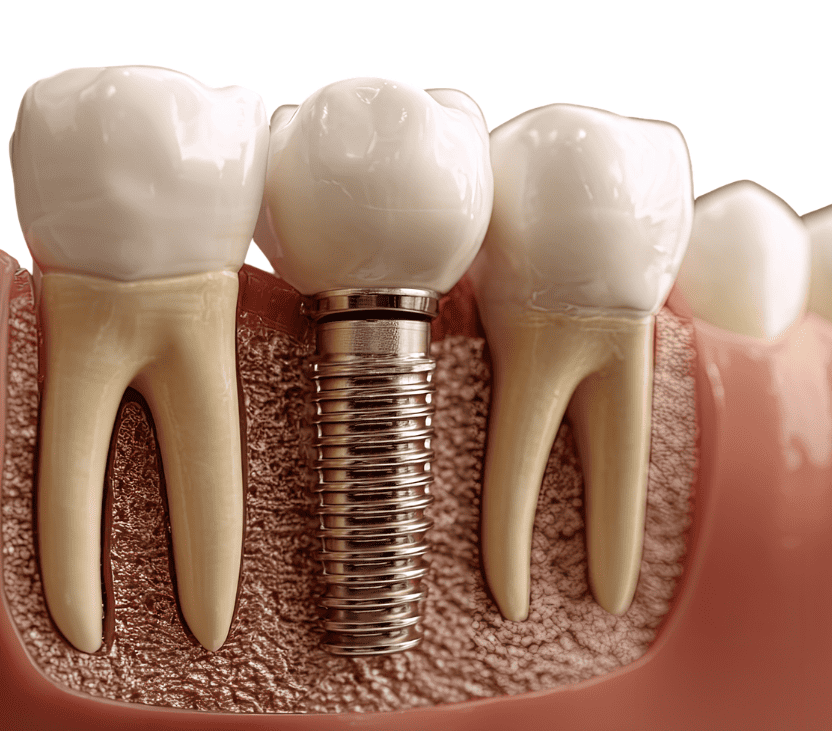
Root Canal Treatment Cost: Fees and Influencing Factors
Persistent tooth pain, sensitivity, or swollen gums often signal an infected dental pulp, requiring Root Canal Treatment to save the tooth. For most patients, the primary concern is: How much will the root canal cost?
Since every tooth condition is unique, the fee is not fixed. This article will break down the expected cost range and the key factors that influence the price, based on market standards, helping you plan your budget effectively.
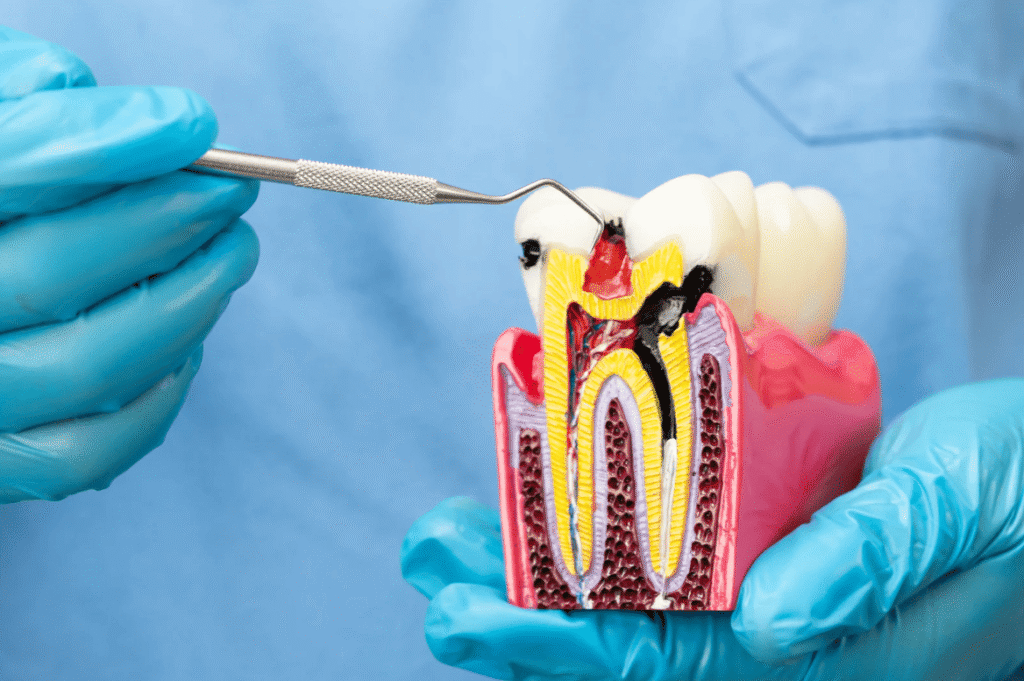
Table of Contents
How Much Does a Root Canal Treatment (RCT) Cost?
The complexity of root canal treatment can only be accurately determined after a clinical examination and X-ray assessment. Therefore, dentists usually cannot provide a “fixed” fee without a face-to-face consultation.
However, using the current general market prices in Hong Kong as a reference (e.g., based on the fee schedule of the Prince Philip Dental Hospital), the cost range for root canal treatment is typically as follows:
💰 Price Range: HK$6,600 – HK$25,000 / Per Tooth
(Note: This range is for reference only. The actual fee depends on the tooth position and the complexity of the condition.)
The 3 Key Factors Influencing Root Canal Treatment Cost
Why are some people’s treatment costs lower while others are higher? The fee for a root canal primarily reflects the technical difficulty and time required for the treatment. Here are the main reasons for price variation:
1. The Position of the Tooth
This is the most direct influencing factor, as the number of root canals varies significantly between different tooth positions:
- Anterior Teeth (Front Teeth): Usually have only 1 root canal. The structure is simpler, treatment is relatively easier, and the cost is generally lower.
- Posterior Teeth / Molars (Back Teeth): Often have 3 to 4 (or even more) root canals. They are located deep in the mouth, with a narrow field of view, which significantly increases the difficulty of operation and the time required. Therefore, the cost is usually the highest.
2. The Complexity of the Case
Even for the same type of tooth, the internal condition can differ vastly. The technical difficulty increases in the following situations:
- Calcification of the Canal: The root canal has narrowed or become blocked, requiring advanced techniques for clearance.
- Curved Roots: Curved root canals increase the risk and difficulty of instrument manipulation.
- Retreatment: If a tooth has previously undergone root canal treatment but has become infected again, the dentist must first remove the old filling material and clean a deeper level of infection. This type of procedure is more challenging than the initial treatment, and the cost will increase accordingly.
3. General Practitioner vs. Specialist Endodontist
Routine root canal treatment can be performed by a General Dentist. However, for the complex multi-canaled teeth, calcified, or retreatment cases mentioned above, referral to an Endodontic Specialist may be necessary.
A specialist often uses a high-magnification microscope for minimally invasive treatment, which can significantly increase the success rate of saving the tooth. The associated fees will reflect their specialist qualifications and the cost of the precision equipment.
Further Reading: Root Canal Procedure, Pain, and Post-Procedure Care
Further Reading: Understanding the Root Canal Crown: Why a Dental Cap is Needed After Treatment?
🚨 Act Now: Say Goodbye to Tooth Pain and Save Your Natural Teeth!
Are you or your family experiencing persistent severe tooth pain or gum swelling? Pulp infection cannot heal on its own. Delaying treatment will only allow the infection to spread, eventually potentially leading to the tooth being unsalvageable.
Early examination ensures a higher treatment success rate and generally lower costs. Our Central team is equipped with advanced facilities to provide you with the most accurate diagnosis.
Contact Us:
Are There Other Additional Costs Besides the Procedure Fee?
When calculating the total expense, in addition to the root canal treatment itself, you should also consider the following related procedures:
- Consultation and X-ray Examination: A detailed examination must be performed before treatment begins.
- Dental Crown: This is a crucial step. A tooth that has undergone root canal treatment becomes more fragile and loses moisture. In most cases, a dental crown (cap) is recommended to protect the tooth structure and restore chewing function. The cost of the crown is usually calculated separately.
Conclusion: How to Get an Accurate Quote?
The goal of a root canal is to save your natural tooth, avoiding the need for the more expensive dental implant procedure after extraction. While online information can provide a price range, the most accurate budget can only be obtained through a face-to-face consultation.
We recommend booking an appointment with a dentist for an examination. At Smith & Jain Dentists, our dentists will conduct a detailed examination and take necessary X-rays, comprehensively evaluate your root canal system, and provide a clear and transparent treatment plan and cost estimate, ensuring you are fully informed and confident before making a decision to start treatment.
Frequently Asked Questions
How much does a root canal cost in Hong Kong?
The cost for root canal treatment (RCT) in Hong Kong typically ranges from HK$6,600 – HK$25,000 per tooth, depending on the tooth’s position and complexity.
Why is the cost of a root canal for a molar more expensive than for a front tooth?
Front teeth (incisors) usually have only 1 root canal, making treatment simpler. Molars (back teeth) typically have 3-4 root canals, are located far back, and have a narrow field of view. The increased treatment difficulty and time required result in a higher cost.
Does the root canal fee include the dental crown?
Generally, no. Root canal treatment focuses on cleaning and filling the inside of the tooth. The dental crown (cap) recommended after treatment is a restorative procedure, and its fee is typically calculated separately.
Disclaimer
All information provided on this website is for informational purposes only and is intended to help readers gain general knowledge about dental health. The content on this website should not be considered a substitute for professional dental diagnosis, advice, or treatment. If you have any dental concerns, please consult a licensed dentist for appropriate medical advice and treatment. Smith & Jain Dentists and its affiliates are not responsible for any direct or indirect damages resulting from the use of this website’s information. This website may include links to external websites for reference purposes only. Smith & Jain Dentists is not responsible for the content or accuracy of third-party websites.
Share This Article
More Articles