
In this guide, our professional dental team at will break down everything you need to know about Tooth Fillings. From the procedure and the pros and cons of the four major materials to essential aftercare.
When you feel a sharp twinge of sensitivity while drinking cold water, or notice a small black spot on your tooth that won’t brush away, these are often the early warning signs of a cavity.
Many people delay dental visits due to fear of pain or the sound of the drill. However, as the saying goes, “a small hole left unplugged leads to big suffering.” Tooth fillings are the foundation of restorative dentistry, aimed at repairing the tooth’s structure and function before bacteria infect the nerve.
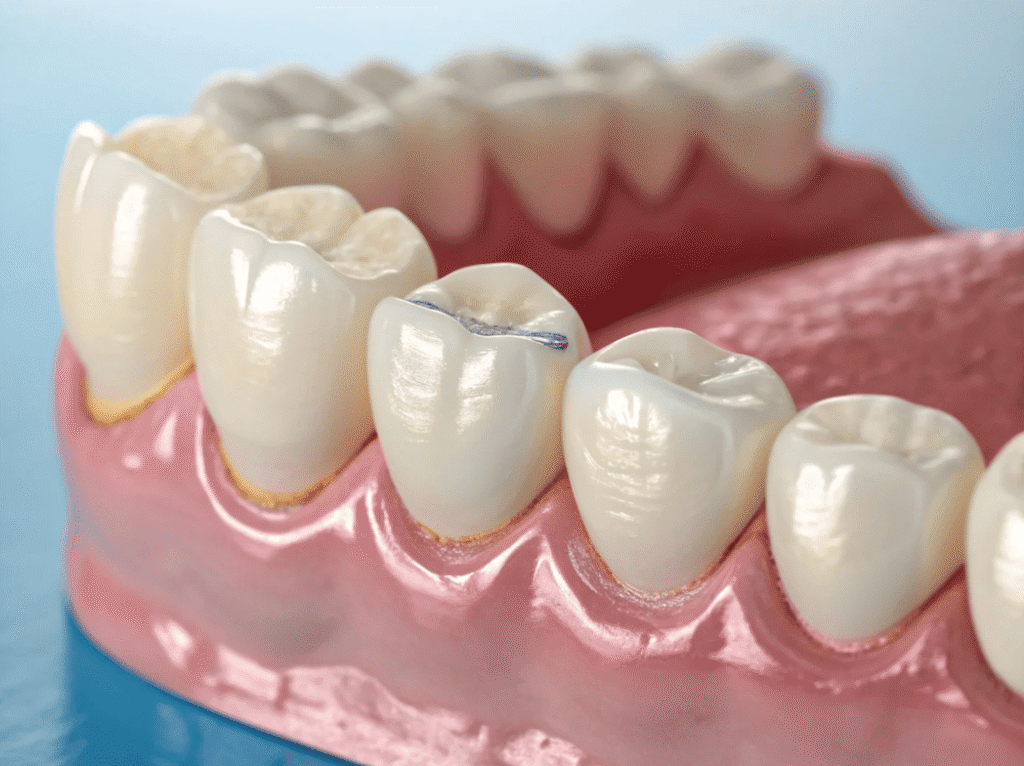
The primary goals of a filling are to “stop the damage” and “restore function.” Common scenarios requiring a filling include:
Tooth decay is irreversible. If not filled promptly, bacteria will penetrate the enamel and reach the dentin, eventually infecting the dental pulp (nerve). At that stage, you may face excruciating pain, dental abscesses, and the need for Root Canal Treatment or Tooth Extraction, both of which are significantly more complex and expensive.
Modern dentistry offers various materials. Your dentist will recommend the best option based on the size and location of the cavity, as well as aesthetic requirements.
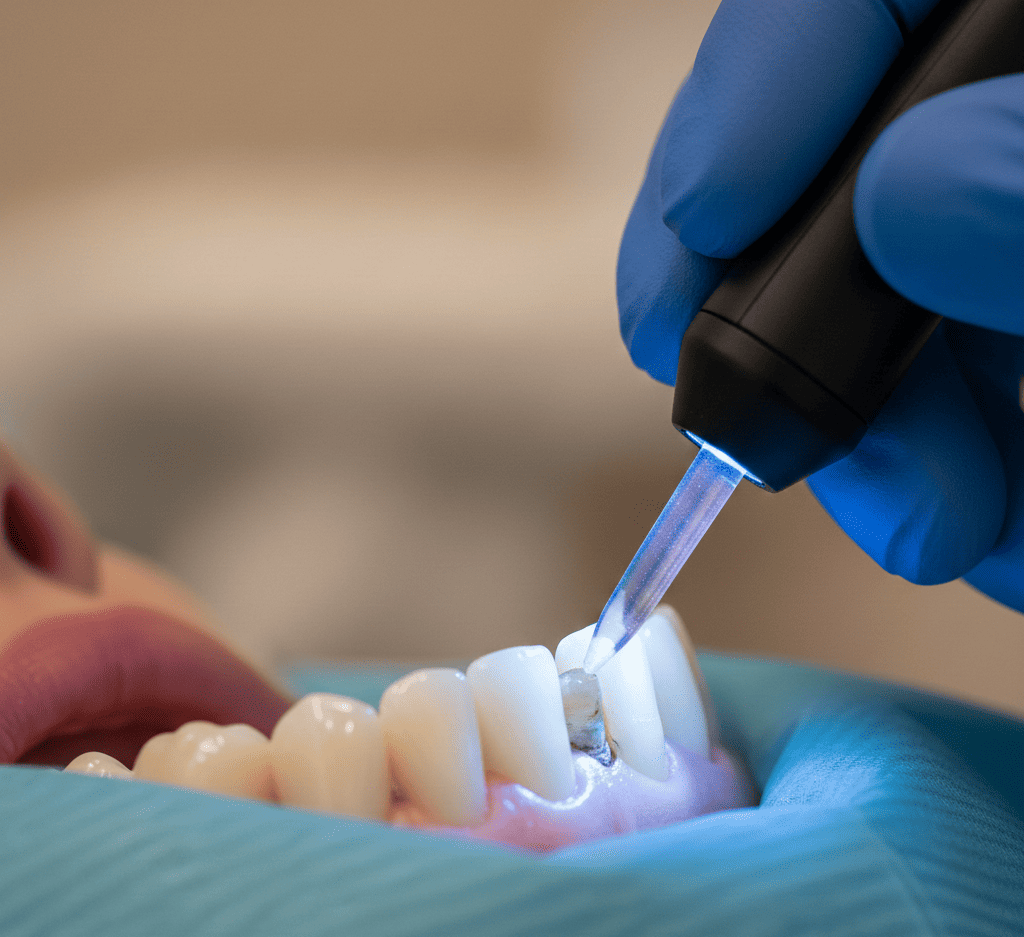
This is currently the most popular choice in Hong Kong dental clinics. It is a mixture of plastic and glass powder.
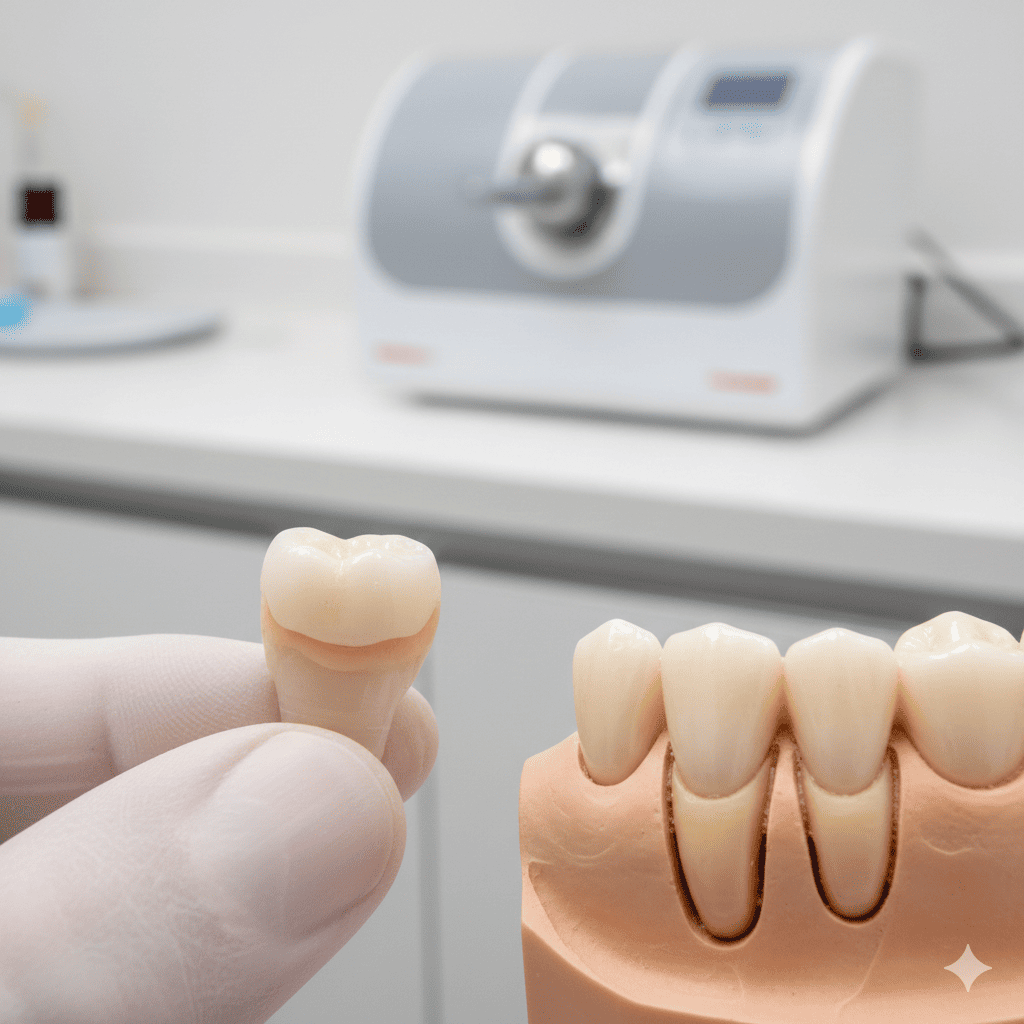
When decay is extensive (e.g., covering more than 50% of the tooth surface), composite resin may not be strong enough to support biting forces. In these cases, a “Ceramic Restoration” is recommended. These are custom-made ceramic pieces crafted in a lab via 3D scanning or impressions, then bonded to the tooth.
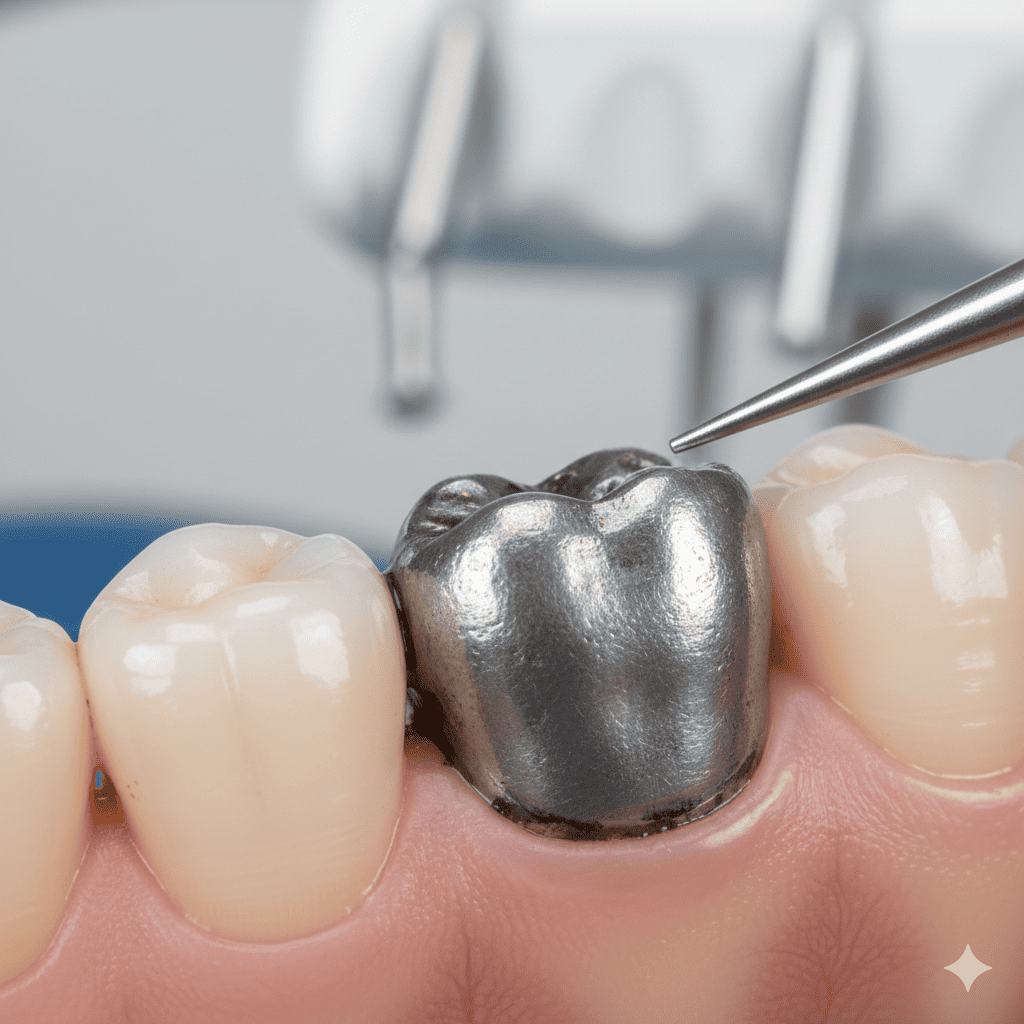
A silver-grey metallic alloy containing silver, tin, and a small amount of mercury.
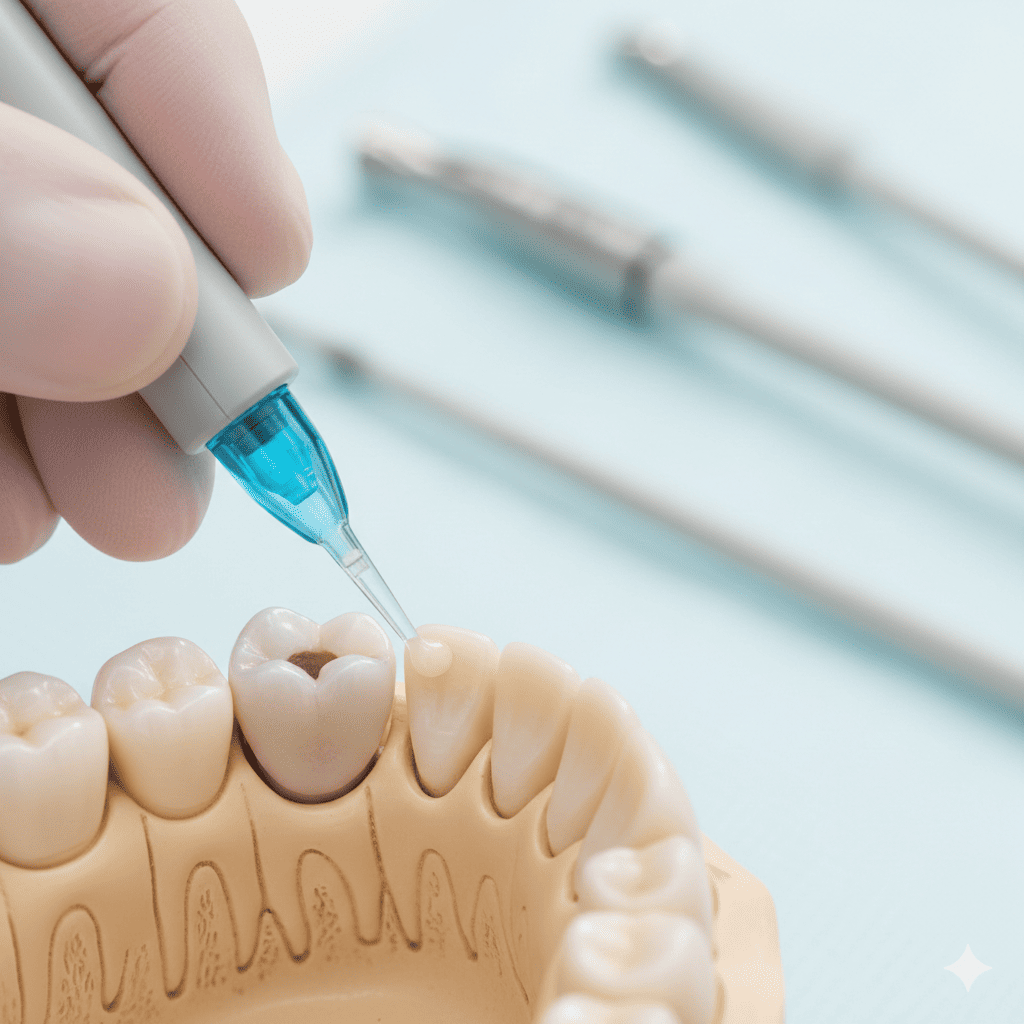
A material that releases fluoride to help strengthen the tooth.

As the saying goes, “A small hole left unplugged leads to big suffering.” If you notice tooth sensitivity, discoloration, or a failing old filling, please seek treatment early to avoid missing the golden opportunity to save your natural tooth.
Smith & Jain Dentists | Professional Dental Team in Central Located in the heart of Central, we provide a transparent, professional, and comfortable dental experience. Whether you require a standard Composite Filling or an advanced Ceramic Inlay/Onlay restoration, we offer the most suitable bespoke solutions for your smile.
Many patients have a psychological fear of fillings, often stemming from the association with “drilling sounds” or the fear of pain during treatment. In reality, with modern anesthesia techniques and minimally invasive instruments, the filling process is typically comfortable and pain-free. We break down the procedure into these six precise steps to ensure your tooth receives the perfect restoration:
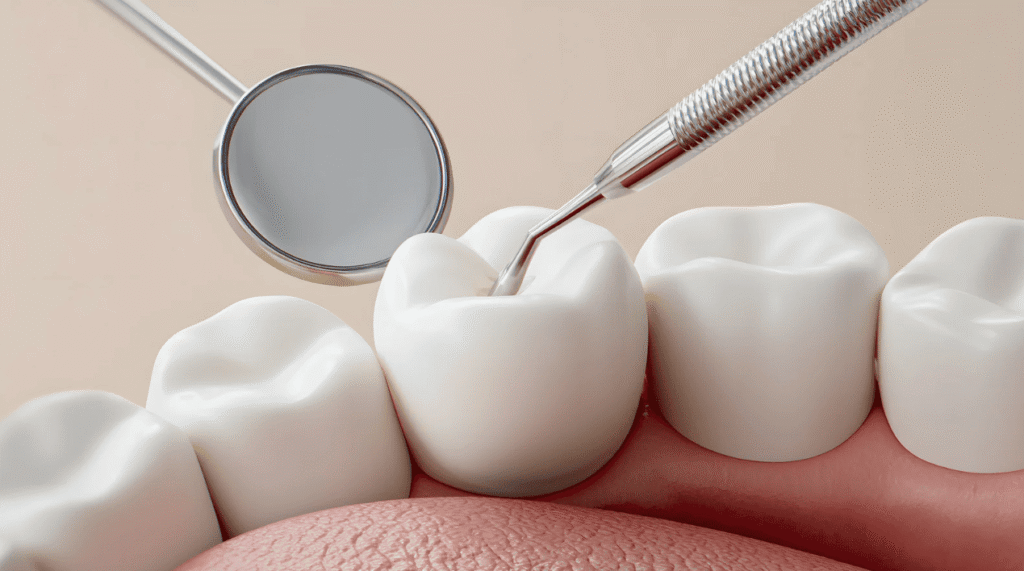
Before treatment, the dentist performs a clinical examination. For hidden decay (such as between teeth), we utilize low-radiation digital X-rays or 3D intraoral scanning to accurately determine the depth of the cavity, check if it has reached the nerve, and ensure there is enough healthy dentin to support a filling. This step is crucial for preventing post-operative sensitivity.
It is natural to fear pain. If the cavity is deep or near a sensitive nerve area, the dentist will first apply a topical numbing gel to the gums (to minimize the sensation of the needle) before administering local anesthesia. For shallow cavities where nerves are not disturbed, the process is often so minor that anesthesia may not even be required. Our goal is for you to feel zero discomfort throughout the session.
Using professional high-speed and low-speed dental handpieces (the source of the “drilling sound”), the dentist precisely removes the bacteria-infected necrotic tissue. We emphasize a “Minimally Invasive Principle”—using high-magnification loupes to remove only the necessary diseased tissue, preserving as much of your healthy, natural tooth structure as possible.
This is the most critical detail for a successful filling. Resin materials are highly sensitive to moisture; if they come into contact with saliva, the bonding strength drops significantly. We use cotton rolls or a Rubber Dam for complete isolation. The dentist then cleans the cavity with professional disinfectant to ensure a completely sterile and dry environment, preventing future “recurrent decay.”
This step tests the dentist’s aesthetic sense and technical skill:
After the filling is complete, the dentist will use articulating paper to check your bite. We repeatedly fine-tune the height and shape of the restoration until your bite feels exactly like your natural teeth. Finally, a multi-stage polishing process is performed to make the surface as smooth as a mirror, ensuring a natural feel for your tongue and preventing plaque from easily adhering.

While your tooth’s structure has been restored, the dental pulp (nerve) and surrounding tissues require an “adjustment period.” To ensure your filling is long-lasting and to minimize discomfort, please follow this detailed care guide:
If you received local anesthesia, the effects typically last for 2 to 3 hours.
It is a normal physiological response for a tooth to feel more sensitive than usual after a filling.
Although modern Composite Resin hardens instantly under the curing light, the first 24 hours are vital for long-term aesthetics and stability:
A filling does not make a tooth “immune” to future decay. In fact, the margin (where the filling meets the natural tooth) is a prime spot for bacteria to hide.
As the saying goes, “A small hole left unplugged leads to big suffering.” If you notice tooth sensitivity, discoloration, or a failing old filling, please seek treatment early to avoid missing the golden opportunity to save your natural tooth.
Smith & Jain Dentists | Professional Dental Team in Central Located in the heart of Central, we provide a transparent, professional, and comfortable dental experience. Whether you require a standard Composite Filling or an advanced Ceramic Inlay/Onlay restoration, we offer the most suitable bespoke solutions for your smile.
Tooth fillings are a “race against time.” The earlier a cavity is detected, the simpler and more affordable the treatment will be, and the more of your natural tooth structure can be preserved.
Located in the heart of Central, Smith & Jain Dentists is dedicated to providing high-quality restorative care. We utilize premium materials like 3M Composite Resin and All-Ceramic Restorations, combined with high-magnification loupes to ensure your smile is both beautiful and durable.
If you suspect you have a cavity, do not hesitate to contact us.
This depends on the material, the size of the cavity, and your oral hygiene. Generally, composite resin fillings last 5–7 years, while ceramic inlays/onlays can last 10–15 years or more.
Yes. The second trimester (months 4 to 6) is the ideal time for dental treatment. Due to hormonal changes, pregnant women are more prone to gingivitis; treating cavities promptly is safer for both the mother and the baby.
Absolutely. Maintaining excellent cleaning habits with an electric toothbrush and floss is the most effective way to prevent “secondary decay” around your new filling.
Disclaimer
All information provided on this website is for informational purposes only and is intended to help readers gain general knowledge about dental health. The content on this website should not be considered a substitute for professional dental diagnosis, advice, or treatment. If you have any dental concerns, please consult a licensed dentist for appropriate medical advice and treatment.
While we strive to ensure the accuracy and completeness of the information provided, we do not guarantee that all content is always up-to-date or applicable to individual circumstances. Smith & Jain Dentists and its affiliates are not responsible for any direct or indirect damages resulting from the use of this website’s information.
This website may include links to external websites for reference purposes only. Smith & Jain Dentists is not responsible for the content or accuracy of third-party websites.
Our expert team is here for emergency and routine care to keep your smile healthy. Call or WhatsApp us today!