
When people think about wisdom tooth removal, most care about three things: what the procedure involves, how long the pain lasts afterward, and whether there will be any complications. This guide covers the wisdom tooth removal procedure, the Hong Kong cost reference, post-operative pain duration, and complications and their prevention — equipping you to face it with confidence.
If you would first like to understand why wisdom teeth hurt or become inflamed, see: How Long Does Wisdom Tooth Pain Last? → and Wisdom Teeth Impaction and Inflammation →
Why Is Wisdom Tooth Removal Necessary?
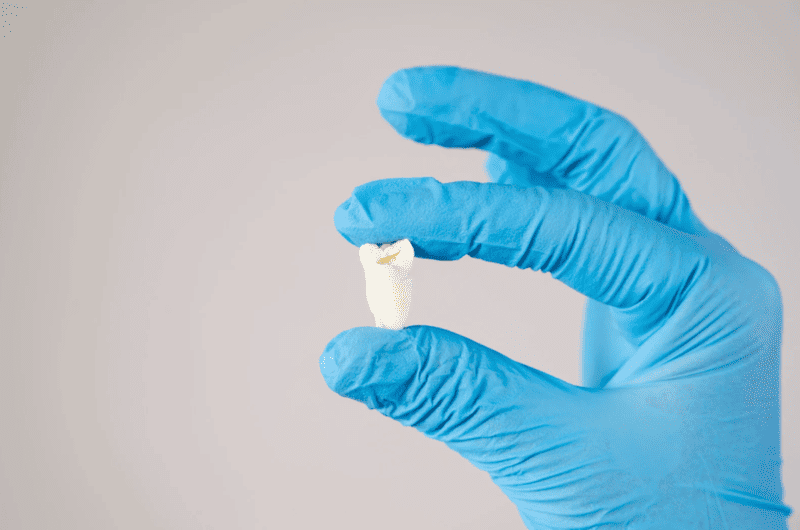
Wisdom teeth don’t always need to be removed — if they cause no pain, inflammation, or harm to neighbouring teeth, your dentist may recommend monitoring them. But when the following occur, extraction is often the more definitive option:
- Impaction or misalignment: Growing at an abnormal angle, pressing against nearby teeth or gums and triggering pain.
- Recurrent inflammation or infection: Food debris and bacteria collect under the gum flap, forming pericoronitis.
- Long-term risks: Left untreated, they may contribute to gum disease or damage to adjacent teeth.
For a more detailed explanation of the causes and symptoms of impaction and inflammation, see: Wisdom Teeth Impaction and Inflammation →

End Wisdom Teeth Removal Worries Today – We’ve Got You Covered!
At Smith & Jain Dentists, we excel in wisdom tooth removal, offering tailored care from pre-surgery assessment to post-op recovery. Curious about the procedure, how long the pain lasts, or potential complications? Our expert team in Central, Hong Kong, is here to guide you.
Why Choose Us?
- ✅ Personalized Solutions – Customized treatment for your wisdom teeth.
- ✅ Advanced Technology – Precise, comfortable procedures.
- ✅ Experienced Professionals – Trust us to ease your pain.
💡 Take the first step to a pain-free smile now!
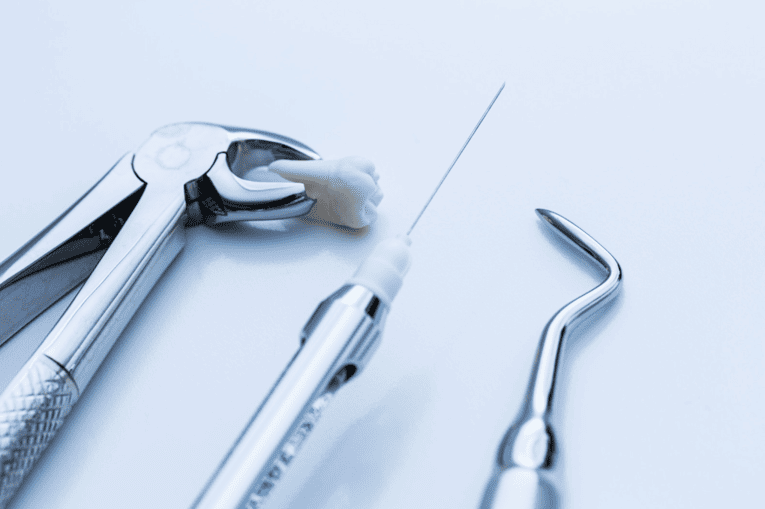
The Wisdom Tooth Removal Procedure
Wisdom tooth removal is a routine, predictable dental surgery. The general steps are:
1. Pre-Surgery Assessment
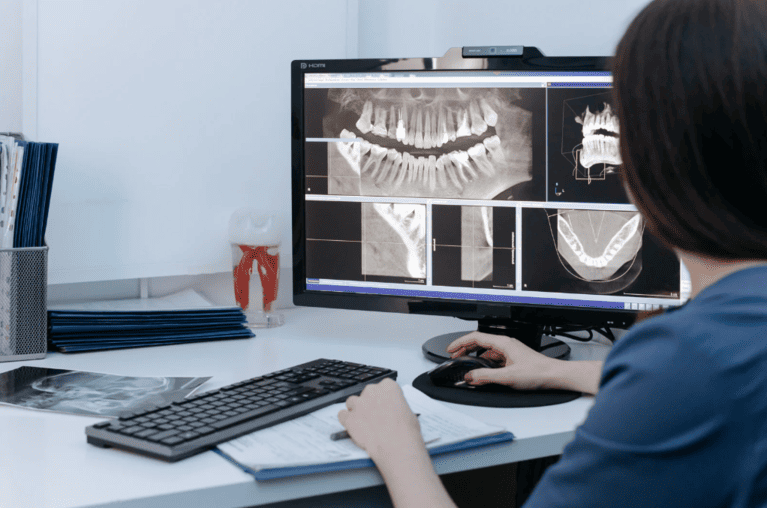
An oral exam plus X-rays or a 3D CBCT scan to assess the position, angle, and root form of the tooth and its distance from the nerve, along with a review of your overall health and any drug allergies.
2. Anaesthesia
Local anaesthesia is standard and keeps the procedure pain-free; for anxious patients or complex cases, IV sedation or general anaesthesia can be arranged.
3. Extraction
Normally positioned teeth can be loosened and removed directly; if covered by gum or bone, the gum is opened, some bone may be removed, and the tooth may be sectioned for easier removal.
4. Cleaning and Stitching
The wound is cleaned, stitched (often with dissolvable sutures), and packed with gauze to stop bleeding.
5. Post-Surgery and Suture Removal
Your dentist provides wound-care and dietary instructions, with a follow-up 7–14 days later to check healing and remove sutures if needed.
The whole process usually takes 30 minutes to 1 hour, depending on the tooth. At Smith & Jain Dentists, our Wisdom Teeth Removal Service is performed by experienced dentists who tailor the plan to each case.
Wisdom Tooth Extraction Cost: Hong Kong Reference
“How much does wisdom tooth removal cost in Hong Kong?” is the question nearly every patient asks. Because extraction is a customized oral-surgery procedure, the fee is not fixed and varies with your clinical condition and the complexity of the surgery.
Market price reference: Based on general market rates and the fee schedule of public institutions (such as Prince Philip Dental Hospital), removing a single wisdom tooth typically ranges from HK$5,000 to HK$10,000. This range is only a market overview; particularly complex cases, or those requiring referral to an Oral and Maxillofacial Surgeon, may fall outside it. These figures are for general reference only and are not the fees charged by Smith & Jain Dentists — the actual fee is based on the quote your dentist provides after a clinical assessment.
5 Key Factors Affecting the Cost of Wisdom Tooth Extraction
| Key Factor | Impact and Explanation | Cost Trend |
|---|---|---|
| 1. Tooth Position & Eruption Status | Fully erupted teeth usually require a simple extraction. Impacted or partially erupted teeth (covered by gum or bone, or growing horizontally) need a surgical extraction, greatly increasing complexity. | Simple extraction lower; surgical extraction higher. |
| 2. Case Complexity | Curved, excessively long, or multiple roots increase difficulty, as does a tooth deeply embedded in bone or adhered to surrounding tissue. | Higher complexity, higher cost. |
| 3. Proximity to Major Nerves | Lower wisdom teeth roots may sit close to the inferior alveolar nerve, requiring greater skill and longer operating time to avoid nerve damage. | Near nerves, higher cost. |
| 4. Type of Anaesthesia | Local anaesthesia is most common and lowest cost; IV sedation requires an anaesthetist; general anaesthesia (complex or highly anxious cases, usually in hospital) is the highest cost. | Local lower; IV/general higher. |
| 5. Pre-Operative Diagnostics | Accurately assessing the above may require a panoramic X-ray or 3D CBCT scan, generally included in the treatment plan. | Cases needing 3D CBCT higher. |
Want an overview of fee ranges across all kinds of dental treatments in Hong Kong? See our HK Dental Treatment Fee Reference →
Booking Your Consultation
We recommend booking a detailed consultation first. During the session, your dentist will conduct a comprehensive oral examination, take the necessary X-rays or a 3D CBCT scan to evaluate the tooth’s angle, root form, and nerve proximity, explain the difficulty of the extraction and the suggested anaesthesia, and provide a clear, transparent, all-inclusive quote — so you fully understand the procedure and cost before proceeding. Book online now →

How Long Does Pain Last After Wisdom Tooth Removal?
Post-extraction pain varies with surgical complexity and individual response:
- Days 1–3: Most patients feel mild to moderate pain or swelling — a normal part of healing.
- Days 4–7: Pain gradually eases and swelling begins to fade.
- After 1 week: Most people resume normal activities with only minor discomfort.
If pain intensifies or lasts beyond 10 days, it could signal infection or another problem — contact your dentist immediately.
Factors affecting pain: tooth position (deeply impacted or horizontal teeth involve more complex surgery and may hurt more), surgical technique (an experienced dentist minimizes tissue damage and shortens recovery), and individual response (sensitive gums or low pain tolerance may prolong discomfort). For more relief tips, see: Quick Toothache Relief Guide →
How to Manage Pain After Wisdom Tooth Removal
Immediate Relief
- Ice packs: Within the first 24 hours, apply to the cheek for 15–20 minutes at a time to reduce swelling and pain.
- Pain medication: Take over-the-counter drugs like ibuprofen or paracetamol as directed.
- Rest: Avoid strenuous activity so the body can focus on healing.
Diet and Care
- Diet adjustment: Stick to liquids or soft foods (porridge, smoothies) for 1–2 days, avoiding spicy or hard items.
- Oral hygiene: After 24 hours, rinse gently with warm salt water; avoid brushing the surgical site hard.
When to Seek Help
Contact your dentist immediately if you have severe pain lasting more than 3 days, fever or uncontrolled bleeding, or a foul odour or pus from the wound.

Are There Complications from Wisdom Tooth Removal?
Common Short-Term Complications
- Swelling and bruising: Peak at 2–3 days, subside within a week.
- Difficulty opening the mouth: Due to jaw stiffness, lasting a few days.
- Minor bleeding: Normal within the first 24 hours.
Most of these resolve on their own with time and are no cause for undue worry.
Potential Long-Term Complications
Though rare, some situations can lead to more serious issues:
- Nerve damage: If the tooth is near the lower jaw nerve, surgery may affect lip or tongue sensation (numbness or tingling), usually resolving in weeks to months.
- Dry socket: If the blood clot is dislodged and the socket exposed, it can cause intense pain and infection risk (2–5% incidence, more common in smokers or those who don’t follow post-op instructions).
- Infection: Poor post-op hygiene may inflame the wound and require antibiotics.
How to Minimize the Risks
- Choose an experienced dentist for precise, lower-complication surgery.
- Follow post-op instructions — avoid sucking actions (e.g. straws) or touching the wound, to protect the blood clot.
- Attend follow-ups 1–2 weeks after surgery to confirm normal healing.
End Wisdom Teeth Removal Worries Today – We’ve Got You Covered!
From pre-surgery assessment to post-op care, the experienced team at Smith & Jain Dentists provides personalized, professional wisdom tooth care. Wondering how the procedure works, how long the pain lasts, or whether there will be complications? Our Central, Hong Kong team is here to answer everything.
💡 Take the first step to a pain-free smile now!
Further Reading
- The pain and early symptoms of an erupting wisdom tooth: How Long Does Wisdom Tooth Pain Last? →
- The causes, symptoms and treatment of impaction and inflammation: Wisdom Teeth Impaction and Inflammation →
- Smith & Jain Wisdom Teeth Removal Service →
FAQs: Wisdom Tooth Removal
How long does wisdom tooth removal take?
Simple cases take 20–30 minutes; complex ones involving impaction may need over an hour. X-rays help predict the duration — ask your dentist.
When can I brush my teeth after surgery?
Avoid brushing for the first 24 hours. Afterward, use a soft toothbrush gently, steering clear of the site, and rinse with warm salt water (half a teaspoon per cup) 2–3 times daily.
How soon can I eat after removal?
Once the anaesthesia wears off (about 2–3 hours), eat soft foods like soup or yogurt. Avoid hard or spicy foods for 1–2 days, and resume normal eating after about a week, per your dentist’s advice.
Can I manage post-surgery pain myself?
Yes, with ice packs and prescribed painkillers. If pain worsens after 3 days or includes fever, consult your dentist to rule out problems.
Does smoking affect recovery?
Yes — smoking increases dry socket risk by dislodging the clot. Avoid it for at least 72 hours, ideally a week, for optimal healing.
Is bleeding or swelling normal after removal?
Minor bleeding within 24 hours is typical; bite on gauze for 30–60 minutes. Swelling peaks at 2–3 days and fades within a week. Seek help if bleeding persists or swelling worsens with pus.
When can I resume normal activities?
Light activities are fine after 2–3 days; most people return to work or their normal routine within a week, assuming no complications.