
Why Does Toothache Happen? 4 Common Causes
Cavities (Tooth Decay)
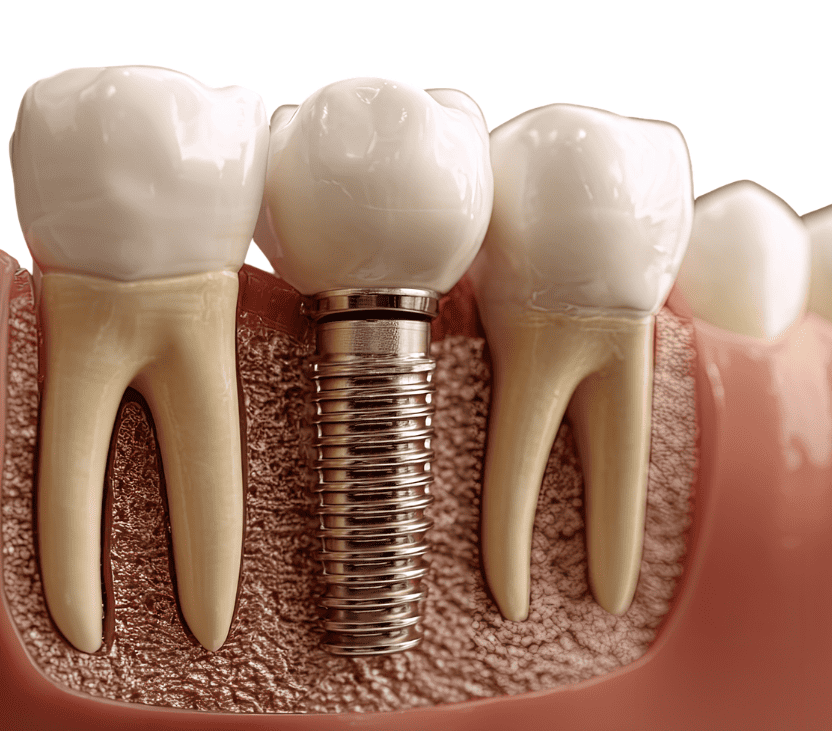
Cavities develop when bacteria in plaque break down food particles and produce acid that erodes the enamel. If left untreated, the decay can reach the dentin and even the tooth nerve, causing severe pain and possibly requiring root canal treatment to save the tooth.
Learn about the effects, process and post-operative care of the root canal treatment ->
Gum Disease (Gingivitis & Periodontitis)
Gum Disease – Plaque buildup can lead to gum inflammation, swelling, and bleeding. If the infection spreads to the deeper tissues, it can cause bone loss, loose teeth, and even tooth loss. Gum disease often starts with mild discomfort, but without treatment, it can become a serious dental issue.
Learn about the causes of gum swelling and suggested solutions ->
Wisdom Tooth Infections (Impacted Wisdom Teeth)
Wisdom teeth that do not grow properly due to lack of space can cause pain, swelling, and infection. In some cases, they push against other teeth, causing further dental problems. Recurring pain or infection is a sign that removal may be necessary.
Learn about wisdom teeth removal treatment ->
Cracked or Damaged Teeth (Chips, Fractures, Lost Fillings)
A cracked tooth, worn enamel, or a lost filling can expose the dentin, making the tooth sensitive to hot, cold, or pressure. In severe cases, a crown or root canal may be needed to restore the tooth.
Learn about dental crown and bridge treatments ->

Don’t Endure the Toothache. Get Relief Today.
If your pain has lasted over 48 hours or is accompanied by swelling, you need professional intervention. We provide emergency dental services in Central, with priority slots reserved daily to get you out of pain immediately.
Smith & Jain Dentists in Central Hong Kong | Same-Day Appointments Available:

3 Fast Toothache Relief Methods
If you suddenly experience tooth pain, try these quick remedies for temporary relief:
Cold Compress (Best for Swollen Gums & Wisdom Tooth Pain)
Wrap an ice pack in a towel and apply it to the affected area for 15 minutes. This can help reduce swelling and numb pain.
Best for: Wisdom tooth inflammation, gum infections.
Saltwater Rinse (Natural Antiseptic & Pain Relief)
Mix 1 teaspoon of salt in warm water, swish it around your mouth for 30 seconds, then spit it out. This helps kill bacteria and reduce inflammation.
Best for: Gum swelling, minor infections.
Painkillers (For Short-Term Relief)
- Paracetamol (Panadol): Suitable for mild to moderate pain.
- Ibuprofen (Nurofen): Helps with pain and swelling but should not be taken on an empty stomach.
Painkillers can help manage pain, but they do not cure the underlying cause. If your toothache lasts more than 48 hours, see a dentist.
🚨 Warning: These are only temporary relief methods. If the pain persists, professional dental treatment is necessary.
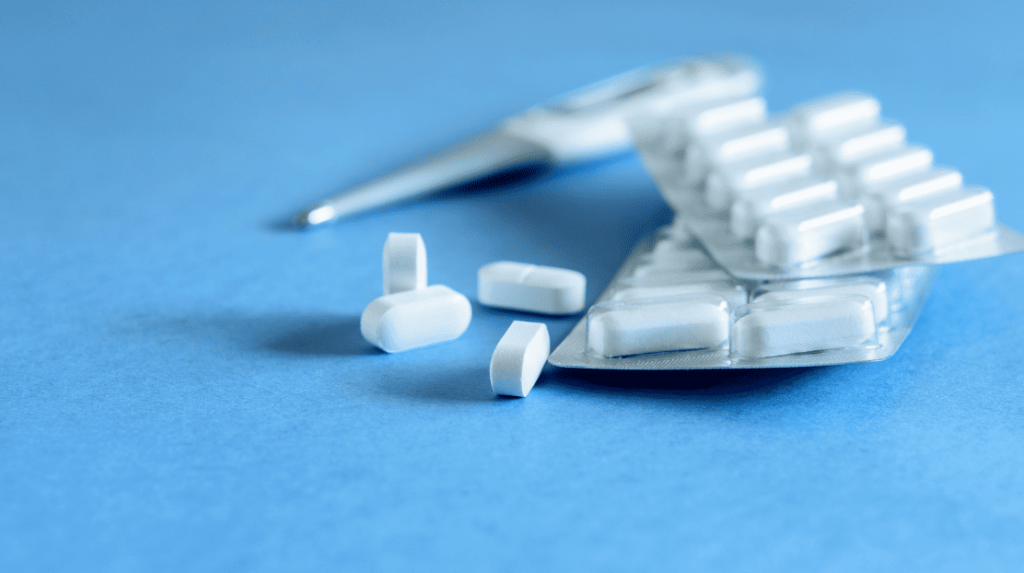
Toothache Painkillers & Anti-Inflammatory Medication
If tooth pain affects your daily life, over-the-counter pain relievers or anti-inflammatory drugs can help ease discomfort. However, always follow dosage instructions and avoid long-term use without professional advice.
Painkillers
Paracetamol (Panadol, Tylenol): Effective for mild to moderate pain and generally safe.
Ibuprofen (Nurofen, Advil): Reduces inflammation, making it suitable for gum infections and wisdom tooth pain.
Caution: If you have stomach issues or allergies, consult a doctor before taking ibuprofen, as it may cause irritation.
Anti-Inflammatory Medications
Metronidazole: Often prescribed for gum disease and dental infections (prescription required).
Amoxicillin: A commonly used antibiotic for bacterial infections, but must be prescribed by a dentist.
Caution: Do not stop taking antibiotics prematurely to prevent bacterial resistance. Always follow the prescribed course.
Important Considerations Before Taking Painkillers
When taking painkillers or anti-inflammatory medications for toothache, keep the following precautions in mind to avoid reduced effectiveness or potential side effects:
Avoid Taking Them with Alcohol, Dairy Products, or Highly Acidic Drinks
Some antibiotics (e.g., amoxicillin) may have reduced absorption when taken with dairy products, while alcohol can intensify side effects.
Complete the Full Course of Antibiotics
If your doctor prescribes anti-inflammatory medication (such as amoxicillin or metronidazole), ensure you complete the full course as directed. Stopping too soon may lead to antibiotic resistance, making future infections harder to treat.
Consider Your Medical History
Individuals with chronic conditions such as high blood pressure, stomach ulcers, or kidney disease should consult a doctor before taking painkillers. For example, ibuprofen may affect kidney function or worsen stomach issues.
Avoid Long-Term Dependence on Painkillers
Painkillers provide only temporary relief and may mask underlying dental problems. If toothache persists for more than 48 hours, seek professional dental care as soon as possible.
Allergy Precautions for Medications
Before taking pain relievers or antibiotics, it is important to check for any drug allergies to avoid severe allergic reactions. Common examples include:
- Penicillin Allergy: Found in medications such as Amoxicillin and Amoxicillin/Clavulanic Acid (Augmentin). Symptoms may include skin rashes, swelling, difficulty breathing, and, in severe cases, anaphylactic shock.
- NSAID (Non-Steroidal Anti-Inflammatory Drug) Allergy: Includes Ibuprofen and Aspirin. Some individuals may experience skin rashes, asthma symptoms, or gastrointestinal discomfort.
If you have a known allergy to any medication, inform your dentist beforehand and avoid self-medicating. If you develop symptoms such as rashes, swelling, breathing difficulties, or other unusual reactions after taking a medication, seek medical attention immediately.
*Please refer to the Hong Kong Department of Health’s Tips on Taking Painkillers ->
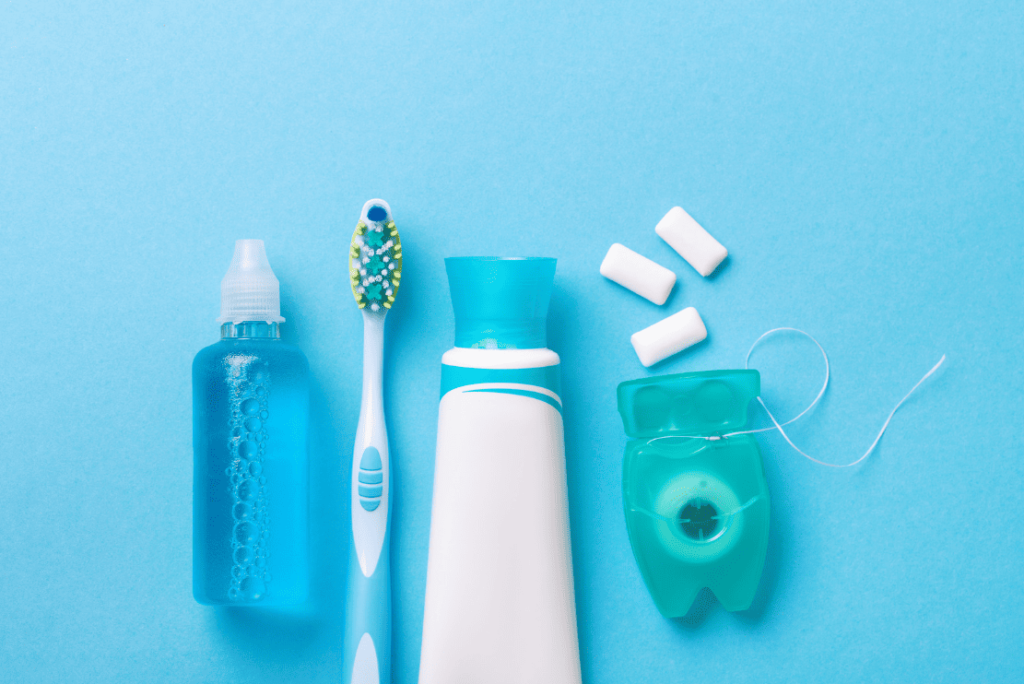
How to Prevent Toothache? 4 Essential Oral Care Tips
Brush & Floss Daily (Prevent Cavities)
- Brush twice a day for at least 2 minutes
- Use fluoride toothpaste to strengthen enamel
- Floss daily to remove food debris and plaque buildup
Limit Sugary & Acidic Foods (Reduce Cavity Risk)
- Avoid sugary snacks, sodas, and sticky foods that can promote tooth decay
- Drink water or unsweetened tea instead of sugary drinks
Get Regular Dental Checkups & Cleanings (Prevent Gum Disease)
- Visit your dentist every 6 months for a checkup and professional cleaning
- Remove plaque buildup early to prevent cavities and gum disease
Learn about professional teeth cleaning services ->
Use Fluoride Toothpaste (Strengthen Enamel)
- Choose a fluoride toothpaste with at least 1350ppm fluoride to help prevent cavities
Frequently Asked Questions About Toothache
I have a toothache but can’t visit a dentist immediately. How can I relieve the pain quickly?
You can try cold compresses, saltwater rinses, or take an appropriate dose of painkillers (such as ibuprofen or paracetamol). Avoid consuming foods that are excessively hot, cold, or sugary.
Can I still brush my teeth if I have a toothache?
Yes, maintaining oral hygiene is essential even when experiencing pain. However, avoid brushing too forcefully to prevent further irritation. Use a soft-bristled toothbrush with lukewarm water and consider a mild mouthwash for gentle cleansing.
Why does my whole face feel uncomfortable when I have a toothache?
The nerves in your teeth are connected to your facial nerves. If you have pulp inflammation or a gum infection, the pain may radiate to your jawbone, ears, or temples, and could even cause headaches.
Why does my toothache feel worse at night?
Lying down increases blood flow to the head, which can put more pressure on the affected tooth, intensifying the pain. Try elevating your head with a pillow to reduce discomfort.
Does an inflamed wisdom tooth always need to be removed?
If your wisdom tooth is repeatedly inflamed, affecting nearby teeth, or causing misalignment, extraction is recommended. If the inflammation is mild, you can first try saltwater rinses and anti-inflammatory medication for relief, then consult a dentist for further evaluation.