What Is Root Canal Treatment? Tooth Anatomy Explained
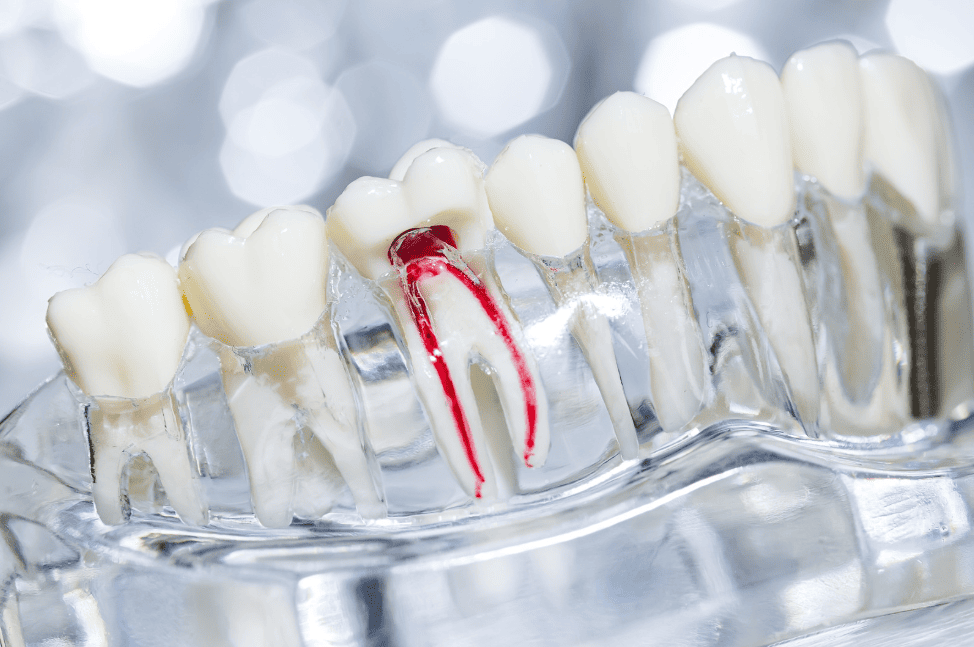
To understand root canal treatment, you first need to understand the structure of a tooth. A tooth is not a solid block — it’s a precision-engineered organ made up of three layers:
| Layer | Name | Function |
|---|---|---|
| Outer | Enamel | The hardest protective layer |
| Middle | Dentin | Main supporting structure |
| Core | Pulp Chamber | Nerves, blood vessels, lymphatic tissue |
The pulp chamber is the “life centre” of the tooth — containing nerves, blood vessels, and immune cells. This is why your teeth can sense temperature when drinking hot soup or cold water.
Root canal treatment is the precise dental procedure performed when pulp tissue becomes irreversibly damaged by infection or trauma. The dentist removes the infected pulp, thoroughly disinfects the entire root canal system, and permanently seals it with biocompatible material — preserving the tooth’s structure and function.
👉 [Learn more: Root Canal Treatment Services]
Why Does Pulp Become Inflamed? Causes of Pulpitis
Common causes of pulp inflammation (Pulpitis) include:
Cause 1: Deep Tooth Decay
The most common cause. When tooth decay is left untreated, bacteria progressively erode the enamel and dentin, eventually breaking through into the pulp chamber. This process typically takes 6 months to 2 years, which is why regular check-ups are critical.
Cause 2: Tooth Trauma
Falls, collisions, or chewing hard objects (crab shells, bones, nuts) can crack or fracture a tooth, allowing bacteria to enter the pulp through the fracture line.
Cause 3: Repeated Dental Treatment
If the same tooth has undergone multiple fillings or crown procedures, each treatment causes mild trauma to the pulp, which can accumulate and lead to chronic pulpitis.
Cause 4: Severe Gum Disease
When periodontal pockets become very deep, bacteria can infect the pulp retrograde through the root tip — known as “retrograde pulpitis”.
Cause 5: Severe Tooth Wear
Chronic teeth grinding (bruxism) can wear through the enamel, exposing dentin and eventually affecting the pulp.
Why Does Pulp Inflammation Hurt So Much?
When bacteria invade the pulp, the tissue becomes inflamed and swollen. But because the tooth’s outer layer is rigid enamel and dentin, the swollen tissue has nowhere to release pressure, and the nerve becomes severely compressed — this is the fundamental mechanism of severe toothache.
Critical fact: Once the pulp is irreversibly infected, it cannot heal on its own like skin. The only treatment options are:
- ✅ Root canal treatment (preserves natural tooth)
- ❌ Tooth extraction (loses natural tooth)
Root Canal vs Extraction: Why Saving Your Natural Tooth Matters
Many patients ask: “If it stops hurting, can I just leave it?” The answer: No.
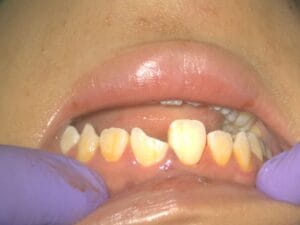
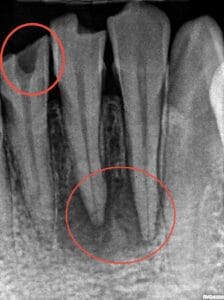
When pulp dies completely, the toothache may temporarily disappear, but bacteria continue to multiply within the root canal, shifting the battleground from the nerve to the surrounding jawbone. This can lead to:
- Irreversible bone loss
- Facial cellulitis (a serious soft tissue infection)
- Dental cyst formation
- Severe cases: Infection spreading to the jaw or neck, causing sepsis risk
Root Canal vs Extraction Comparison
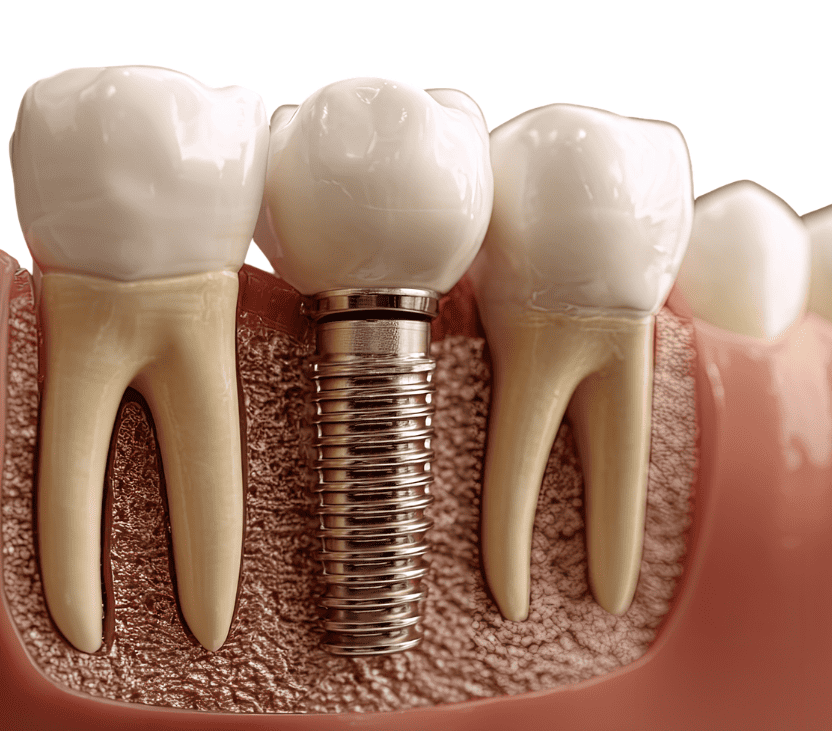
| Comparison | Root Canal + Crown | Extraction + Implant |
|---|---|---|
| Preserves natural tooth | ✅ Yes | ❌ No |
| Number of visits | 2 to 3 | 3 to 6 (including implant surgery) |
| Total cost | Moderate | High (approximately 2 to 4 times) |
| Treatment timeline | 2 to 4 weeks | 3 to 6 months (including osseointegration) |
| Impact on adjacent teeth | Minimal | Adjacent teeth may shift |
| Chewing sensation | Close to natural | Good but not fully natural |
| 10-year success rate | 85 to 95% | 95%+ |
Conclusion: When a tooth can be saved through root canal treatment, virtually all dentists recommend choosing root canal over extraction. Implants are an alternative when the tooth cannot be saved, not the first choice.
👉 [Further reading: Dental Implant Pricing & Process]
5 Warning Signs You Need a Root Canal
If you experience any of the following symptoms, bacteria has likely already invaded the nerve. Seek dental care immediately:
Sign 1: Spontaneous Pain (Especially at Night)
This is not ordinary tooth sensitivity. Characteristics include:
- Pain occurs without any trigger (no eating required)
- Persistent throbbing or “pulling” sensation
- Difficult to identify the exact tooth affected
- Over-the-counter painkillers offer limited relief
Why is it worse at night? When you lie down to sleep, blood circulation pressure in your head increases, further raising the pressure in the inflamed pulp chamber. This causes many patients to “find it impossible to sleep” or “wake up in pain“.
Sign 2: Extreme Sensitivity to Hot/Cold (Lingering Pain)
Many teeth experience sensitivity, but root canal-grade sensitivity has one distinctive feature: “prolonged after-pain”.
How to differentiate:
| Normal Tooth Sensitivity | Pulpitis Sensitivity |
|---|---|
| Brief, immediate pain on contact | Pain persists over 10 seconds after contact |
| Stops as soon as stimulus removed | Pain continues for minutes after stimulus removed |
| Usually mild ache | Severe and difficult to endure |
If you drink cold water or hot soup and the pain persists for more than 10 seconds (or even minutes) after removing the cup, your tooth’s nerve has entered an irreversible inflammatory state.
Sign 3: Weakness or Pain When Biting
When infection spreads from inside the pulp to the bone and ligament around the root tip, it triggers apical periodontitis (inflammation around the root tip).
Typical sensations:
- The affected tooth feels “raised” or “taller”
- Gentle biting or tapping triggers weakness and pain
- In severe cases, even tongue contact causes discomfort
- Sharp pain when chewing food
Sign 4: Gum Swelling or Dental Abscess
You may notice a pimple-like bump on the gum near the affected tooth (medically called a “sinus tract / fistula“).
This is a drainage channel formed when pus from the infected root tip seeks an escape route by perforating the bone and gum tissue.
⚠️ Important warning: A dental abscess may rupture spontaneously, releasing pus (the mouth may taste salty or foul). The pain may temporarily subside. But this is NOT healing — it is simply pressure release, while the infection continues to destroy bone.
👉 [Further reading: Swollen Gums Treatment Guide]
Sign 5: Tooth Discolouration
If you notice a single tooth gradually turning grey, yellow-brown, or even dark brown, this typically indicates the internal pulp nerve has died. Decomposed blood vessel byproducts have seeped into the dentin, causing discolouration.
This phenomenon is usually painless, but it is a clear sign of a dead pulp — painless but still requires immediate treatment.
🚨 Take Action Now
If you experience any of these warning signs, see a dentist within 48 hours. Smith & Jain Dentists offers same-day emergency dental appointments for patients with acute tooth pain.
[Emergency Call: (852) 2526 2383]
The Complete Root Canal Procedure (Step-by-Step)
Root canal treatment is a precise but routine dental procedure. A full course typically requires 2 to 3 visits, each lasting 60 to 90 minutes. The exact number depends on tooth complexity:
- Front teeth (incisors): Usually a single canal, completed in 1 to 2 visits
- Premolars: 1 to 2 canals, completed in 2 visits
- Molars: 3 to 4 canals, completed in 2 to 3 visits
Step 1: Initial Examination & Diagnosis (30 minutes)
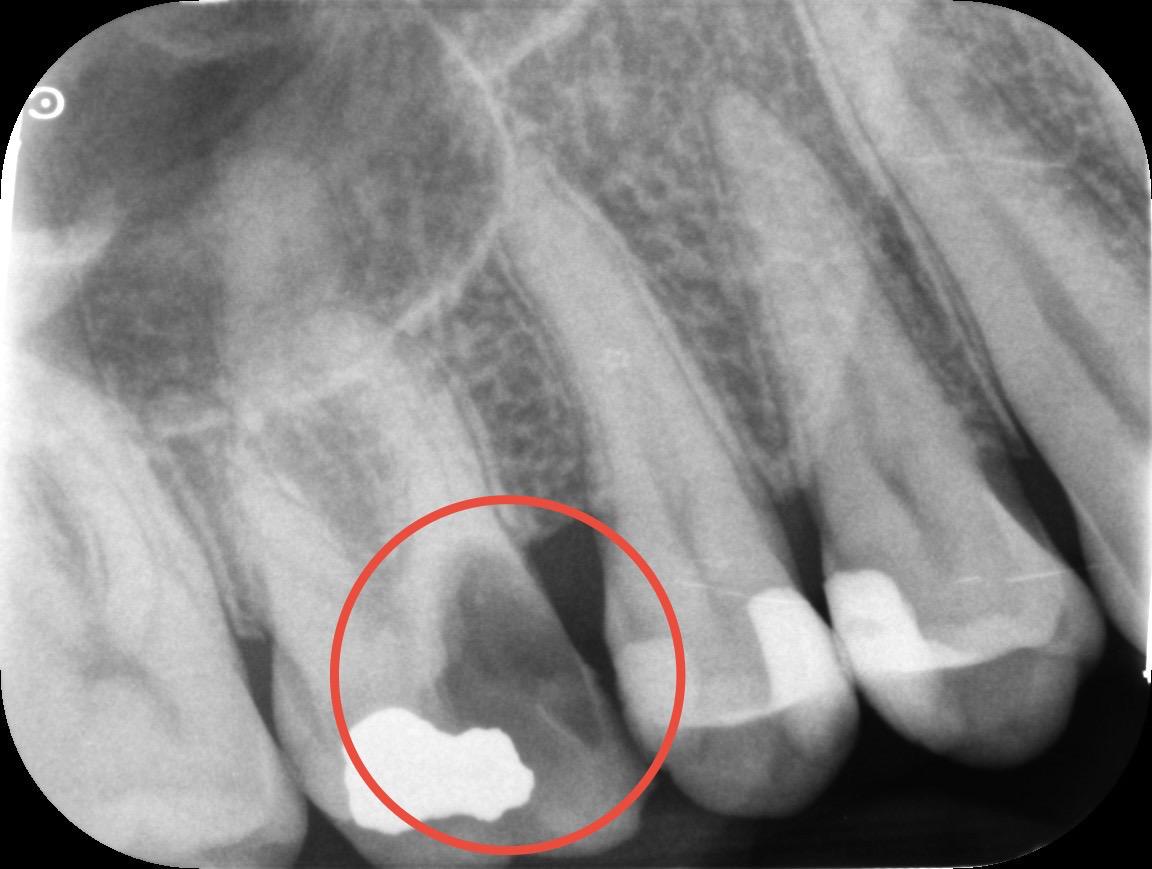
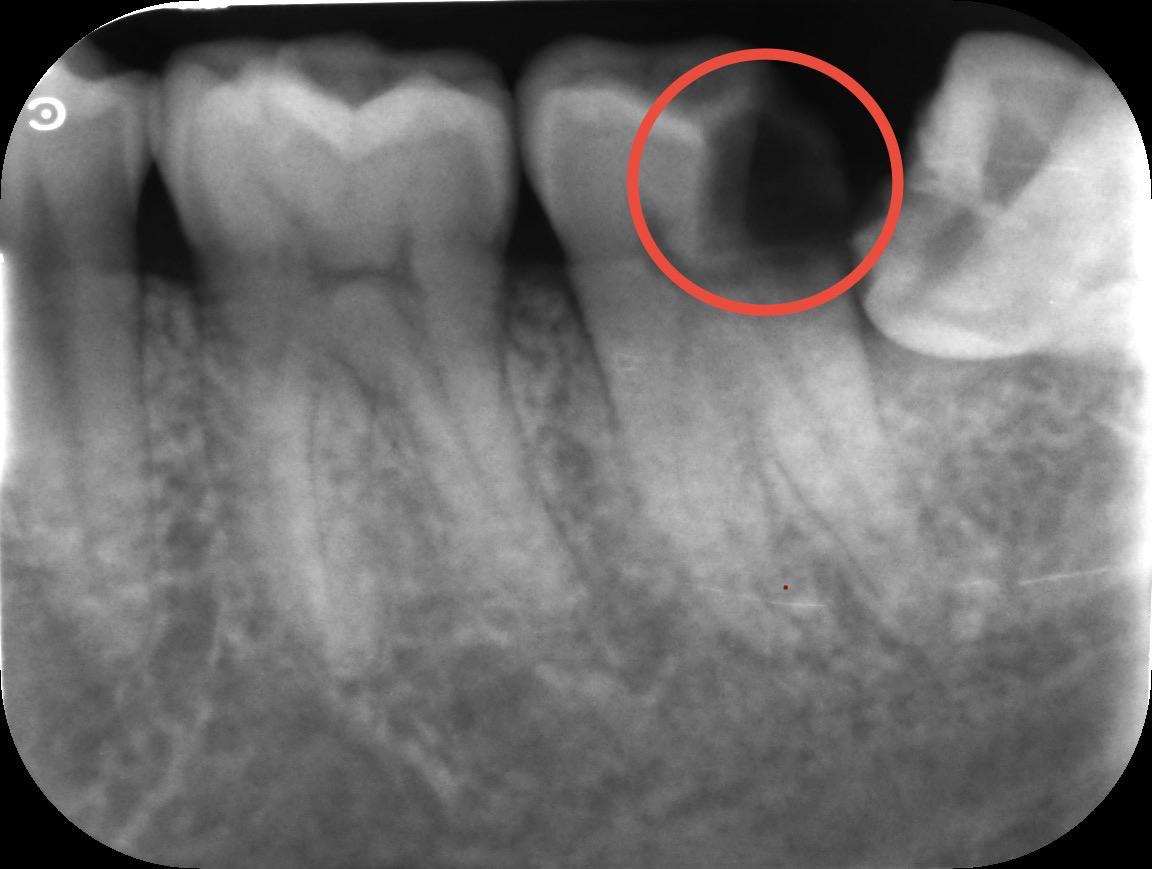
- Clinical examination and digital X-ray
- CBCT (Cone Beam Computed Tomography) for 3D imaging when needed
- Pulp vitality testing (cold test, electric test) to confirm pulp status
- Detailed discussion of treatment plan and expected outcomes
Step 2: Local Anaesthesia
- Injection of local anaesthetic (typically Lidocaine with adrenaline)
- The procedure is essentially painless — modern anaesthesia is highly effective
- Once anaesthesia takes effect, the entire treatment is performed without pain
Step 3: Rubber Dam Isolation
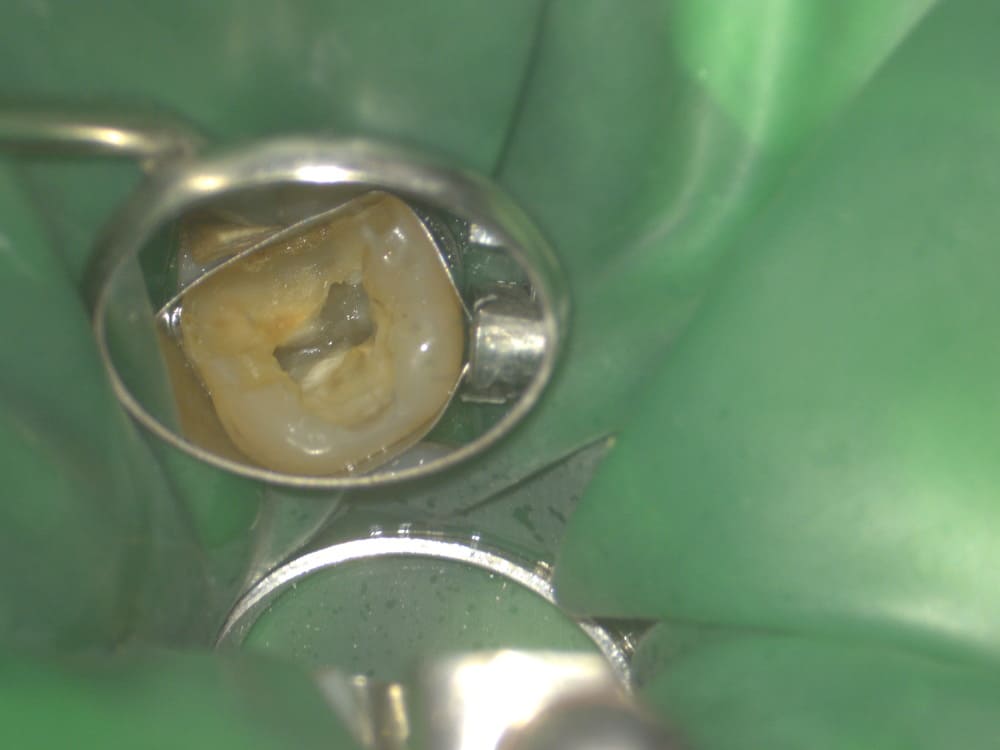
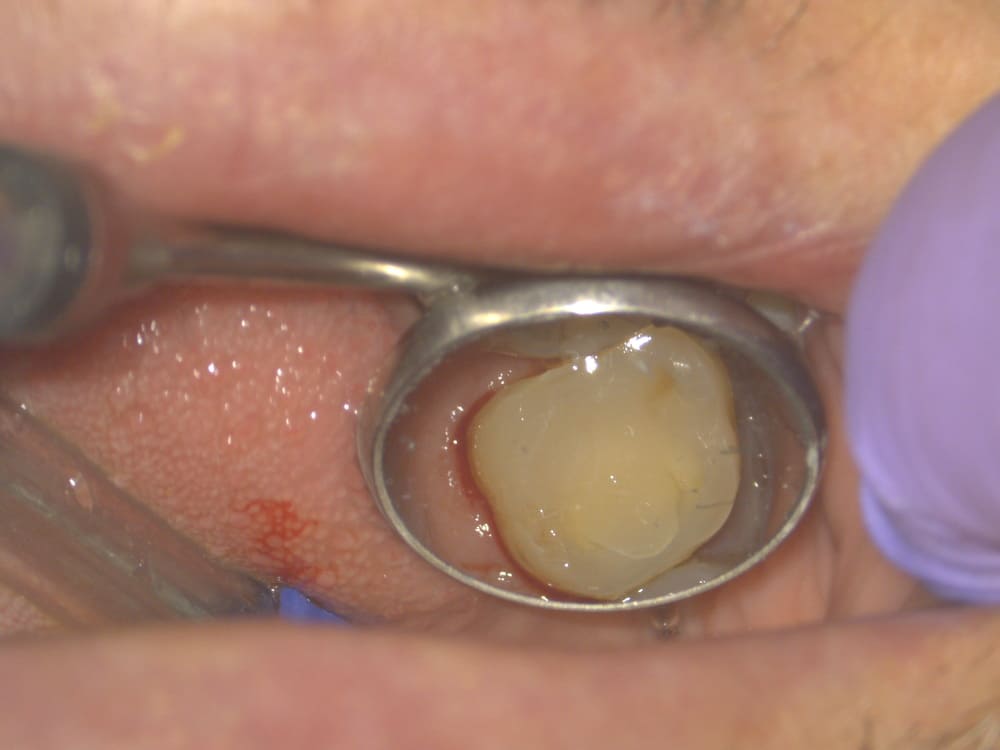
- A rubber dam is placed around the treated tooth
- Purpose: Isolates saliva, prevents accidental swallowing of instruments, maintains a sterile working field
- This is the modern standard of care for root canal treatment and significantly improves success rates
Step 4: Access Opening & Removal of Infected Pulp
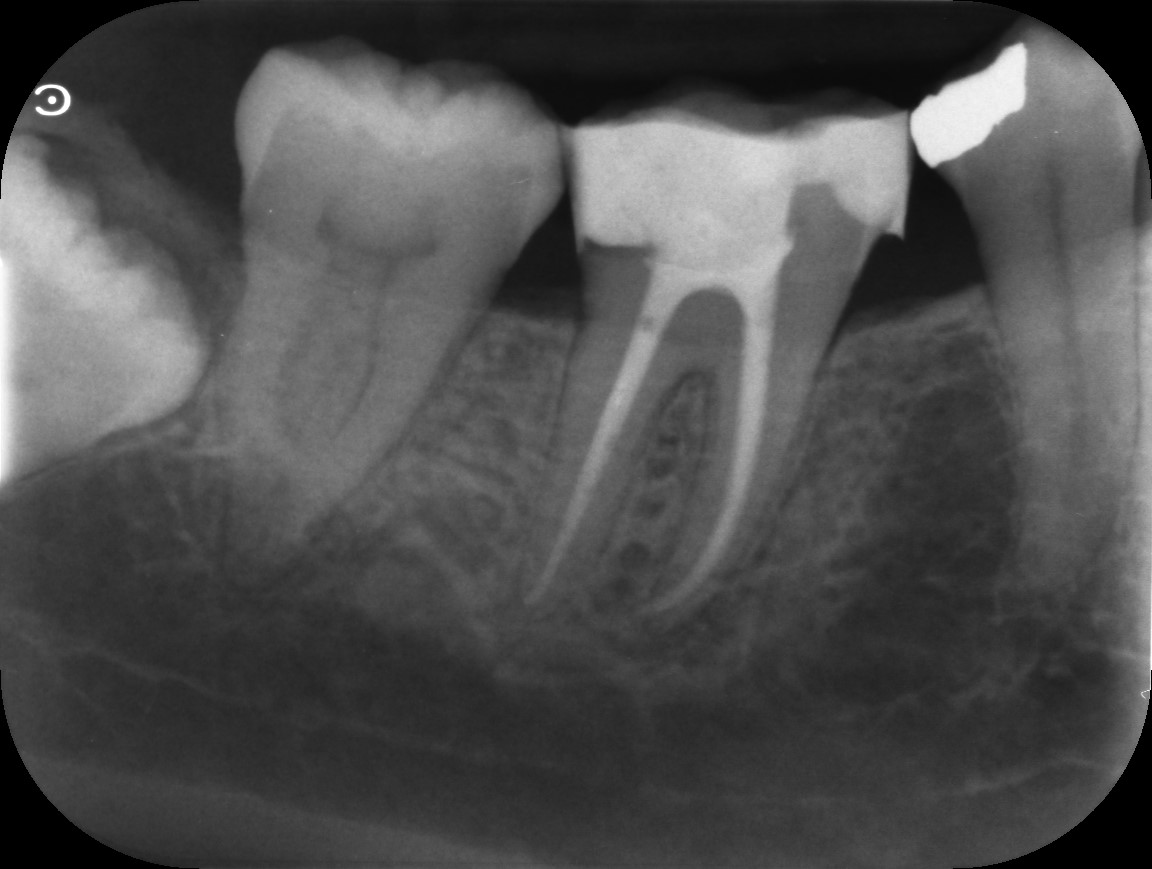
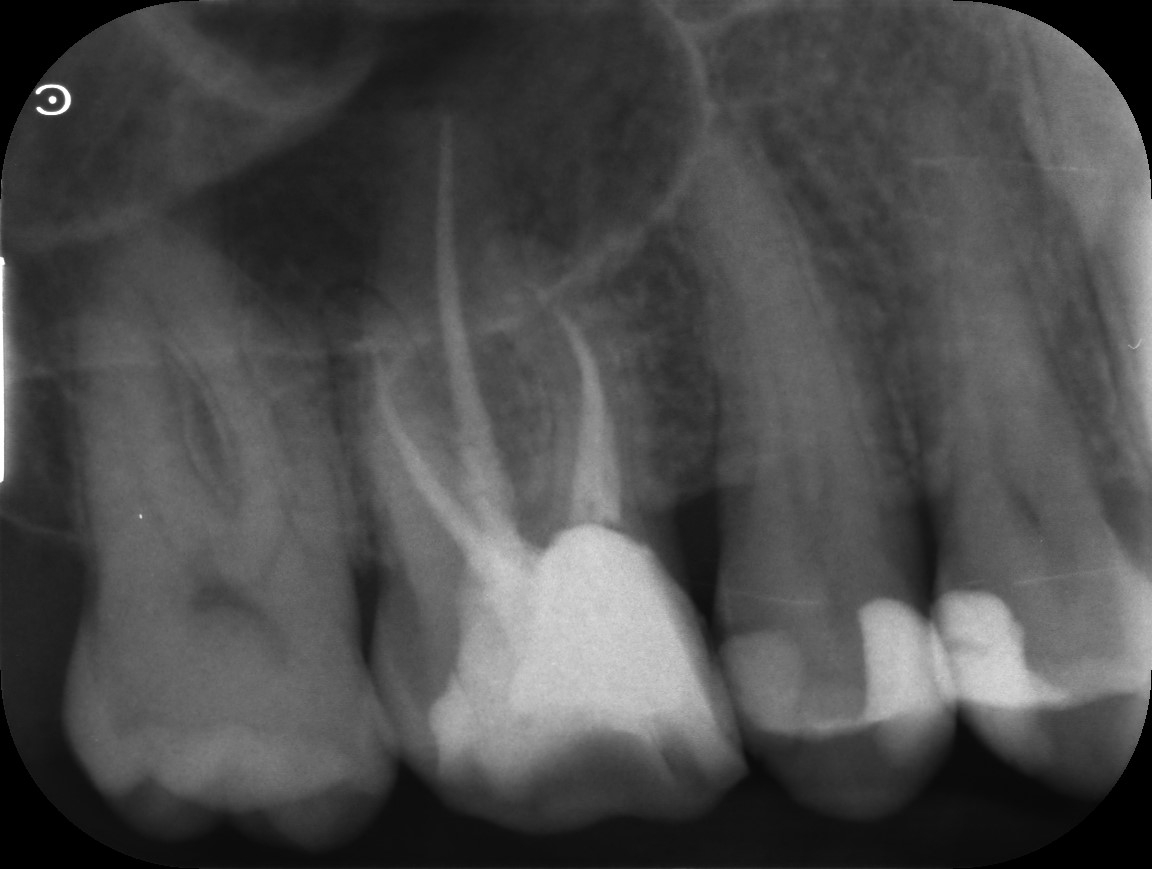
- A small access cavity is created on the tooth crown to reach the pulp chamber
- Precision instruments (manual or motorised nickel-titanium files) remove infected pulp tissue
- Modern clinics typically use dental microscopes (4x to 25x magnification) to ensure all micro-canals are properly treated
Step 5: Root Canal Cleaning & Disinfection
- Sodium hypochlorite (NaOCl) and EDTA solutions flush the canals
- Thorough removal of bacteria, toxins, and necrotic tissue
- Calcium hydroxide medication may be placed inside the canals for several days to weeks for additional disinfection
Step 6: Root Canal Filling
- Once the canals are completely cleaned and dried
- Biocompatible gutta-percha combined with sealer fills the root canals
- The entire root canal system is completely sealed to prevent reinfection
Step 7: Crown Restoration (Critically Important)
A root canal-treated tooth loses approximately 50% of its structural strength. A protective crown must be placed within 3 to 6 months, otherwise the tooth may fracture under chewing pressure.
Crown options:
- All-ceramic crown (most aesthetic, first choice for front teeth)
- Zirconia crown (high strength, first choice for molars)
- Metal alloy crown (durable but less aesthetic)
👉 [Learn more: Dental Crowns & Bridges]
👉 [Root Canal Crowns: Why Are Crowns Needed Post-Treatment?]
Does Root Canal Hurt? Anaesthesia & Pain Management
This is the question patients ask most. The facts:
During Treatment
Under effective local anaesthesia, root canal treatment is essentially painless. Patients typically experience only:
- Mild vibration
- Sound of dental instruments
- Occasional pressure sensation
If you feel any pain during treatment, raise your hand immediately — your dentist can administer additional anaesthesia.
After Treatment
Within 24 to 72 hours post-treatment, you may experience:
| Symptom | Severity | Action |
|---|---|---|
| Mild sensitivity or soreness | Normal | Paracetamol or NSAIDs |
| Mild discomfort when biting | Normal | Avoid chewing on that side |
| Mild gum swelling | Normal | Cold compress on the face |
| Severe pain | ⚠️ Not normal | Contact dentist immediately |
| Significant facial swelling | ⚠️ Not normal | Return within 24 hours |
Why Do Some People Think Root Canals Are “Very Painful”?
This misconception comes from:
- The tooth was already in severe pain before treatment (pulpitis itself is extremely painful)
- Outdated treatment techniques — Root canal methods and anaesthesia before the 1990s were indeed simpler
- Severe acute infection cases — Local anaesthesia effectiveness may be reduced during severe acute infection
- Post-treatment sensitivity is misremembered — Patients remember discomfort during the days after, but the actual treatment pain has been significantly reduced
Modern root canal treatment with professional anaesthesia and microscopy provides comfort levels that far exceed most patients’ expectations.
Sedation Options
For extremely anxious patients or those with dental phobia, Smith & Jain Dentists offers:
- Nitrous oxide sedation (laughing gas) — Mild sedation, leave immediately after treatment
👉 [Learn more: Sedation Dentistry Services]
Post-Treatment Aftercare
Proper aftercare directly affects treatment success rates.
Day of Treatment (0 to 24 hours)
- ✅ Avoid eating until the anaesthesia wears off (approximately 2 to 4 hours) to prevent biting your lips or tongue
- ✅ Drink warm water once anaesthesia subsides
- ✅ Soft foods (porridge, soup, purées) acceptable after 4 to 6 hours
- ❌ Avoid chewing on the treated side
- ❌ Avoid alcohol and smoking
- ❌ Avoid strenuous exercise
Days 1 to 3 Post-Treatment
- ✅ Gentle cleaning with a soft-bristled brush, including the treated tooth
- ✅ If temporary fillings are in place, avoid chewing hard food on that tooth
- ✅ Take prescribed painkillers (paracetamol or NSAIDs as directed)
- ✅ If antibiotics are prescribed, complete the full course
- ❌ Avoid sticky foods (chocolate, chewing gum) — may dislodge temporary fillings
- ❌ Avoid extreme hot or cold foods
Within 1 Week Post-Treatment
- ✅ Attend follow-up appointment as scheduled
- ✅ Continue regular cleaning — brush twice daily and floss
- ✅ Contact the clinic immediately if you experience severe pain, swelling, or fever
Long-Term Care (Must Be Completed Within 3 to 6 Months)
🚨 The most important step: Place a permanent crown within 3 to 6 months.
- A root canal-treated tooth has lost its blood supply, significantly reducing structural strength
- After pulp death, the dentin gradually becomes brittle
- Without crown protection, the tooth has up to 50% fracture risk within 5 years
- Once fractured below the gum line, the previous root canal work may be wasted, ultimately requiring extraction
This is the most common cause of root canal treatment failure — not a technical issue, but patient non-compliance with crown restoration.
Factors That Affect Root Canal Cost
We provide transparent treatment plans and quotes during consultation. Patients can understand the main factors that influence root canal pricing:
5 Key Cost Factors
1. Tooth Position and Number of Canals
Front teeth (1 canal) < Premolars (1 to 2 canals) < Molars (3 to 4 canals)
2. Case Complexity
- First-time treatment vs Retreatment
- Curvature of root canals
- Presence of calcification or previous filling materials
3. Use of Microscopy
Complex cases require microscope precision
4. Restoration Plan
- Filling only vs Inlay vs All-ceramic crown vs Zirconia crown
- Crown material choice directly affects total cost
5. Additional Treatments Required
- Apicoectomy (root tip surgery)
- CBCT 3D imaging
- Periodontal treatment
Hong Kong Dental Treatment Fee Reference
We provide a transparent Hong Kong Dental Treatment Fee Reference page, listing market reference ranges based on Prince Philip Dental Hospital (PPDH) fee schedules, helping patients understand approximate cost structures.
⚠️ Important: Actual costs depend on clinical evaluation. We encourage patients to undergo examination and consultation first to receive an accurate quote based on individual circumstances, rather than making decisions based on incomplete information.
Frequently Asked Questions
How long does a root canal-treated tooth last?
According to statistics, teeth that have undergone root canal treatment and crown restoration have a 10-year retention rate of 85 to 95%. With good oral hygiene and regular check-ups, the tooth can serve you for decades.
Will my tooth hurt after root canal treatment?
Mild sensitivity or soreness within 3 to 7 days post-treatment is normal. If the pain is severe, persists beyond 1 week, or is accompanied by facial swelling, the infection may not have been completely cleared, or the crown may have been delayed — contact your dentist immediately.
Can root canal treatment be completed in one visit?
Simple cases (front teeth, single canal) may be completed in a single visit, known as “Single-Visit Root Canal Treatment”. However, most cases are divided into 2 to 3 visits to allow root canal medications adequate time to exert antibacterial action, improving long-term success rates.
Can I skip the crown after root canal treatment?
Strongly not recommended. Without crown protection, root canal-treated teeth have up to 50% fracture risk within 5 years. Front teeth, which bear less chewing force, may sometimes use high-strength inlays. However, molars must have crowns.
What if my root canal treatment fails?
If infection persists or recurs after root canal treatment, there are 2 options:
1. Retreatment — Reopen the tooth, re-clean and re-fill
2. Apicoectomy — Surgical access through the gum to directly remove infection at the root tip
Both have success rates of 70 to 90%. If neither option is feasible, extraction is the final consideration.
Is root canal infection contagious?
No. Root canal treatment addresses an infection that already exists in your own tooth — bacteria do not transmit to other teeth. However, untreated severe infections may spread to surrounding tissues (bone, face), making timely treatment essential.
Can I have a root canal during pregnancy?
Yes, and early treatment is recommended. Untreated pulp infections pose greater health risks to pregnant women.
-The second trimester (weeks 13 to 27) is the ideal treatment window
-Local anaesthesia is safe when needed (Lidocaine is Category B safe)
-X-rays can be taken (with lead apron protection)
–Avoid Ibuprofen and other NSAIDs — use Paracetamol for pain management
Can I whiten my teeth after root canal treatment?
Yes, with special considerations:
-Teeth may discolour after root canal treatment (yellow-brown or grey)
-External whitening has limited effectiveness
-Consider “Internal Bleaching” — Whitening agent placed inside the access cavity to brighten the non-vital tooth
-Or proceed directly with crown or porcelain veneer
References
- American Association of Endodontists, AAE — Endodontic Treatment Standards https://www.aae.org/specialty/clinical-resources/
- American Association of Endodontists (AAE) — Root Canal Treatment https://www.aae.org/patients/root-canal-treatment/
- Oral Health Promotion Division – Department of Health HK https://www.toothclub.gov.hk/en/en_index.html