
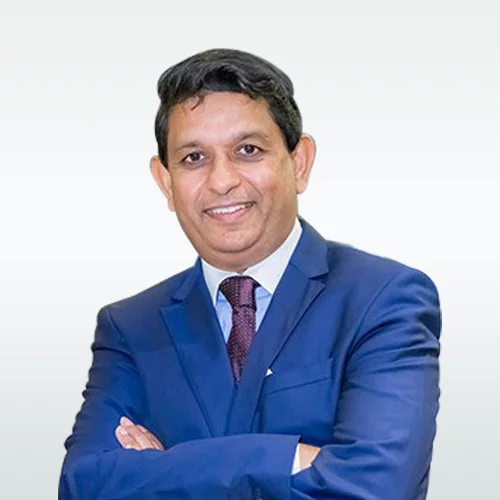
32 Yrs Dentistry
Dr. Sandeep Jain
Director / General Dentist
Dental Implants, Bone Grafting, All on 4, Cosmetic Dentistry, Veneers, Dentures
We provide comprehensive dental implant services led by three experienced dentists and two oral surgeons with advanced surgical training. Our team is equipped to perform all types of implant procedures — from single and multiple implants to complex treatments such as bone grafting, sinus lifts, All-on-4 full-arch restorations, and implant options for patients with limited bone.
Book an appointment for a consultation and detailed quote to regain chewing function and quality of life!
We boast an experienced dental implant team, including Dr. Sandeep Jain (32 years of experience), Dr. Chong Mei Man (22 years of experience), Dr. Lau Ka Yee (19 years of experience), Dr. Li Tik Shun (16 years of experience), and Dr. Duncan Scorgie (19 years of experience). With decades of expertise, we provide safe and effective implant services to every patient, helping you regain a natural smile.
Director / General Dentist
Dental Implants, Bone Grafting, All on 4, Cosmetic Dentistry, Veneers, Dentures

General Dentist
Cosmetic Dentistry, Smile Design, Veneers, Full Mouth Implants

General Dentist
Dental Implants, Crowns, Veneers, Dentures, Invisalign, Kids Dentist, Teeth Whitening

Specialist in Oral and Maxillofacial Surgery
Dental Implants, Bone Grafting, Full Mouth Implants, All on 4, Sinus Lift, TMJ, Jaw Pain

Specialist in Oral and Maxillofacial Surgery
Dental Implants, Bone Grafting, Full Mouth Implants, All on 4, Sinus Lift, TMJ, Jaw Pain
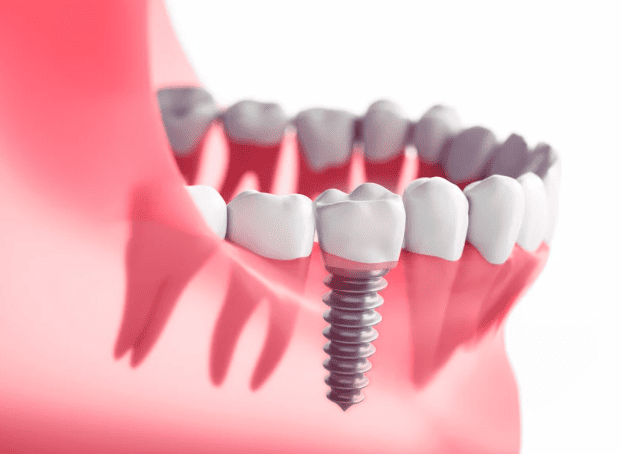
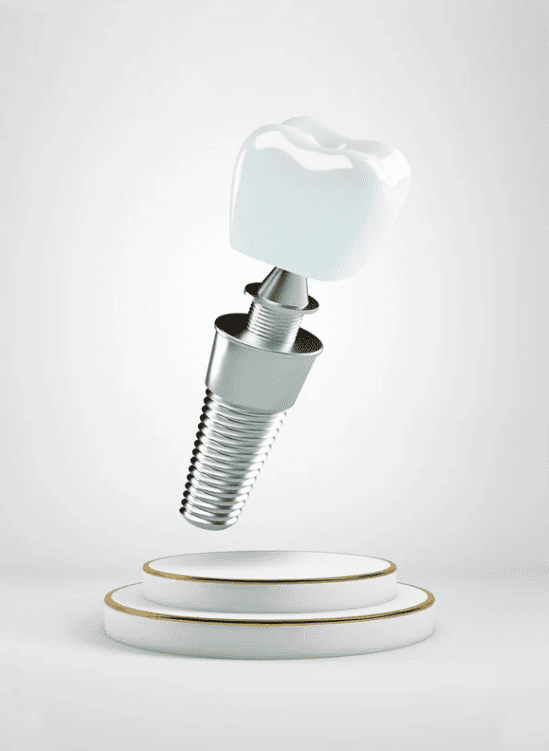
Dental implants (tooth implants) are the preferred solution for replacing missing teeth, particularly for patients seeking long-term oral health. The procedure involves surgically implanting a titanium implant (artificial tooth root) into the jawbone, which fuses with the bone over time to create a stable foundation to support a custom ceramic crown. This method not only restores chewing function but also enhances overall appearance, offering a superior alternative to dentures or bridges.
Dental implants are renowned for their lightweight, durable, and biocompatible properties, ensuring long-term stability and aesthetics.
Learn more Dental Implant: Complete Guide to Implant Costs, Procedure and Potential Risks ->
The cost of dental implants in Hong Kong varies depending on your individual oral condition. Key influencing factors include the number of teeth being replaced, the complexity of the surgical procedure, and the health of the patient’s jawbone. As dental implantation is a highly precise and customized treatment, every patient’s treatment plan and final investment are unique.
The cost varies significantly between single-tooth implants, multiple-tooth bridges, or full-arch rehabilitations (such as the All-on-4 solution) due to differences in surgical complexity and material requirements.
If there is insufficient bone volume, a bone graft (bone augmentation) may be necessary to provide a stable foundation and ensure the long-term success of the implant.
Preliminary treatments, such as periodontal (gum) disease management, tooth extractions, or sinus lift surgery, may influence the overall treatment investment.
We invite you to schedule an initial dental implant assessment with our clinical team. During the consultation, our dentists may perform a 3D CT Scan to comprehensively evaluate your jawbone structure and gum health. Based on these findings, we will provide a detailed treatment recommendation and an accurate quotation—ensuring you can make an informed decision after understanding all available options and associated costs.
Dental implants, compared to dentures or bridges, offer a superior and highly successful alternative, with a success rate of up to 95%, providing patients with numerous significant advantages. Below are the key benefits of dental implants:
Dental implants are custom-made to individual needs, seamlessly matching natural teeth and securely fixed to prevent slipping or shifting. This natural look and stability boost confidence, allowing you to showcase a charming smile in everyday social settings or formal meetings without worrying about appearance issues.
Firmly implanted dental implants effectively address the speech issues caused by dentures, while restoring normal chewing function, enabling you to enjoy a variety of foods, from soft desserts to hard textures, without discomfort or restrictions.
With proper daily care and regular dental check-ups, dental implants can last a lifetime, far outlasting bridges (5-15 years) and dentures (5-10 years). The titanium material used offers exceptional stability and biocompatibility, making it a trustworthy long-term investment.
Dental implants stimulate the jawbone, preventing up to 25% bone density loss within the first year after tooth loss, effectively maintaining facial structure and avoiding sagging or an aged appearance.
Unlike bridges, dental implants do not require grinding or affecting adjacent healthy teeth, reducing the risk of future cavities or periodontal diseases, and helping to maintain long-term oral health.
Dental implants require no adhesives or daily removal, designed to feel like natural teeth, making them ideal for individuals with busy lifestyles, offering a comfortable experience without additional maintenance.


We only utilize globally recognized top-tier implant systems to ensure quality and stability:
Choosing high-quality implants ensures greater stability and durability for your dental implants, enhancing your oral health and chewing function.
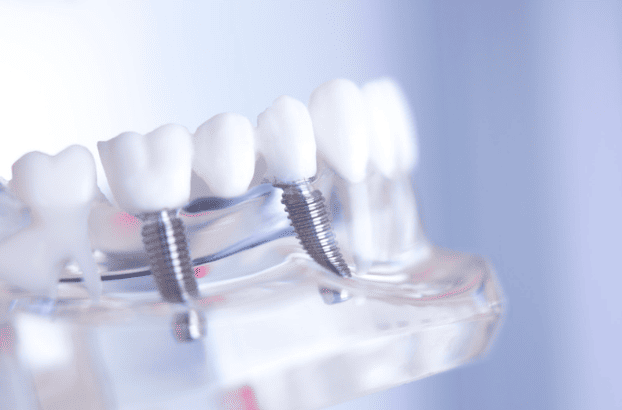
For patients with multiple or all teeth missing in the upper or lower jaw, All-on-4 full-mouth implants offer an efficient and cost-effective solution. This technique requires only 4–6 implants to support a full set of dentures, restoring chewing function and aesthetics, with completion possible in as little as one day.
Our dental implant procedure is dedicated to combining precision technology with patient comfort, typically involving 3-4 professional visits, with a total duration of 2-3 months. Thanks to advanced equipment and minimally invasive methods, each surgical recovery period requires only 1-2 days. Below is the detailed process, ensuring safety and efficiency at every stage to help you restore oral health.
The procedure begins with the application of a local anesthetic gel, followed by a precise injection of anesthetic to ensure a pain-free surgery. Based on your needs and anxiety level, we offer mild sedation or general anesthesia options, allowing you to stay relaxed throughout, especially suitable for first-time implant patients.
A small incision is gently made to separate the gums, exposing the underlying jawbone to prepare for implant placement. Using high-precision surgical tools, we minimize tissue damage to promote rapid healing.
Utilizing professional drilling instruments guided by 3D CBCT scan data, we precisely shape the jawbone to ensure a perfect fit for the implant. This customized step enhances stability and reduces post-surgical risks.
A medical-grade, high-quality titanium implant screw is placed into the designated position, initiating integration with the bone. Using Straumann or Nobel Biocare brands ensures biocompatibility and long-term durability.
The gums are professionally sutured, with the implant top sealed with a cover screw to protect the healing process. Absorbable sutures are used to reduce discomfort from removal, with swelling significantly reduced within 1-2 days post-surgery.
If jawbone conditions permit, we employ a flapless minimally invasive technique, avoiding traditional incisions and suturing, significantly reducing post-surgical pain and recovery time, making it ideal for sensitive patients.
If your jawbone thickness is insufficient, we offer Swiss BIO-OSS bone grafting material, a safe and biocompatible synthetic bone powder that promotes bone regeneration and enhances implant stability. Prior to the procedure, we assess bone volume with 3D scanning to ensure a 95% or higher implant success rate.
Proper post-surgical care is key to maintaining the health and functionality of the implant. The following comprehensive care recommendations will help you enjoy the benefits of dental implants long-term, prevent potential complications, and extend their lifespan.
Brush your teeth twice daily, using a soft-bristled toothbrush to gently clean around the implant, and pair it with antibacterial floss or a water flosser to thoroughly remove plaque. Pay special attention to the junction between the implant and gums to avoid bacterial buildup that could cause inflammation. It is recommended to use fluoride toothpaste to enhance tooth resistance to decay.
Visit the clinic every 6 months to 1 year for a comprehensive check-up. Dentists will use X-rays or 3D scans to assess the stability of the implant and gum health, promptly identifying potential risks (such as loosening or infection) to ensure a 95% long-term success rate.
For the first 6 months after surgery, avoid biting hard objects (such as ice or nuts) or using your front teeth to tear food (such as corn) to prevent excessive pressure on the implant. Opt for soft foods (like steamed eggs or porridge) as a transition, gradually resuming normal eating habits to protect the stability of the titanium implant.
Contact us to schedule your Dental Implants consultation. Let us help you achieve the perfect smile with our professional services.
We understand your concerns about the dental implant procedure. Below are detailed answers to common patient questions, helping you fully understand the dental implant process, costs, and post-care.
In Hong Kong, the cost of dental implants varies depending on factors such as implant brand, dentist’s experience, bone quality, and the complexity of the procedure. Generally, each dental implant costs between HK$17,600 and HK$35,000. If bone grafting or full-mouth reconstruction (such as All-on-4 implants) is required, the total fee will be higher. A detailed dental examination and personalized treatment plan are recommended before receiving an accurate quotation.
High-quality dental implants can last 10 to 20 years or more with proper care. International studies show that implant success rates exceed 95%, and leading brands such as Straumann and Nobel Biocare demonstrate particularly stable long-term performance. Maintaining good oral hygiene, regular scaling, and routine dental check-ups can significantly extend the lifespan of your implants.
A standard dental implant procedure takes 2-3 months, involving 3-4 visits, including implantation, healing (6-12 weeks), and crown placement. All-on-4 can achieve temporary denture installation within a day, with the exact duration depending on jawbone conditions and treatment complexity.
Dental implants are considered a very safe and reliable procedure, with relatively low risks. However, in rare cases, complications such as infection, gum inflammation, or implant loosening may occur. When performed by an experienced dentist and followed by proper post-operative care and hygiene, these risks can be minimized. Choosing a well-equipped clinic with strict surgical protocols is key to ensuring treatment safety.
The main drawbacks of dental implants are the longer treatment duration (typically 3 to 6 months) and the higher cost compared to other tooth replacement options. Additionally, patients with insufficient jawbone density may require supplementary procedures such as bone grafting, which can increase both treatment time and expense. However, compared with traditional dentures or bridges, implants offer superior stability, comfort, and aesthetics—making them a more cost-effective long-term solution.
Not necessarily! For multiple or full-mouth tooth loss, the All-on-4 implant technique requires only 4-6 strategically placed implants to securely support a full set of custom dentures. This innovative method reduces the number of implants, lowering dental implant costs, while ensuring chewing function and aesthetics, making it especially suitable for complex cases.
Thanks to modern medical technology, dental implant surgery is virtually painless. We use a local anesthetic gel and injection anesthesia, offering mild sedation or general anesthesia based on your needs, with most patients experiencing only mild discomfort. Post-surgery swelling may occur for 1-2 days, which can be relieved with ice packs and pain medication, with a recovery period far shorter than traditional surgery.
No need to worry if your jawbone thickness is insufficient! We offer Swiss BIO-OSS bone grafting material, a safe and biocompatible solution that promotes bone regeneration and enhances implant stability. During the consultation, we will assess your bone volume with 3D scanning to ensure a successful procedure.
Yes, but the care is simple and manageable! Brush twice daily, use antibacterial floss or a water flosser to clean around the implant, and have a professional dental check-up every 6 months. Avoid biting hard objects (such as nuts or ice) to protect the implant, and maintain healthy habits (such as quitting smoking or controlling blood sugar) to ensure long-term results.
All-on-4 implants are designed for full-mouth restoration, requiring only 4-6 implants to support a full set of teeth, making it more cost-effective than the traditional method of one implant per missing tooth. The recovery period is short (1-2 days), and it eliminates the need for multiple visits.
Generally, dental implants are suitable for adults over 18 with fully developed bones, though age itself is not a limiting factor. Elderly patients or those with chronic conditions (such as diabetes) require a professional assessment to ensure their health is suitable. During the consultation, we will provide recommendations based on your specific condition.